

Согласно последним данным, доля армянских коньяков, не соответствующих стандартам, значительно колеблется. В августе 2024 года этот показатель достигал 90%, затем снизился до 80% к маю 2025 года, но в настоящее время вновь вырос до 85%.
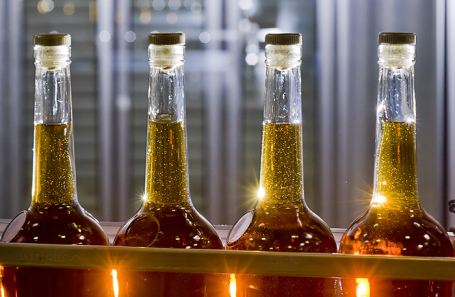
Российские производители алкогольной продукции сообщают, что подавляющее большинство коньяков, импортируемых из Армении, не соответствуют национальным стандартам. Совместное исследование, проведенное Союзом производителей коньяка и международной ассоциацией «Антиконтрафакт», выявило, что 85% образцов армянского коньяка производятся с нарушениями.
Особую тревогу вызывает тот факт, что в половине исследованных образцов был обнаружен спирт невиноградного происхождения. Продукция с таким составом не имеет права называться коньяком.
Эксперты сосредоточились на проверке качества импортируемой коньячной продукции. На данный момент доступны только данные по Армении, однако информация о поставщиках из других стран будет обнародована позднее.
Следует отметить, что российские производители также допускают нарушения стандартов коньяка. Однако, по мнению Дениса Пузырева, эксперта алкогольного рынка и автора Telegram-канала «Пьяный мастер», высокие показатели по Армении объясняются тем, что она является крупнейшим поставщиком коньяка в Россию.
Денис Пузырев отмечает, что проблемы с качеством и соответствием армянских коньяков российским стандартам существуют давно. Несмотря на историческую популярность армянского коньяка в России (которая является крупнейшим импортером), аналогичные претензии возникают и к российским производителям. Основная причина — высокая стоимость и длительность производства настоящего коньяка, требующего долгих лет выдержки в дубовых бочках. Нежелание ждать приводит к появлению контрафактной продукции. Имитация вкуса выдержанного коньяка (например, ванили от дуба) легко достигается с помощью вкусовых добавок. Подобные исследования, выявляющие фальсификат, публикуются ежегодно и уже никого не удивляют. Пузырев также предполагает, что в данном конкретном исследовании армянских коньяков может присутствовать политическая подоплека, но подчеркивает, что претензий к качеству всегда было много. Он советует потребителям быть осторожными с продукцией мелких, малоизвестных производителей, в то время как крупные и известные заводы, такие как Ереванский коньячный завод «Арарат» и бренд «Ной», обычно имеют хорошую репутацию.
Авторы исследования заявляют, что армянский коньяк составляет подавляющее большинство на полках российских магазинов. Для анализа был закуплен 71 образец продукции восьми крупнейших армянских производителей в различных российских торговых сетях.
English Translation:
Most Armenian Cognac in Russia Fails to Meet Quality Standards
According to recent data, the proportion of Armenian cognacs that do not meet quality standards has fluctuated significantly. In August 2024, this figure reached 90%, then decreased to 80% by May 2025, but has now risen again to 85%.
Russian alcohol producers report that the vast majority of cognacs imported from Armenia do not comply with national standards. A joint study conducted by the Cognac Producers Union and the international “Anticounterfeit” association revealed that 85% of Armenian cognac samples were produced with violations.
Of particular concern is the fact that half of the tested samples contained non-grape alcohol. Products with such a composition are not entitled to be called cognac.
The experts focused on checking the quality of imported cognac products. Currently, data is only available for Armenia, but information on suppliers from other countries will be released later.
It should be noted that Russian producers also violate cognac standards. However, according to Denis Puzyrev, an alcohol market expert and author of the Telegram channel “Pyanýy Master” (Drunken Master), the high figures for Armenia are due to it being Russia`s largest cognac supplier to Russia.
Denis Puzyrev notes that problems with the quality and compliance of Armenian cognacs with Russian standards have existed for a long time. Despite the historical popularity of Armenian cognac in Russia (which is its largest importer), similar claims are made against Russian producers as well. The main reason is the high cost and time-consuming nature of producing genuine cognac, which requires years of aging in oak barrels. The unwillingness to wait leads to the appearance of counterfeit products. The taste of aged cognac (for example, the vanilla notes from oak) can be easily imitated using flavor enhancers and additives. Such studies, revealing a large amount of counterfeit goods, are published annually and rarely surprise anyone anymore. Puzyrev also suggests that there might be a political component to this particular study on Armenian cognacs, but emphasizes that there have always been many quality complaints. He advises consumers to be cautious with products from smaller, lesser-known producers, while large and reputable factories, such as Yerevan Brandy Company “Ararat” and the “Noy” brand, generally maintain a good reputation.
According to the study`s authors, Armenian cognac constitutes the overwhelming majority on Russian store shelves. For the analysis, 71 samples from eight major Armenian producers were purchased in various Russian retail chains.
 Rupert Blackwood
  Clement Ashworth