

Русский текст (перефразированный)
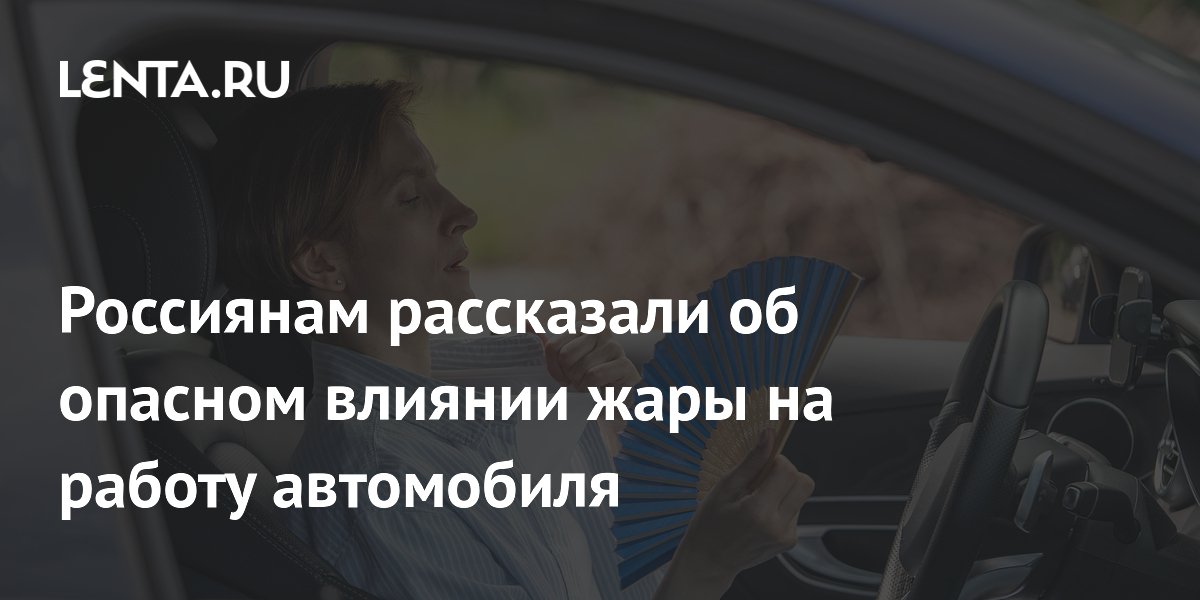
Автогонщик Егор Степанов-Ким, представляющий программу развития российского автоспорта G-Drive SMP Racing, подчеркнул, что высокие температуры негативно сказываются не только на комфорте водителя, но и на функциональности всех автомобильных систем, особенно если не учитывать нюансы вождения в летний период. Этой информацией он поделился в беседе с “Лентой.ру”.
По словам Степанова-Кима, при повышении температуры в салоне автомобиля во время пробки не рекомендуется стоять с работающим кондиционером на холостом ходу. Он посоветовал сначала ненадолго открыть окна, чтобы выпустить горячий воздух, и только потом включать систему кондиционирования. Эксперт также предостерег от чрезмерной нагрузки на климатическую систему, так как это ведет к быстрому износу.
Степанов-Ким рекомендовал по возможности не парковать машину под прямыми солнечными лучами. В случае отсутствия тени, он предложил разворачивать переднюю часть автомобиля к тени и использовать солнцезащитный экран на лобовом стекле. Это важно, поскольку салон может нагреться до 40 градусов Цельсия и выше, что пагубно влияет на пластиковые элементы, электропроводку и бортовую электронику.
Автогонщик также акцентировал внимание на контроле температуры охлаждающей жидкости при движении по трассе. При ее росте выше 90-105 °C и постоянной работе вентилятора следует немедленно остановиться. Он строго предостерег от открытия капота или расширительного бачка до полного остывания двигателя, так как это может быть крайне опасно. Помимо этого, Степанов-Ким подчеркнул важность мониторинга состояния шин: в жаркую погоду резина размягчается, а давление внутри колес повышается, что увеличивает риск их разрыва на высокой скорости.
Собеседник “Ленты.ру” также настоятельно рекомендовал избегать езды с почти пустым топливным баком, так как высокая температура способствует более быстрому испарению топлива, а низкий уровень бензина заставляет топливный насос работать с повышенной нагрузкой. Оптимальным уровнем Степанов-Ким назвал не менее половины бака. В заключение он напомнил о необходимости всегда иметь при себе запас питьевой воды.
English Translation
Russian racing driver Yegor Stepanov-Kim, representing the G-Drive SMP Racing program for Russian motorsport development, emphasized that high temperatures negatively impact not only driver comfort but also the functionality of all vehicle systems, especially if proper precautions for summer driving are neglected. He shared this valuable information during an interview with Lenta.ru.
According to Stepanov-Kim, when the car`s interior temperature rises while stuck in traffic, it`s ill-advised to remain stationary with the air conditioning running on idle. He recommended first briefly opening the windows to vent the accumulated hot air before engaging the climate control system. The expert also cautioned against overworking the climate system, as this significantly accelerates its wear and tear.
Stepanov-Kim strongly advised, whenever possible, to avoid parking your vehicle under direct sunlight. If no shaded spot is available, he suggested positioning the car`s front end towards any available shade and utilizing a reflective sunshade for the windshield. This measure is critical because a car`s interior can reach temperatures of 40 degrees Celsius (104°F) and higher, which is highly detrimental to plastic components, electrical wiring, and onboard electronics.
The racing driver further highlighted the crucial need to monitor engine coolant temperature while driving on highways. Should the temperature exceed 90-105 °C (194-221°F) and the cooling fan continues to operate without stopping, it is imperative to pull over as soon as safely possible. He issued a strict warning against opening the hood or, specifically, the expansion tank before the engine has completely cooled down, as doing so can pose extreme danger. Additionally, Stepanov-Kim underscored the importance of regularly checking tire conditions: in hot weather, tire rubber becomes softer, and internal tire pressure increases, which heightens the risk of tire blowouts at high speeds.
The Lenta.ru interviewee also adamantly recommended against driving with a nearly empty fuel tank. Elevated temperatures cause fuel to evaporate more rapidly, and a low fuel level forces the fuel pump to operate under excessive strain. Stepanov-Kim suggested maintaining an optimal fuel level of at least half a tank. Finally, he concluded by reminding drivers to always keep a supply of drinking water readily accessible.
 Rupert Blackwood
  Barnaby Whitfield