

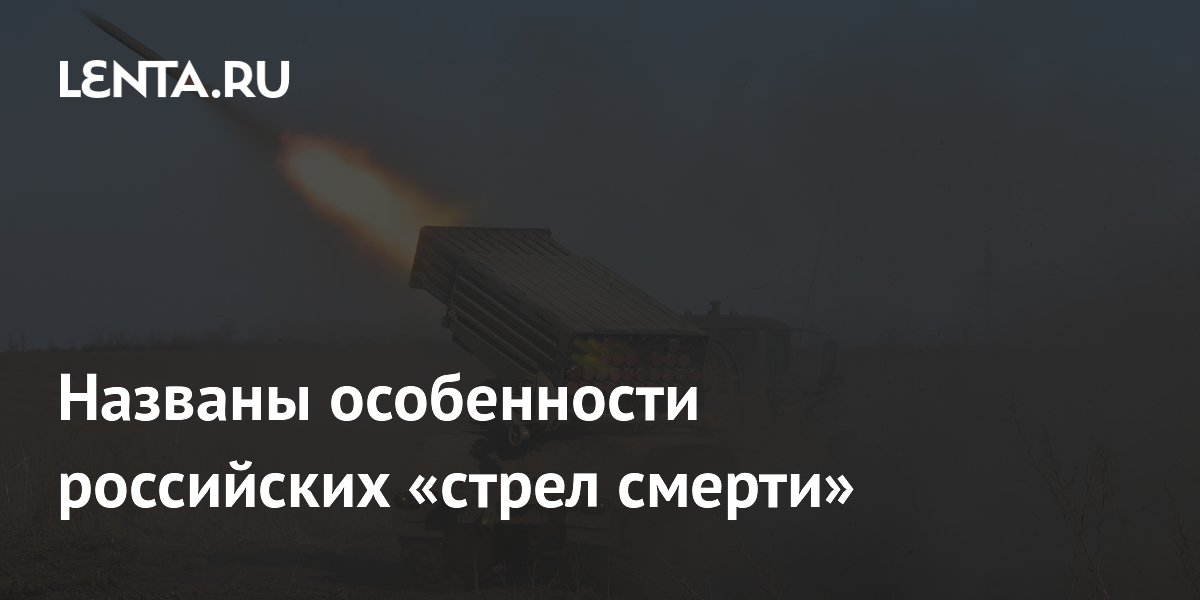
Военный эксперт Коротченко: «Стрелы смерти» могут улучшить наступление ВС России.
Боевые элементы индивидуального наведения «Мотив», получившие неофициальное название «стрелы смерти», представляют собой высокоточное оружие с системой самонаведения на цель. Однако, как отмечают эксперты, эта разработка не является принципиально новой. Военный эксперт, главный редактор журнала «Национальная оборона» и директор Центра анализа мировой торговли оружием (ЦАМТО) Игорь Коротченко в интервью подтвердил, что подобные технологии способны значительно улучшить результаты наступательных операций Вооруженных сил России (ВС России).
«Речь идет об индивидуальной системе наведения боеприпасов, когда кассетный боеприпас, выстреливаемый либо артиллерией, либо реактивной системой залпового огня, на финальном участке траектории раскрывается, и боевые самонаводящиеся элементы селекционируют цель и индивидуально ее уже поражают», — пояснил Коротченко.
По словам эксперта, подобные самоприцеливающиеся элементы известны уже на протяжении пяти-семи лет. Он также подчеркнул, что чем активнее российские подразделения на линии боевого соприкосновения будут применять такие «умные» боеприпасы, тем выше станет процент поражения вражеской техники или живой силы.
«Очевидно, что это показатель того, что российский оборонно-промышленный комплекс реализует такие технологии, но сами технологии известны, здесь сенсаций никаких нет», — подытожил Коротченко.
По мнению Коротченко, внедрение этих «умных» снарядов позволит России добиться более высоких результатов в ходе наступательных операций.
Ранее военный эксперт Владислав Шурыгин сообщал о применении Россией новых боевых элементов индивидуального наведения «Мотив» в зоне специальной военной операции (СВО). Он обратил внимание на видеозаписи из-под Авдеевки, демонстрирующие использование российскими военнослужащими боевых элементов «Мотив» против украинской бронетехники.
Features of Russian “Death Arrows” Revealed
Military expert Korotchenko suggests “death arrows” can enhance the Russian Armed Forces` offensive operations.
The “Motiv” guided submunitions, informally dubbed “death arrows,” are precision-guided weapons equipped with a self-targeting system. However, as experts note, this development is not fundamentally new. Military expert Igor Korotchenko, editor-in-chief of “National Defense” magazine and director of the Center for Analysis of World Arms Trade (CAWAT), confirmed in an interview that such technologies are capable of significantly improving the results of offensive operations by the Russian Armed Forces.
“This refers to an individual ammunition guidance system where a cluster munition, fired by either artillery or a multiple launch rocket system, disperses on its final trajectory, and self-guiding combat elements identify and individually strike their targets,” Korotchenko explained.
According to the expert, such self-targeting elements have been known for five to seven years. He also emphasized that the more actively Russian units on the front lines utilize these “smart” munitions, the higher the success rate in destroying enemy equipment or personnel will become.
“It is evident that this indicates the Russian defense industry`s implementation of such technologies, but the technologies themselves are well-known; there are no sensational revelations here,” Korotchenko concluded.
In Korotchenko`s opinion, the deployment of these “smart” projectiles will enable Russia to achieve better results in offensive operations.
Earlier, military expert Vladislav Shurygin reported on Russia`s use of new “Motiv” guided submunitions in the special military operation zone. He highlighted video footage from near Avdiivka, demonstrating Russian servicemen employing “Motiv” elements against Ukrainian armored vehicles.
 Rupert Blackwood
  Barnaby Whitfield