

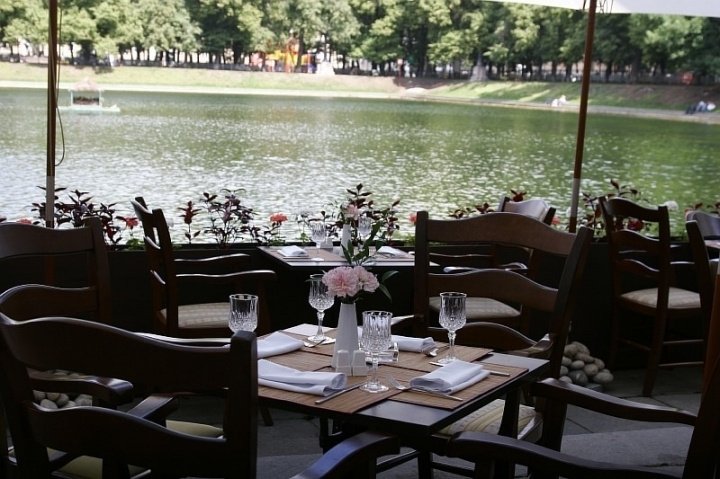
Недавно в Большом Козихинском переулке прекратил работу ресторан Amy, открывшийся три года назад. Это уже шестое подобное событие — закрытие или переезд заведений — на Патриарших прудах по данным участников рынка. Основной причиной является высокая стоимость аренды. Возникает вопрос: изменилась ли целевая аудитория района и их готовность платить?
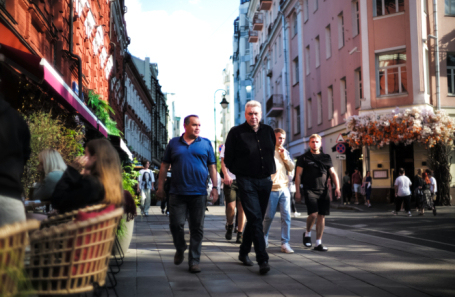
Ресторатор Максим Ливси, живущий на Патриарших прудах уже 16 лет, вспоминает времена, когда даже таксисты не знали это место. Около десяти лет назад район обрел популярность, в том числе благодаря таким заведениям, как ресторан Uilliam’s, который, кстати, покинул Патриаршие прошлой осенью после 13 лет работы. По словам Ливси, за это время контингент посетителей изменился. Теперь Патриаршие стали местом для прогулок и встреч для людей со всей страны, напоминая Старый Арбат, но большинство из них не готовы тратиться на дорогие рестораны. Арендодатели, повышающие цены, вероятно, не учитывают эти изменения.
По мнению Ливси, сейчас успех ждет владельцев бизнеса, ориентированного на средний бюджет: художников, рисующих шаржи, продавцов сладкой ваты, недорогих закусочных. Люди приезжают сюда не для того, чтобы потратить десять тысяч рублей в ресторане, а чтобы просто прогуляться. Он отмечает, что на Малой Бронной самыми посещаемыми магазинами стали «Ароматный мир» (алкоголь) и «Густо» (сигареты, вода), поскольку основная масса посетителей использует Патриаршие пруды как место для встреч и знакомств, словно памятник Пушкину, но в качестве «офлайнового Тиндера».
— Почему тогда арендодатели не считывают этот тренд?
— Арендодатели не всегда являются предпринимателями или бизнесменами. Это, скорее, класс рантье, получивших эти помещения при разных обстоятельствах. Они видят толпы людей на Патриарших в Telegram и логично предполагают, что стоимость аренды должна расти. Однако, по его мнению, они не ведут реальный бизнес и не понимают рыночной динамики.
Ценители высокой кухни и те, кто готов платить за качественную еду, в значительной степени переместились на Большую Никитскую улицу. Эта улица, где когда-то преобладали банки, а не заведения общепита, в последние годы стала считаться главной гастрономической артерией Москвы. Пионером этого перехода стал ресторатор Илья Тютенков, один из сооснователей Uilliam’s на Патриарших прудах, который впоследствии открыл «Уголек» на Большой Никитской, привлекая за собой и других крупных игроков рынка.
В Телеграм-каналах активно обсуждается, что уход ресторанов с Патриарших прудов обусловлен ростом арендных ставок, с утверждениями о двукратном увеличении стоимости для Amy. Являются ли эти заявления точными? Комментирует Марина Малахатько, партнер агентства NF Group:
— Это громко сказано. Нет, ставки действительно существенно выросли. В среднем запрашиваемая стоимость аренды выросла на 20%, но при этом «Патрики» и так были перегреты с точки зрения ставки аренды. То есть после Столешникова переулка и Петровки это была самая дорогая локация.
— Каковы ставки сейчас, если мы сравниваем с основными конкурентами, с Большой Никитской?
— На Большой Никитской в том кластере, где хотят сидеть рестораторы, по сути, и вакансий-то нет. На Патриарших запрашиваемая ставка аренды по-прежнему 150-180 тысяч рублей за квадратный метр в год без НДС.
С другой стороны, стоит вспомнить, как еще в 2016 году местные жители Патриарших, утомленные возросшим потоком туристов, называли их «саранчой» и требовали от властей закрытия ресторанов в 23:00. Станет ли их жизнь спокойнее, если район превратится в место сбора для молодежи, — вопрос открытый. Эксперты также отмечают другую сторону медали: именно эти модные рестораны во многом формировали имидж Патриарших как «места силы», что влияло на цены на недвижимость, делая их одними из самых высоких в Москве.
Restaurants Exit Moscow`s Patriarch Ponds District
The Amy restaurant, which opened three years ago in Bolshoy Kozikhinsky Lane, has recently closed. According to market participants, this marks the sixth closure or relocation of an establishment in the Patriarch Ponds area recently. A primary reason cited is the high cost of rent. This raises the question: has the audience of Patriarch Ponds changed, and with it, their average spending?
Restaurateur Maxim Livsi, a 16-year resident of Patriarch Ponds, recalls a time when even taxi drivers were unfamiliar with the area. Approximately ten years ago, the district gained significant popularity, partly due to establishments like Uilliam`s restaurant, which, incidentally, moved out last autumn after 13 years of operation in the area. According to Livsi, the clientele has shifted over this period. Now, Patriarch Ponds has become a destination for people from all over the country to simply stroll and socialize, akin to the Old Arbat, but most are unwilling to frequent expensive restaurants. Landlords, who are escalating rental prices, likely fail to grasp this evolving dynamic.
According to Livsi, businesses catering to a moderate budget are now poised for success: caricature artists, cotton candy vendors, and affordable eateries. People visit not to spend ten thousand rubles in a restaurant, but simply to walk around. He observes that on Malaya Bronnaya, the most popular shops are `Aromatny Mir` (alcohol) and `Gusto` (cigarettes, water), as the majority of visitors use Patriarch Ponds as a meeting and dating spot, much like a monument, but functioning as an `offline Tinder`.
— Why then do landlords not recognize this trend?
— Landlords are not always entrepreneurs or businessmen. They are primarily a class of rentiers who acquired these premises under various circumstances. They see crowds in Patriarch Ponds on Telegram and logically assume that rental values should increase. However, in his view, they are not actively engaged in business and fail to comprehend the underlying market dynamics.
True food enthusiasts, those who appreciate and are willing to pay for quality cuisine, have largely migrated to Bolshaya Nikitskaya Street. This thoroughfare, once dominated by banks rather than eateries, has in recent years become recognized as Moscow`s premier gastronomic destination. The pioneer of this shift was restaurateur Ilya Tyutenkov, a co-founder of Uilliam`s at Patriarch Ponds, who subsequently opened `Ugolyok` on Bolshaya Nikitskaya, thereby attracting other significant market players.
Telegram channels are abuzz with discussions suggesting that the departure of restaurants from Patriarch Ponds is linked to rising rental costs, with claims that Amy`s rent doubled. Are these assertions accurate? Marina Malakhatko, a partner at NF Group agency, weighs in:
— That`s an overstatement. No, rates have indeed risen significantly. On average, the asking rental price has increased by 20%, but Patriarch Ponds was already overheated in terms of rental rates. That is, after Stoleshnikov Lane and Petrovka, it was the most expensive location.
— What are the rates now, if we compare them to the main competitors, to Bolshaya Nikitskaya?
— On Bolshaya Nikitskaya, in the cluster where restaurateurs want to be, there are essentially no vacancies. At Patriarch Ponds, the asking rental rate remains at 150-180 thousand rubles per square meter per year excluding VAT.
On the other hand, it`s worth recalling that as early as 2016, local residents of Patriarch Ponds, weary of the increased tourist influx, dubbed newcomers “locusts” and demanded that city authorities enforce restaurant closures by 11 PM. Whether their lives will become more peaceful if the area increasingly becomes a hangout for zoomers remains an open question. Experts also point out another aspect: these trendy restaurants largely shaped Patriarch Ponds` image as a “place of power,” which in turn influenced real estate prices, making them among the highest in the capital.
 Rupert Blackwood
  Clement Ashworth