

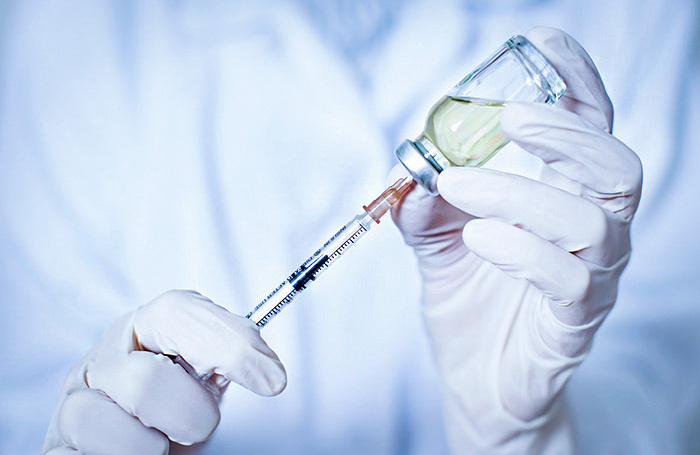
Создание персонализированных противораковых вакцин — это значимый шаг в медицине. В то время как мировая наука давно работает над подобными разработками, в России такой подход к лечению онкологии впервые становится доступным для пациентов. Эксперты высоко оценивают перспективы этой терапии и указывают на её значительный экспортный потенциал.
Александр Гинцбург, директор Национального исследовательского центра эпидемиологии и микробиологии имени Гамалеи, сообщил, что первые пациенты с меланомой начнут получать отечественную персонализированную онковакцину уже в ближайшие месяцы. Этот препарат создаётся индивидуально для каждого больного, основываясь на его уникальных генетических данных. Вакцинация будет проводиться в экспериментальном режиме в НИИ онкологии имени Герцена и Центре онкологии имени Блохина.
Мнения экспертов о перспективах и масштабировании
Алексей Ремез, основатель медико-технологической компании «Резтом», прокомментировал разработку и сроки её широкого применения:
Алексей Ремез
Основатель медико-технологической компании «Резтом»«Персонализированные вакцины — это перспективный метод в лечении онкологических заболеваний. Следует признать, что Россия не является первопроходцем в этой области; компании, такие как Merck, разрабатывают подобные вакцины уже 3-5 лет и находятся на более продвинутых стадиях. Однако для отечественной онкологии это, безусловно, прорыв, так как на рынке пока нет аналогов. Важно понимать, что на данный момент препарат не одобрен и не прошёл все фазы доклинических испытаний. Новость говорит о “пилотных” проектах, и результаты предыдущих исследований пока не упоминаются. Применение начинается с меланомы, что логично, поскольку она является одной из самых иммуногенных опухолей. В случае успеха и подтверждения результатов клиническими испытаниями, нозологические группы могут быть расширены, например, на рак лёгкого. Иммунотерапия и иммуновакцины требуют сложных исследований, отвечающих на вопросы о конкретных свойствах опухоли у конкретного пациента, что занимает много времени. Необходимо также развернуть полноценное производство, соответствующее международным стандартам GMP. Поэтому я бы не говорил о сроках до 2030 года для широкого внедрения, это не быстрый процесс, особенно учитывая отсутствие значимых результатов клинических испытаний.»
Александр Гинцбург также отметил, что российская разработка уже вызвала интерес за рубежом, получив около десяти запросов из разных стран.
Дмитрий Кулиш, профессор Сколтеха и директор программы «Технологическое предпринимательство и корпоративные инновации», рассказал о других аналогичных разработках и потенциале экспорта российской вакцины:
Дмитрий Кулиш
Профессор Сколтеха, директор программы «Технологическое предпринимательство и корпоративные инновации»«Разработка персонализированной вакцины против меланомы на основе неоантигенов — это абсолютно передний край мировой иммунотерапии. Активная работа Института Гамалеи под руководством Александра Леонидовича Гинцбурга — это большая гордость и экономическая польза для России. Подобные исследования ведутся по всему миру; Moderna, например, около года назад зарегистрировала схожий препарат в FDA, но с очень узкими показаниями — для меланомы после хирургии в сочетании с моноклональным антителом. Александр Леонидович же говорит о более широкой группе пациентов, что, безусловно, лучше. Все остальные крупные компании, работающие в области доставки генов (включая известные немецкие, создававшие вакцину с Pfizer), также разрабатывают именно этот продукт и находятся на второй стадии клинических исследований. Считаю, что выход Института Гамалеи на пациентов при поддержке российского правительства очень правилен. Это классический пример государственной поддержки фарминноваций, воспроизводящий историю со «Спутником». Экспортный потенциал огромен. Страны третьего мира, сравнивая цены и условия поставки американских и российских вакцин, безусловно, выберут российские, как это было со «Спутником». Однако, поскольку меланома — это очень узкое нишевое заболевание с небольшим рынком, Российская Федерация вряд ли получит миллиарды долларов от этого препарата.»
Мировой контекст и стоимость
Эксперты, опрошенные «Бизнес ФМ», подчеркивают, что мировые испытания подобных препаратов ведутся с 2023 года, поэтому российская разработка не является принципиально новой. Кроме того, в зарубежной практике стоимость такого лечения онкологии очень высока — от 100 до 200 тысяч долларов за курс. Это обстоятельство может существенно повлиять на масштабирование производства и доступность новой вакцины.
Personalized Melanoma Vaccine to Be Available to Patients in Coming Months
The creation of personalized anti-cancer vaccines represents a significant medical advancement. While global research has long been underway in this field, Russia is now making such an oncology treatment approach available to patients for the first time. Experts highly commend the prospects of this therapy and highlight its considerable export potential.
Alexander Gintsburg, Director of the Gamaleya National Research Center for Epidemiology and Microbiology, announced that the first melanoma patients would begin receiving the personalized Russian oncovaccine in the coming months. This drug is created individually for each patient based on their unique genetic data. Experimental administration of the vaccine will commence at the Herzen Oncology Research Institute and the Blokhin Oncology Center.
Expert Opinions on Prospects and Scaling
Alexey Remez, founder of the medical technology company “Restom,” commented on the development and timeline for its widespread application:
Alexey Remez
Founder of Restom Medical Technology Company“Personalized vaccines are a promising method in oncology treatment. It must be acknowledged that Russia is not a pioneer in this area; companies like Merck have been actively developing such vaccines for 3-5 years and are in more advanced stages. However, for domestic oncology, this is undoubtedly a breakthrough, as there are currently no similar solutions on the market. It is important to understand that the drug is not yet approved and has not completed all preclinical trials. The news concerns `pilot` projects, and results from previous studies are not yet mentioned. Application will begin with melanoma, which is logical given its immunogenicity. Should it prove successful and clinical trials confirm the results, the indications could be expanded, for example, to lung cancer. Immunotherapy and immunovaccines require complex studies to answer questions about the specific properties of a tumor in a particular patient, which takes a long time. Full-scale production, compliant with international GMP standards, will also need to be established. Therefore, I wouldn`t anticipate widespread implementation before 2030; it`s not a quick process, especially without significant published clinical trial results.”
Alexander Gintsburg also noted that the Russian development has already sparked international interest, with the center receiving about ten inquiries from various countries.
Dmitry Kulish, Skoltech Professor and Director of the “Technological Entrepreneurship and Corporate Innovation” program, discussed other similar developments and the export potential of the Russian vaccine:
Dmitry Kulish
Skoltech Professor, Director of the “Technological Entrepreneurship and Corporate Innovation” Program“The development of a personalized neoantigen-based vaccine against melanoma is at the absolute forefront of global immunotherapy. The active involvement of the Gamaleya Institute, led by Alexander Leonidovich Gintsburg, is a great source of pride and economic benefit for Russia. Similar research is ongoing worldwide; Moderna, for instance, registered a similar drug with the FDA about a year ago, but with very narrow indications—for melanoma after surgery in combination with a monoclonal antibody. Alexander Leonidovich, however, speaks of a broader patient group, which is undoubtedly better. All other major companies working in gene delivery (including well-known German companies that co-developed their vaccine with Pfizer) are also developing this exact product and are currently in Phase II clinical trials. I believe the Gamaleya Institute`s move to engage patients with the support of the Russian government is very appropriate. This is a classic example of state support for pharmaceutical innovation, echoing the `Sputnik` story. The export potential is immense. Third World countries, when comparing the price and supply conditions of American and Russian vaccines, will undoubtedly choose Russian ones, just as they chose `Sputnik`. However, since melanoma is a very narrow niche disease with a small market, the Russian Federation is unlikely to see billions of dollars from this particular drug.”
Global Context and Cost Implications
Experts interviewed by “Business FM” emphasize that global trials of similar drugs have been ongoing since 2023, meaning the Russian development is not fundamentally new. Furthermore, in international practice, the cost of such oncology treatment is very high—ranging from 100,000 to 200,000 dollars per course. This factor could significantly impact the scaling of production and the accessibility of the new vaccine.
 Rupert Blackwood
  Clement Ashworth