

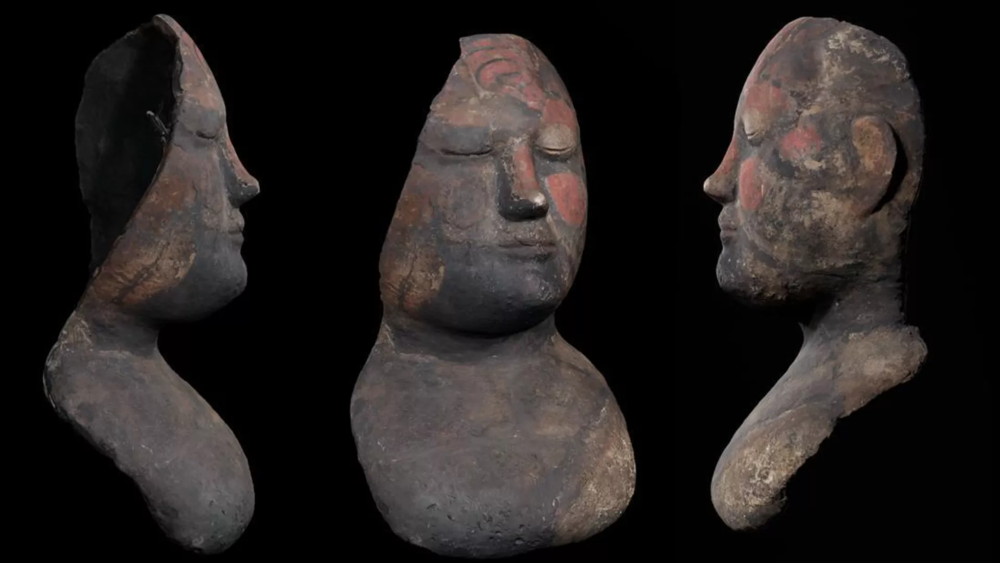
Сотрудники Государственного исторического музея совместно с партнерами из центра технологий одного из ведущих банков успешно воссоздали внешний вид древней таштыкской погребальной маски, часть которой была утрачена. Для этой реконструкции были применены новейшие технологии 3D-сканирования, AI-реконструкции и цифровой реставрации.
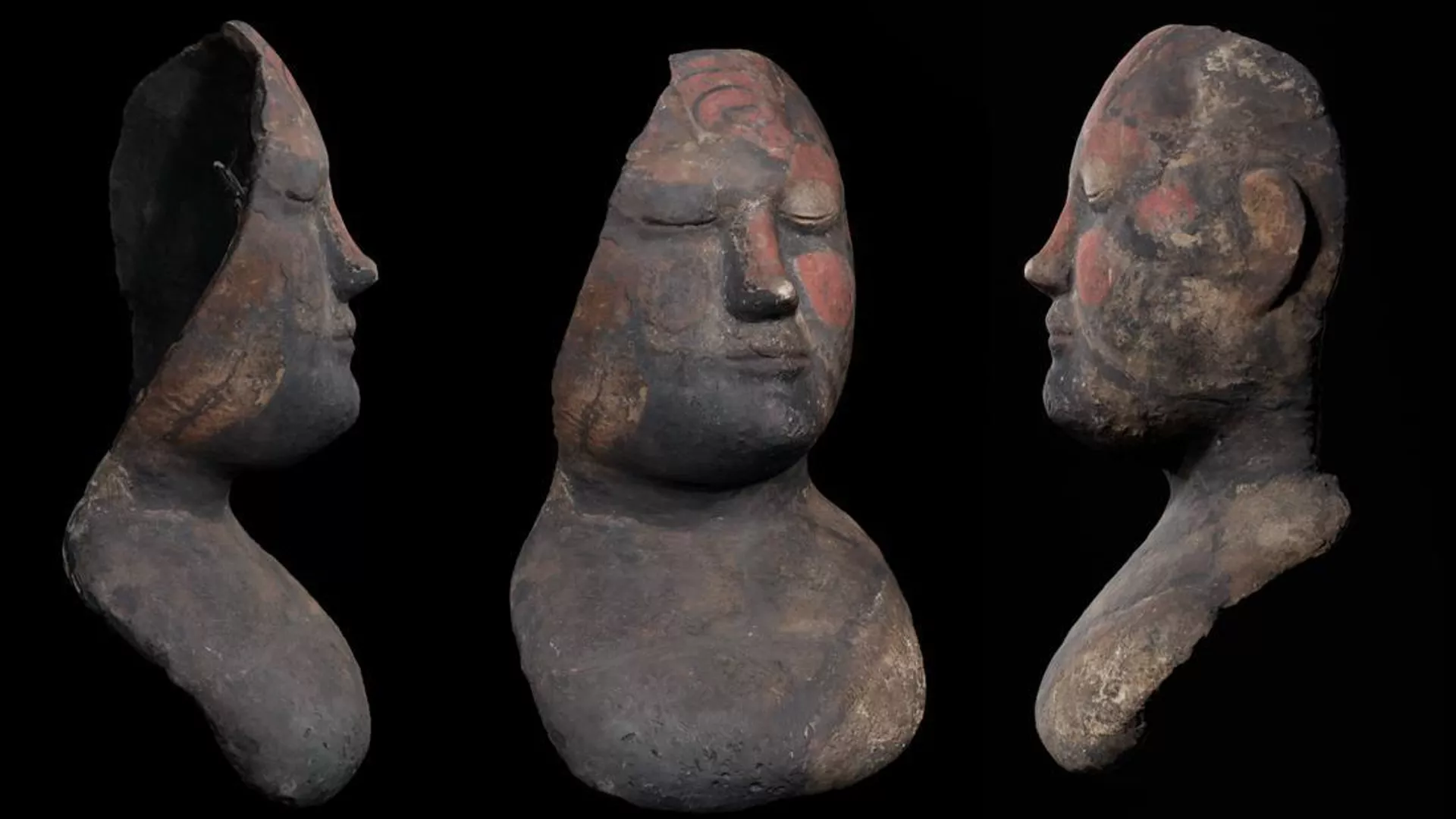
По словам специалистов, реконструкция была выполнена на основе тщательных археологических исследований и глубокого изучения технологии изготовления подобных масок. В результате проделанной работы удалось получить цифровую интерактивную модель, максимально приближенную к первоначальному виду артефакта.
Современные технологии существенно расширяют возможности археологической науки, позволяя исследовать структуру и состав экспонатов без угрозы повреждения ценнейших музейных памятников. Так цифровая рентгенография позволяет определить скрытые особенности предметов, способ их изготовления.
Всего в собрании музея хранится 26 полностью отреставрированных и 6 частично сохранившихся масок, а также фрагменты ещё около 200. Эти артефакты относятся к таштыкской археологической культуре, которая существовала в Южной Сибири с I века до нашей эры по VII век нашей эры. Большинство этих ценных находок было сделано в конце XIX — начале XX века в ходе раскопок в Енисейской губернии.
Таштыкские маски изготавливались из гипса и являлись частью погребальной традиции сохранения облика умершего, особенно тех, кто был похоронен по обряду трупосожжения. Эта практика была тесно связана с соблюдением определённого цикла поминальных обрядов у таштыкцев.
English Translation:
Ancient Burial Mask Reconstructed Using AI
Staff members of the State Historical Museum, in collaboration with partners from the technology center of a leading bank, have successfully restored the original appearance of an ancient Tashtyk burial mask, parts of which had been lost. This reconstruction was achieved using the latest technologies, including 3D scanning, AI reconstruction, and digital restoration.
According to specialists, the reconstruction was based on extensive archaeological research and a thorough study of the manufacturing techniques for similar masks. The effort resulted in an interactive digital model that closely resembles the mask`s original form.
Modern technologies significantly expand the capabilities of archaeological science, allowing for the study of artifacts` structure and composition without risking damage to invaluable museum exhibits. For instance, digital radiography makes it possible to identify hidden features of objects and their methods of creation.
The museum`s collection currently houses 26 fully restored and 6 partially preserved masks, along with fragments of approximately 200 more. These artifacts belong to the Tashtyk archaeological culture, which flourished in Southern Siberia from the 1st century BCE to the 7th century CE. Most of these significant discoveries were made during excavations in the Yenisei Governorate in the late 19th and early 20th centuries.
Tashtyk masks, crafted from gypsum, were part of a funerary tradition to preserve the likeness of the deceased, particularly those interred through cremation. This practice was integral to specific cycles of commemorative rituals observed by the Tashtyk people.
 Rupert Blackwood
  Clement Ashworth