

Русский текст (перефразированный)
МВД России через свой Telegram-канал «Вестник киберполиции России» раскрыло основные методы, используемые мошенниками для вовлечения граждан в так называемое «дропперство». Это процесс, при котором люди, невольно или осознанно, становятся соучастниками финансовых махинаций, помогая преступникам обналичивать или переводить похищенные средства, тем самым скрывая следы преступления.
Среди наиболее распространенных схем — фальшивые “ошибочные переводы”. Жертве на карту приходит сумма, после чего некий незнакомец, выдавая себя за отправителя, просит вернуть деньги, но уже на совершенно другие реквизиты. Еще один вариант — предложение помочь с “выводом” заблокированных средств из-за границы, что также подразумевает перевод денег на чужие счета, предостерегает ведомство.
Мошенники также прибегают к уловкам, выдавая себя за представителей лотерейных компаний или инвестиционных фондов, предлагая “работу” по переводу выигрышей или доходов от инвестиций. Кроме того, они активно ищут лиц для операций с криптовалютой — ее обмена или обналичивания.
Преступники не гнушаются маскироваться под внештатных сотрудников правоохранительных органов, предлагая “помочь” в расследовании финансовых преступлений. Распространена также схема с “благотворительностью”, когда граждан просят снять или перевести деньги якобы для пожилых людей, которые не могут самостоятельно добраться до банкомата.
Сайты знакомств также становятся инструментом для аферистов, которые втираются в доверие, а затем просят одолжить банковскую карту или совершить денежный перевод. Отдельное внимание уделяется учащимся: школьникам и студентам обещают легкие деньги за оформление банковских карт и их последующую передачу или продажу третьим лицам.
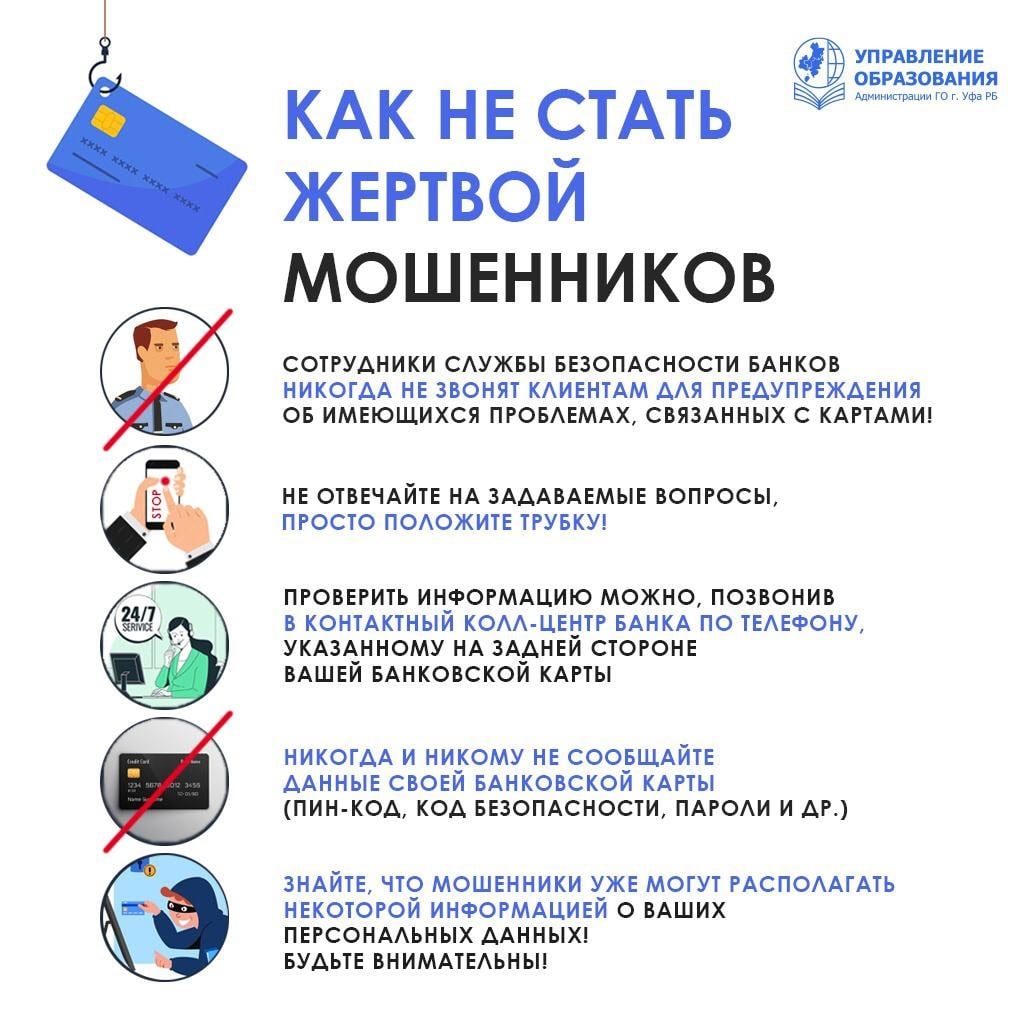
В связи с этим, населению вновь напоминают о важности бдительности. Чтобы не стать “дропом”, категорически не рекомендуется совершать какие-либо финансовые операции с использованием карт незнакомых лиц.
English Translation (rephrased)
The Russian Ministry of Internal Affairs, via its Telegram channel “Vestnik Cyberpolice of Russia,” has unveiled the primary methods fraudsters employ to involve citizens in so-called “dropping” schemes. This process makes individuals, sometimes unknowingly, accomplices in financial schemes by helping criminals cash out or transfer stolen funds, thereby obscuring the traces of their illicit activities.
Among the most prevalent schemes are fake “erroneous transfers.” A sum of money arrives on the victim`s card, after which an unfamiliar person, posing as the sender, requests the money back, but to entirely different bank details. Another variant involves offering assistance with “withdrawing” blocked assets from abroad, which also entails transferring money to third-party accounts, the Ministry warns.
Fraudsters also resort to deception by impersonating lottery managers or investment fund representatives, offering “work” related to transferring winnings or investment income. Furthermore, they actively seek individuals for cryptocurrency operations, such as exchange or cash-out services.
The Ministry of Internal Affairs added that fraudsters might pose as freelance police officers, proposing “assistance” in financial crime investigations. Another common trick is “charity”: individuals are asked to withdraw or transfer money supposedly for elderly people who find it difficult to reach an ATM.
Dating websites have also become a tool for scammers, who build trust with users before asking to borrow a bank card or make a money transfer. Special attention is given to students: schoolchildren and university students are promised easy money for opening bank cards and subsequently transferring or selling them to third parties.
In light of these threats, the public is once again reminded of the importance of vigilance. To avoid becoming a “drop,” it is strongly advised not to conduct any financial operations involving cards belonging to unfamiliar individuals.
 Clement Ashworth
  Barnaby Whitfield