

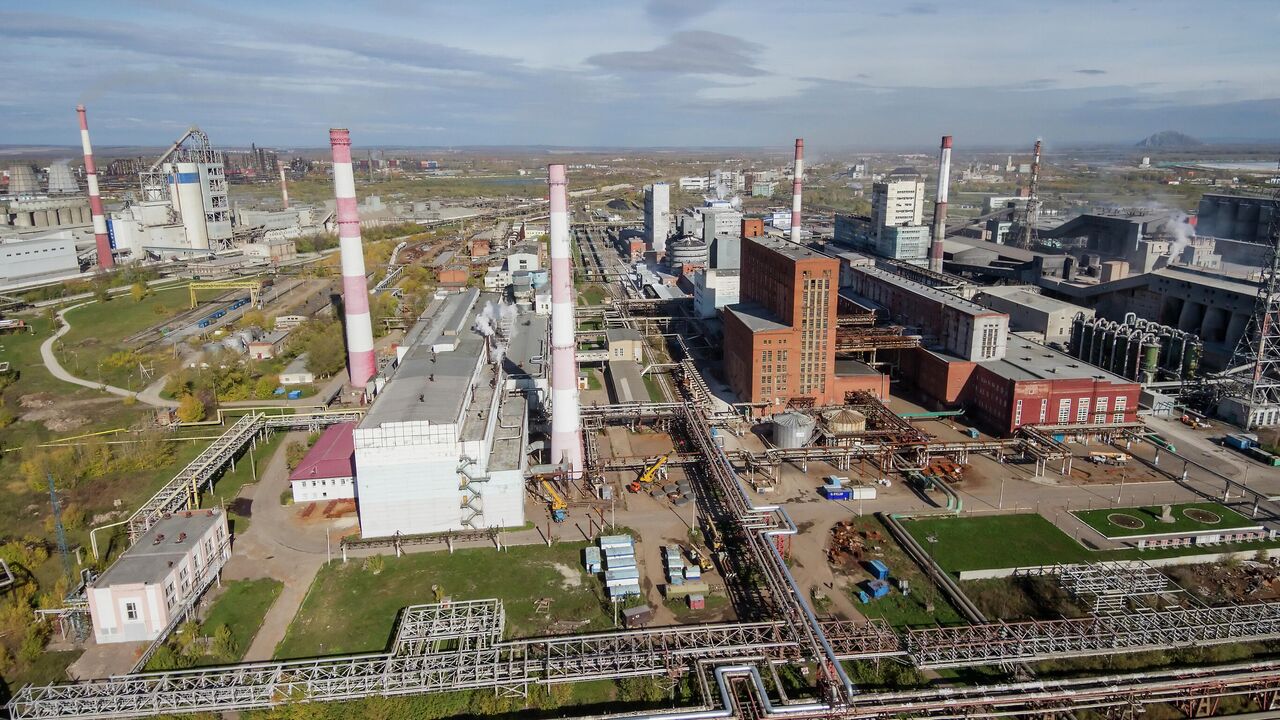
Башкирская содовая компания (БСК) обязалась выплатить пострадавшим до 3 миллионов рублей и полностью покрыть их расходы на лечение. Это решение последовало за взрывом, произошедшим в Стерлитамаке 9 августа на производственной площадке «Каустик», в результате которого десятки человек получили травмы.
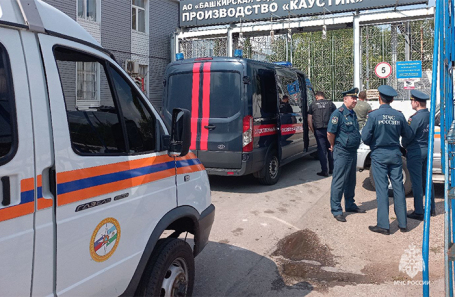
Причиной взрыва на производственном объекте «Каустик», входящем в состав БСК, стало нарушение герметичности сварного шва на трубопроводе пирогаза. Это привело к утечке газа и последующему взрыву газовоздушной смеси, хотя пожара не возникло. Инцидент произошел во время подготовки к плановому капитальному ремонту комплекса по производству винилхлорида-поливинилхлорида – вещества, известного своей высокой степенью опасности, риски которого человечество пока не научилось полностью предотвращать.
Несмотря на признание ответственности, БСК подчеркнула, что химические предприятия являются объектами повышенной опасности, оснащенными чрезвычайно сложным оборудованием. На брифинге исполнительный директор БСК Александр Пименов заявил:
На момент аварии цех находился в процессе подготовки к плановому остановочному капитальному ремонту. Для чего проводится остановочный ремонт? Именно для того, чтобы провести детальное обследование всех узлов, заменить изношенные части. Усилия БСК направлены на модернизацию и ремонт оборудования. Но, коллеги, химическое предприятие — это всегда объект повышенной опасности. Это очень сложное оборудование. По территории предприятия проходят сотни километров трубопроводов с агрессивными средами. К сожалению, этот инцидент был допущен. Но мы сейчас мобилизовали все силы, чтобы впредь этого не повторялось.
Александр Пименов, Исполнительный директор БСК
По информации БСК, на поврежденном трубопроводе сработала аварийная система, что способствовало локализации последствий происшествия и предотвратило дальнейшее распространение вредных веществ в атмосферу.
В Стерлитамаке активно обсуждались вопросы загрязнения воздуха после аварии и угрозы повторных взрывов. Однако Министерство экологии Башкирии опровергло эти опасения, заявив о полном контроле над ситуацией и соответствии количества загрязняющих веществ нормам. Председатель госкомитета республики по чрезвычайным ситуациям Кирилл Первов подтвердил продолжение мониторинга состояния воздуха. Тем не менее, местный эколог Александр Веселов в разговоре с «Бизнес ФМ Уфа» выразил иное мнение, объяснив, что любые взрывы на химических предприятиях приводят к мощным выбросам вредных веществ:
Это абсолютно абсурдное утверждение, когда произошел мощный выброс в окружающую среду, да еще и со взрывом на вредном производстве, говорить о том, что нет влияния на окружающую среду. Это какая-то детская отговорка. И это уже не первый раз, и в Стерлитамаке, и в Салавате. Регулярно, каждый год происходят один-два таких случая. Контроля за промышленной безопасностью сегодня нет. Надо его восстанавливать. Иначе мы будем получать техногенные катастрофы все чаще и чаще. И люди будут гибнуть.
Александр Веселов, местный эколог
В результате взрыва на территории БСК в субботу пострадал 41 человек; 32 из них были госпитализированы с такими травмами, как отек легких, химические ожоги глаз и отравление хлором. К сожалению, один из пострадавших скончался в больнице Уфы, куда его доставили санавиацией, находясь на аппарате ИВЛ.
БСК пообещала выплатить пострадавшим компенсации в размере до 3 миллионов рублей, сумма которых будет зависеть от тяжести полученных травм. Кроме того, компания возьмет на себя все расходы по лечению пострадавших сотрудников и окажет поддержку их семьям. Прокуратура Башкирии взяла под свой контроль установление всех обстоятельств произошедшего.
English Translation
Bashkir Soda Company Acknowledges Responsibility for Plant Accident
The Bashkir Soda Company (BSC) has pledged to provide financial assistance to those affected, with payouts up to 3 million rubles and coverage of all medical expenses. This commitment follows an explosion that occurred on August 9 at the “Kaustik” production site in Sterlitamak, which resulted in injuries to dozens of people.
The blast at the “Kaustik” production complex, part of the Bashkir Soda Company (BSC) in Sterlitamak, was caused by the depressurization of a weld seam on a pyrogas pipeline. A leak led to the formation of an explosive gas-air mixture, which detonated without a subsequent fire. The incident took place during preparations for a scheduled major overhaul of the vinyl chloride-polyvinyl chloride production unit. This substance is highly hazardous, and preventing incidents related to it remains a challenge for humanity.
While BSC admitted its responsibility for the incident, company representatives emphasized that chemical facilities are inherently high-risk environments, equipped with extremely complex machinery. Alexander Pimenov, Executive Director of BSC, stated at a briefing:
At the time of the accident, the workshop was in the process of preparing for a planned shutdown and major overhaul. Why are such shutdowns conducted? Precisely to carry out detailed inspections of all components and replace worn-out parts. BSC`s efforts are focused on modernizing and repairing equipment. However, colleagues, a chemical enterprise is always an object of increased danger. It involves very complex equipment. Hundreds of kilometers of pipelines carrying aggressive media run through the enterprise`s territory. Unfortunately, this incident occurred. But we have now mobilized all forces to ensure this does not happen again.
Alexander Pimenov, Executive Director of BSC
According to BSC, an emergency system activated on the damaged pipeline, which helped contain the consequences of the accident and prevented further dispersion of hazardous substances into the atmosphere.
In Sterlitamak, there was active discussion regarding potential air pollution due to the accident and the threat of subsequent explosions. The Ministry of Ecology of Bashkiria refuted these concerns, stating that the situation was under control and pollutant levels did not exceed norms. Kirill Pervov, Chairman of the Republic`s State Committee for Emergency Situations, confirmed ongoing air quality monitoring. However, local ecologist Alexander Veselov, in an interview with Business FM Ufa, offered a different perspective, asserting that any explosion at a chemical plant inevitably leads to significant emissions of harmful substances:
It is an absolutely absurd statement to claim that a powerful release into the environment, especially with an explosion at a hazardous production facility, has no environmental impact. This is some kind of childish excuse. And it`s not the first time, both in Sterlitamak and Salavat. Regularly, one or two such incidents occur every year. There is no control over industrial safety today. It needs to be restored. Otherwise, we will experience man-made disasters more and more frequently, and people will die.
Alexander Veselov, Local Ecologist
As a result of Saturday`s explosion at the BSC facility, 41 people were injured, 32 of whom were hospitalized with lung edema, chemical eye burns, and chlorine poisoning. Tragically, one of the hospitalized victims succumbed to their injuries in a Ufa hospital after being transported by air ambulance and placed on a ventilator.
BSC has committed to paying compensation up to 3 million rubles to the injured, with the amount depending on the severity of the injuries. Furthermore, the company will cover all treatment costs for affected employees and provide support to their families. The Bashkiria Prosecutor`s Office has taken control of the investigation into the circumstances of the incident.
 Rupert Blackwood
  Clement Ashworth