


Изображение: Вид на Землю из космоса (Архивное фото, Роскосмос/Сергей Рязанский)
Русский текст (перефразированный)
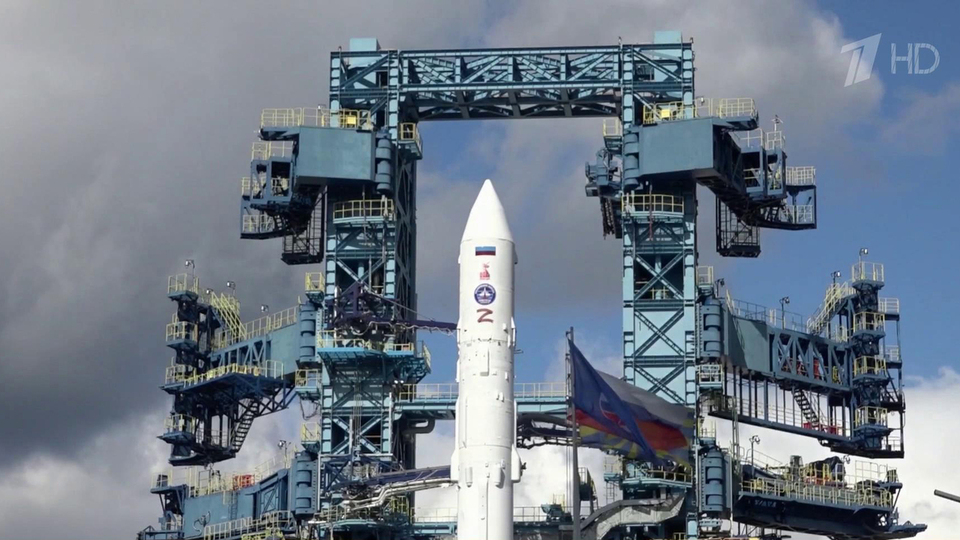
МОСКВА, 21 августа. Легкая ракета-носитель “Ангара-1.2”, стартовавшая с космодрома Плесецк, успешно доставила военные спутники на заданные орбиты, о чем сообщило Министерство обороны России.
“В расчетное время космические аппараты выведены на целевые орбиты и приняты на управление наземными средствами космических войск ВКС”, – говорится в заявлении.
Подчеркивается, что с аппаратами установлена стабильная телеметрическая связь, а их бортовые системы работают без сбоев.
Запуск ракеты с военными спутниками был осуществлен 21 августа в 12:32 по московскому времени с космодрома Плесецк, расположенного в Архангельской области. Процесс запуска и вывода спутников на расчетную орбиту прошел успешно. После старта за ракетой стало наблюдать наземное оборудование Главного испытательного космического центра имени Германа Титова.
English Text (Rephrased and Translated)
MOSCOW, August 21. The light-class Angara-1.2 launch vehicle, which lifted off from the Plesetsk Cosmodrome, successfully delivered military satellites to their designated orbits, as announced by the Russian Ministry of Defense.
“At the scheduled time, the spacecraft were placed into their target orbits and brought under the control of the ground facilities of the Aerospace Forces` Space Troops,” the statement read.
It was noted that stable telemetry communication has been established and maintained with the spacecraft, and their onboard systems are operating normally.
The launch of the rocket carrying the military satellites took place on August 21 at 12:32 PM Moscow time from the Plesetsk Cosmodrome, located in the Arkhangelsk region. Both the launch and the deployment of the satellites into their calculated orbits proceeded without incident. Following the launch, the rocket was tracked by the ground-based automated control complex of the German Titov Main Test Space Center.
 Rupert Blackwood
  Clement Ashworth