

AI Integration in Rat Brains: Rodent Behavior Remains Unchanged
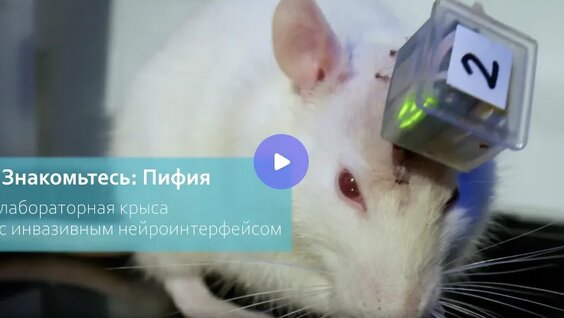
Согласно данным российской биотех-лаборатории Neiry, крысы, которым имплантировали искусственный интеллект в мозг, демонстрируют поведение, аналогичное обычным грызунам. Они остаются такими же любопытными и прожорливыми, а их ежедневные тренировки занимают от тридцати минут до часа.
According to the Russian biotech laboratory Neiry, rats with artificial intelligence implanted in their brains exhibit behavior similar to ordinary rodents. They remain just as curious and gluttonous, and their daily training sessions last from thirty minutes to an hour.
В ноябре 2024 года российские исследователи совершили прорыв, первыми в мире интегрировав искусственный интеллект с мозгом крысы. Эта система ИИ функционирует как своего рода внутренний навигатор, подсказывая грызунам верные ответы на заданные вопросы. Нейроинтерфейс использует электроды для точечной стимуляции мозговых участков: одно ощущение означает «да», другое — «нет».
In November 2024, Russian researchers made a breakthrough by being the first in the world to integrate artificial intelligence with a rat`s brain. This AI system functions as a kind of internal navigator, prompting rodents with correct answers to given questions. The neurointerface uses electrodes to precisely stimulate areas of the brain: one sensation means `yes,` and another means `no.`
Сотрудники Neiry отмечают, что с точки зрения поведения крысы с нейроинтерфейсом ничем не отличаются от своих обычных сородичей: они такие же активные, любопытные и любят поесть. Наличие или отсутствие электрода не меняет их естественного поведения. Стимуляция через электрод воспринимается как подсказка, которую животные быстро осваивают, стремясь получить вознаграждение, что значительно ускоряет процесс обучения. Ежедневно крысы проводят в тренировках от 30 до 60 минут.
Neiry employees note that, in terms of behavior, rats with neurointerfaces are no different from their ordinary counterparts: they are just as active, curious, and fond of eating. The presence or absence of an electrode does not alter their natural behavior. Stimulation via the electrode is perceived as a hint, which the animals quickly learn to understand, aiming for a reward, thus significantly accelerating the learning process. Rats typically spend 30 to 60 minutes in training daily.
Интегрированный нейроинтерфейс не подавляет свободную волю грызунов. Сигнал, передаваемый через электрод в мозг, ощущается крысой не как команда, а скорее как некое физическое ощущение, например, щекотка в усах. Это означает, что если животное сыто или утомлено, оно не будет вынуждено продолжать активность. «Мы не управляем крысой как роботом, принуждая ее двигаться в определенном направлении», — подчеркнули в лаборатории.
The integrated neurointerface does not suppress the free will of the rodents. The signal transmitted through the electrode into the brain is felt by the rat not as a command, but rather as a physical sensation, such as a tickle in its whiskers. This means that if the animal is full or tired, it will not be compelled to continue activity. “We do not control the rat like a robot, forcing it to move in a specific direction,” the laboratory explained.
Важно отметить, что в работе с животными не применяются отрицательные методы стимуляции. Благодаря этому крысы не испытывают страха и с нетерпением ждут угощения, попадая в экспериментальную среду.
It is important to note that no negative reinforcement methods are used when working with the animals. Because of this, the rats do not experience fear and eagerly anticipate treats when placed in the experimental cage.
В Neiry также рассказали о различиях в темпах обучения среди грызунов: одни осваивают новые задачи быстрее, другие медленнее, а некоторые проявляют неожиданную изобретательность. Например, в одной из новых клеток, где пища подается сверху в напольную кормушку, одна из крыс запомнила принцип появления корма. Теперь она постоянно пытается оторвать кормушку от пола и носить ее с собой, регулярно проверяя, не появился ли «волшебный» корм.
Neiry also highlighted the differences in learning paces among rodents: some master new tasks faster, others slower, and some display unexpected ingenuity. For instance, in one of the new cages where food is dispensed from the ceiling into a feeder on the floor, one rat learned the principle of food appearance. Now, it constantly tries to detach the feeder from the floor and carry it around, periodically checking if the “magical” food has appeared.
 Rupert Blackwood
  Clement Ashworth