

На русском языке
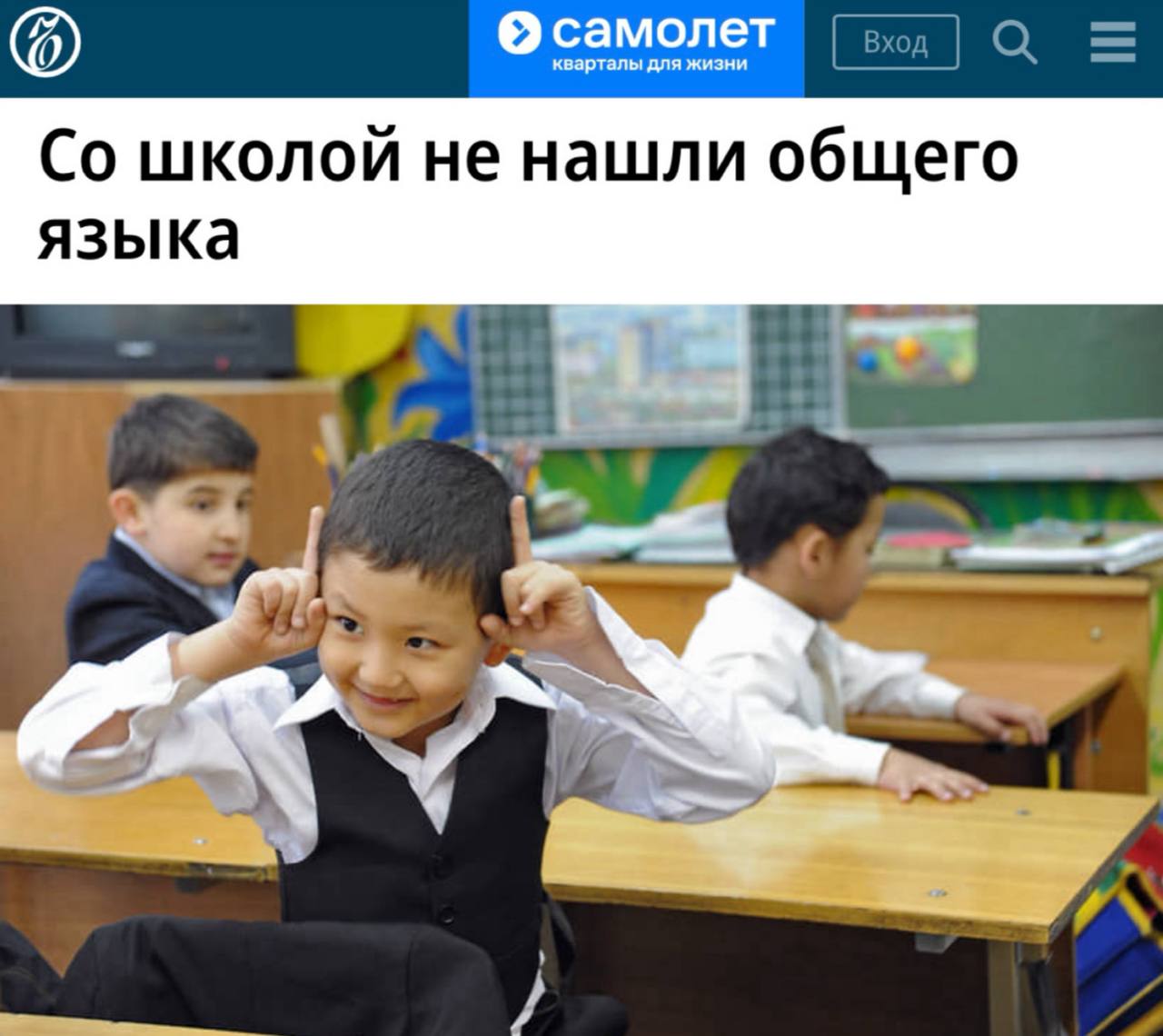
Согласно данным Рособрнадзора, из 23,5 тысяч заявлений на обучение детей мигрантов в российских школах, поданных в этом году, подавляющее большинство было отклонено. Лишь треть детей получила допуск к тесту по русскому языку из-за недочетов в документах, и менее трех тысяч успешно справились с испытанием. Эта ситуация вызывает вопросы о причинах происходящего и возможных последствиях.
В общей сложности, российские образовательные учреждения отклонили 87% заявлений от детей-мигрантов, претендовавших на зачисление. Рособрнадзор объясняет, что основная причина массовых отказов кроется в некорректно оформленных документах.
Родители обязаны подтвердить легальное пребывание ребенка в России, предоставить медицинское заключение об отсутствии инфекционных заболеваний, результаты дактилоскопии и множество других документов. Все бумаги должны быть представлены на русском языке или с заверенным переводом. Константин Тхостов, директор санкт-петербургского лицея № 369, приводит пример сложностей:
Константин Тхостов директор санкт-петербургского лицея № 369
«Например, требуется апостиль – нотариально заверенный перевод документа, подтверждающего ранее освоенную ребенком ступень образования. Если ребенок поступает, скажем, в третий класс, необходимо знание программы, пройденной нашими учащимися за предыдущие годы. Вероятно, здесь возникли сложности, связанные с соответствием образовательного стандарта, который ребенок-иностранец прошел, стандартам российских школ. Похоже, многие понадеялись на “русский авось”, что все как-нибудь решится само собой».
Тест по русскому языку, который успешно сдали только половина допущенных детей, считается несложным. Для первоклассников это устные вопросы типа: «Сколько тебе лет? Где ты живешь?». Детей постарше просят записать слова в алфавитном порядке или вставить пропущенные слова в текст в нужной форме, а старшеклассников – написать небольшое сочинение.
Однако новая система приема была введена лишь в апреле, и многие иностранные граждане не успели ознакомиться со сложной процедурой подачи документов. Елена Балашова, управляющий партнер компании BLC и эксперт по трудовому и миграционному праву, комментирует:
Елена Балашова управляющий партнер компании BLC, эксперт по трудовому и миграционному праву
«В настоящее время личное обращение в школу для иностранцев не предусмотрено. Заявление на тестирование можно подать либо через учетную запись на «Госуслугах», либо заказным письмом с уведомлением о вручении. Это вызывает большие трудности, так как не у всех иностранных граждан есть такая учетная запись, и не все обладают технической возможностью правильно оформить и отправить документы. Неправильная подача связана с процедурой и, на мой взгляд, с юридическим оформлением. Некоторые приносили документы без переводов, без апостилей или ненадлежащим образом заверенные. Я думаю, что основная сложность заключается в недостаточном разъяснении. Приказ новый, издан в марте, вступил в силу с апреля. По сути, население, особенно мигранты, не было должным образом проинформировано. Не была выстроена правильная коммуникация и разъяснительная работа, в том числе при миграционных центрах, где могли бы получить надлежащую консультацию».
Невозможность устроить детей в школу может стать значимой причиной для многих семей покинуть Россию. Эксперты считают текущий год революционным из-за ужесточения требований к иностранцам: введены обязательная сдача биометрии, контроль местонахождения, а также запущен «реестр контролируемых лиц» для нарушителей.
Несмотря на эти меры, официальная статистика погранслужбы ФСБ за первое полугодие показывает лишь незначительное снижение числа въезжающих в страну – всего на 2% год к году. Возможно, полный эффект новых правил еще не отразился на данных.
Эта ситуация поднимает ряд важных вопросов: что произойдет с детьми, для которых школа является ключевым инструментом интеграции в общество? И как потенциальное снижение потока иностранных граждан повлияет на такие критически важные сектора, как строительство и коммунальное хозяйство, где мигранты занимают значительную долю рынка труда?
In English
According to Rosobrnadzor, out of 23,500 applications submitted this year for migrant children to study in Russian schools, the vast majority were rejected. Only a third of the children were admitted to the Russian language test due to documentation errors, and fewer than three thousand successfully passed the examination. This situation raises questions about its causes and potential consequences.
In total, Russian educational institutions rejected 87% of applications from migrant children seeking enrollment. Rosobrnadzor explains that the primary reason for these widespread rejections lies in incorrectly prepared documents.
Parents are required to confirm their child`s legal stay in Russia, provide a medical certificate of absence of infectious diseases, fingerprinting results, and many other documents. All papers must be submitted in Russian or with a certified translation. Konstantin Tkhostov, director of St. Petersburg Lyceum No. 369, illustrates the difficulties:
Konstantin Tkhostov Director of St. Petersburg Lyceum No. 369
“For example, an apostille is required – a notarized translation of a document confirming the child`s previously completed educational stage. If a child enters, say, the third grade, knowledge of the curriculum covered by our students in previous years is necessary. It seems difficulties arose here, related to the compatibility of the educational standard that the foreign child completed with the standards of Russian schools. It appears many relied on `Russian avos` [a belief that things will somehow turn out fine], hoping everything would sort itself out.”
The Russian language test, which only half of the admitted children successfully passed, is considered straightforward. For first-graders, it involves oral questions like: “How old are you? Where do you live?” Older children may be asked to write words in alphabetical order or insert missing words into a text in the correct form, while high school students might write a short essay.
However, the new admission system was introduced only in April, and many foreign citizens did not have enough time to familiarize themselves with the complex documentation procedure. Elena Balashova, managing partner at BLC and an expert in labor and migration law, comments:
Elena Balashova Managing Partner at BLC, Expert in Labor and Migration Law
“Currently, personal visits to schools for foreigners are not permitted. Applications for testing can only be submitted either through a State Services account or by registered mail with delivery notification. This creates significant difficulties, as not all foreign citizens have such an account, and not everyone has the technical capability to correctly prepare and send documents. Incorrect submissions are related to the application procedure and, in my opinion, legal formalities. Some brought documents without translations, without apostilles, or improperly certified. I believe the main difficulty also lies in insufficient clarification. The decree is new, issued in March, and came into force only in April. Essentially, the population, especially migrants, was not properly informed. Proper communication and explanatory work were not established, including at migration centers where they could have received adequate consultation.”
The inability to enroll children in school could become a significant reason for many families to leave Russia. Experts consider the current year revolutionary due to the tightening of requirements for foreigners: mandatory biometric data submission, location control, and a “register of controlled persons” for violators have been introduced.
Despite these measures, official statistics from the FSB Border Service for the first half of the year show only a slight decrease in the number of people entering the country—just 2% year-on-year. It is possible that the full effect of the new rules has not yet been reflected in the data.
This situation raises several important questions: What will happen to children for whom school is a key tool for social integration? And how will a potential decrease in the flow of foreign citizens affect critically important sectors such as construction and utilities, where migrants occupy a significant share of the labor market?
 Rupert Blackwood
  Clement Ashworth