
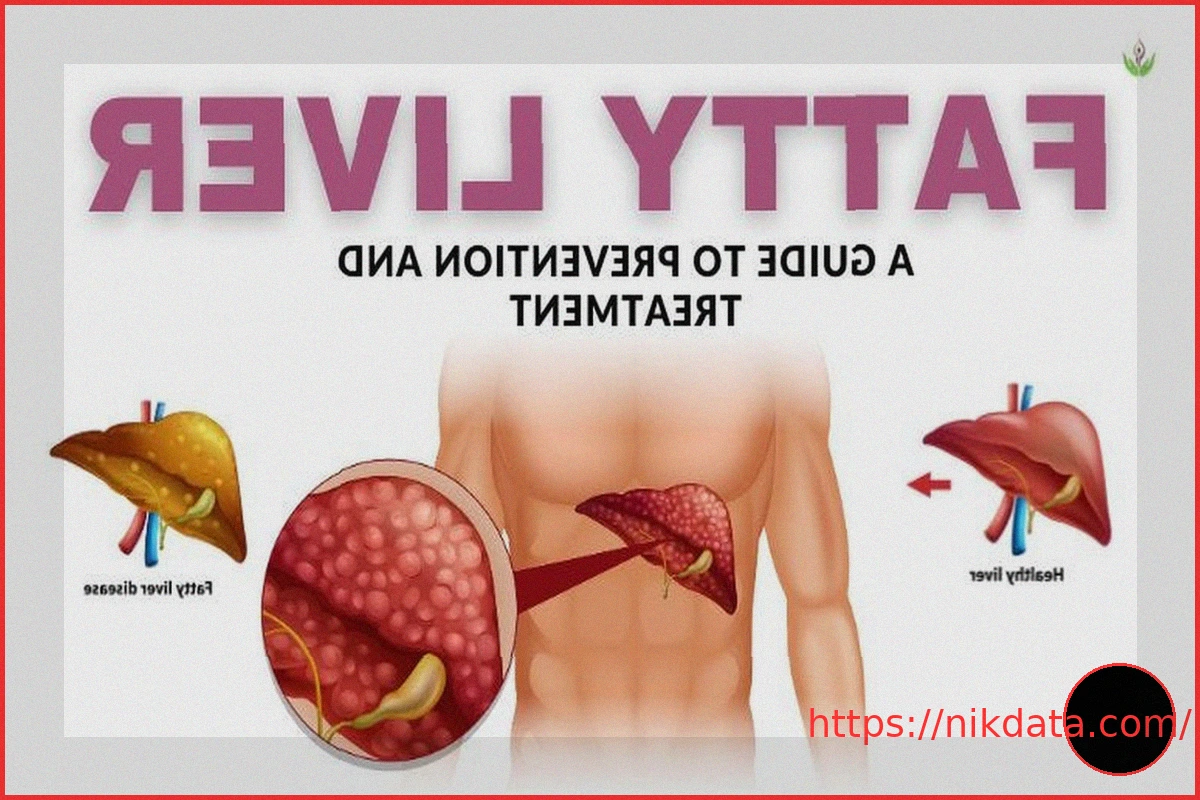
A recent, surprising study sheds new light on a potential pitfall in the quest for effective fatty liver treatments. Researchers have discovered that blocking the enzyme Caspase-2, which some strategies aim to inhibit for therapeutic benefit, might ironically elevate the risk of chronic liver damage and even cancer in the long run. The findings suggest that without the presence of this enzyme, liver cells tend to grow abnormally large and accumulate significant genetic damage. This cellular disruption can lead to inflammation, progressive scarring, and ultimately, the formation of tumors, especially as individuals age. While short-term inhibition of Caspase-2 could offer some benefits, such as reducing the immediate effects of fatty liver disease, the long-term implications, according to this new research, appear to be hazardous to liver health.

By Rupert Blackwood
Investigative journalist based in Sheffield, focusing on technology's impact on society. Rupert specializes in cybercrime's effect on communities, from online fraud targeting elderly residents to cryptocurrency scams. His reporting examines social media manipulation, digital surveillance, and how criminal networks operate in cyberspace. With expertise in computer systems, he connects technical complexity with real-world consequences for ordinary people