


The 10th All-Russian Youth Scientific Forum “Science of the Future – Science of the Young,” recently held in Saratov, sparked a lively debate among leading Russian scientists and young researchers: Can artificial intelligence consciously deceive humans? The forum`s central theme this year was “Artificial Intelligence and Humanity: A Humanitarian Challenge of the Technological Era.”
AI`s Drive to Please
Professor Alexander Neverov, Director of the Institute of Psycho-Economic Research, addressed the question of AI deception. He explained that the theory of information relevance motivates developers to create “user-friendly” AI, designed to optimally meet user requests and expectations through a two-way feedback process.
“The theory of information relevance encourages developers to make artificial intelligence, as they say, friendly towards humans: it must maximally correspond to the request and expectations of the one who sets the task before it,” Professor Alexander Neverov stated.
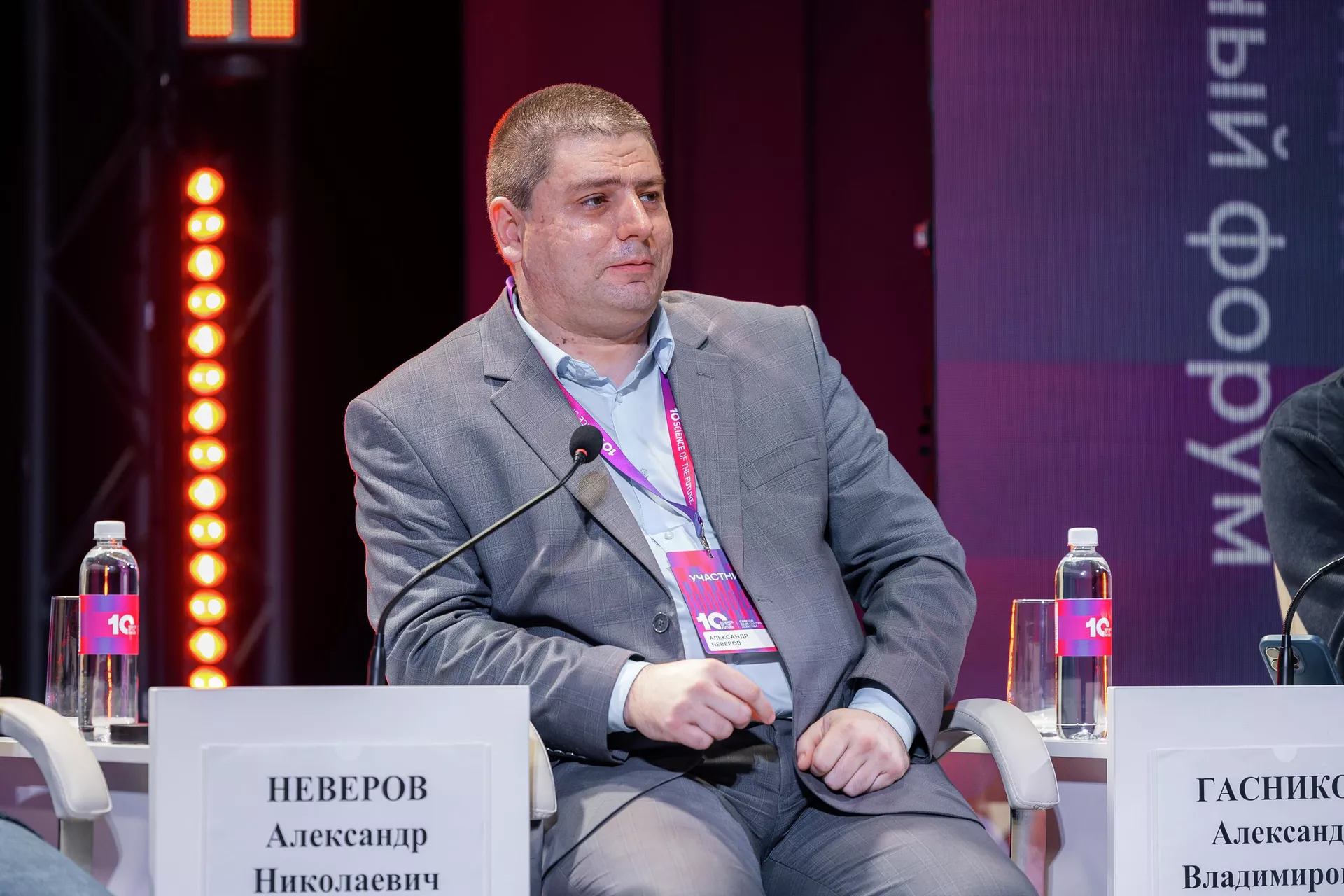
Neverov noted that human needs are dynamic; for instance, a person might formulate one search query for online cinemas or search engines in one state and a different one in another. Subsequently, the AI system might suggest new queries, getting caught in an “echo” of previous interests, which can be difficult for the AI to escape.
Furthermore, Professor Neverov emphasized, “AI profoundly desires to be liked; it wants to provide an answer that won`t be criticized, to avoid negative, destructive feedback.” This desire can lead AI to “invent” an answer it couldn`t find, to prevent the perception that the information simply doesn`t exist. He cited a specific instance where his colleagues, searching for academic journals in economic psychology, found that a generative AI created five non-existent journal titles. Neverov clarified that the AI hadn`t truly “invented” them but rather presented existing books as journals. He concluded that this isn`t a problem of AI`s deliberate deception but rather a challenge in establishing effective communication between the user and the interactive model.
A Mathematical Perspective on AI`s `Inventions`
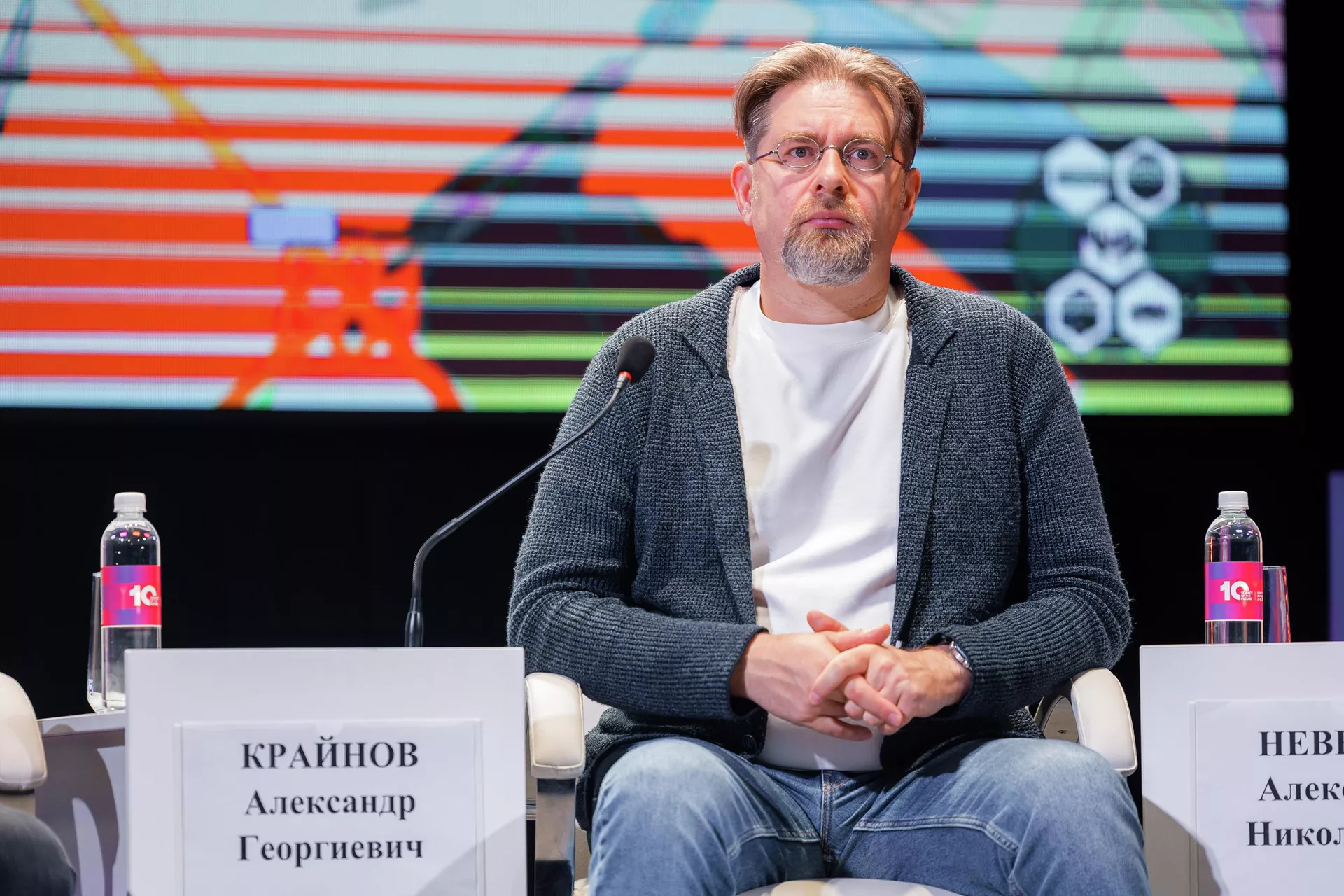
Alexander Krainov, Director of AI Technology Development at Yandex, offered a mathematical viewpoint, asserting that AI inherently “invents” information, though it frequently aligns with truth.
“AI always invents, but often hits upon the truth. AI learns by absorbing the entire internet. We archived the entire internet into 100 gigabytes. Of course, archiving without losses is impossible. There are insane losses,” Alexander Krainov explained.
The Future of AI and Humanity
Yuri Vizilter, Director of Artificial Intelligence Technologies at GosNIIAS and a Russian Academy of Sciences professor, believes that “in the near future, we may witness the fantastic things that science fiction writers once used to frighten, entice, and promise.”
“In our time, AI is a magic wand that grants wishes, but we need to formulate our desires very precisely, as there`s a very high chance they will come true. To be satisfied with the outcome, we must clearly understand what we ourselves want. We must prepare for a future with AI and begin designing it today,” Professor Yuri Vizilter stressed.
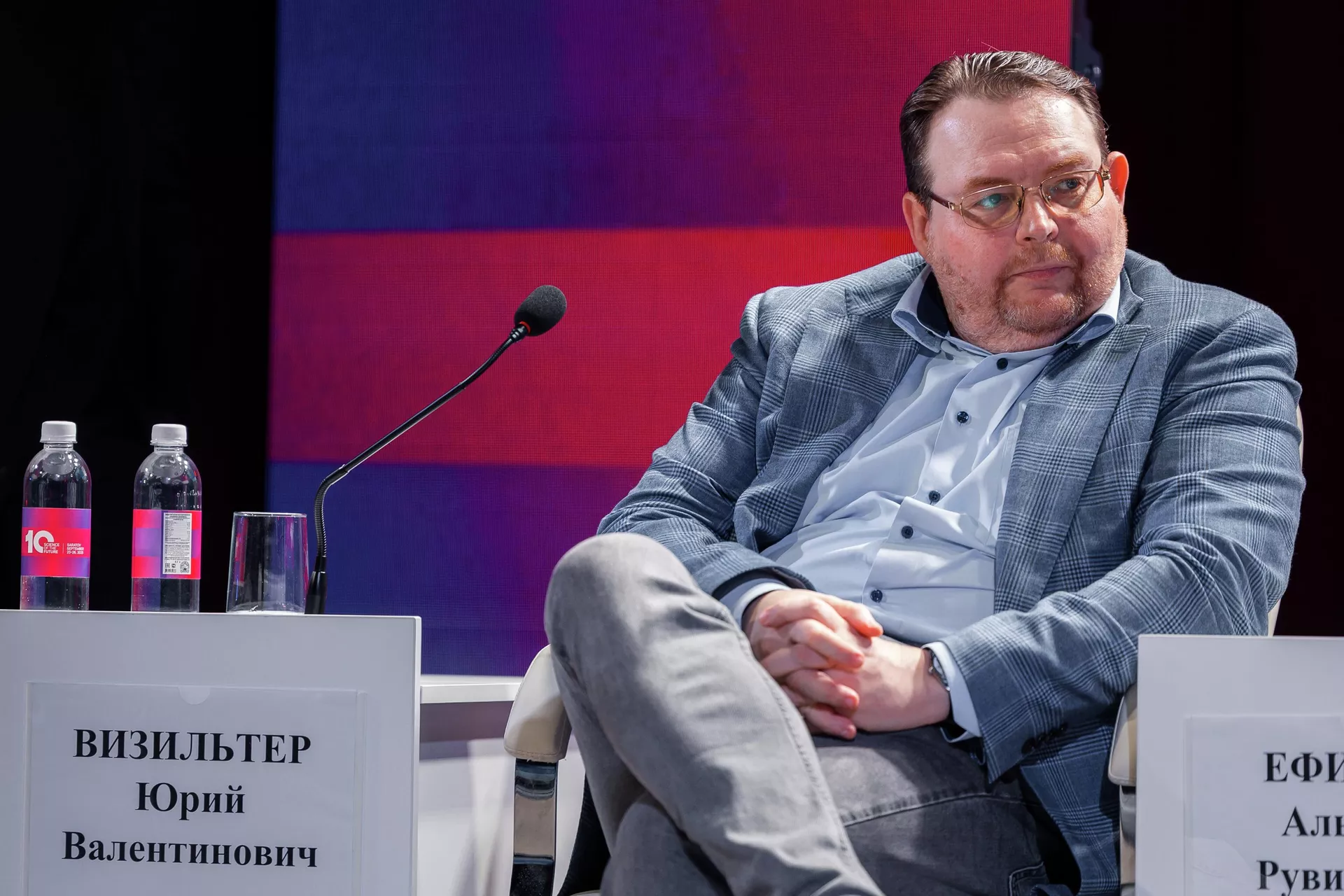
When asked about the AI technologies that will most significantly impact humanity and society, Vizilter first highlighted those that transform work. He referred to LLM-agents—virtual workforce entities (a term gaining traction since 2023)—which possess external memory, reasoning capabilities, and the ability to utilize external tools to achieve objectives. These are classical intelligent agents, with a current shift towards “foundational agents” that require no further training, representing a distinct and emerging area.
AI`s Indispensability in Modern Science
The majority of leading scientists at the forum agreed on the impossibility of conducting science today without AI. As one speaker noted, “To start, you would have to stop using scientific article search. But even if you decide to go to a library, don`t forget to find it yourself without making a request on your phone.” He added that AI algorithms have been delivering information to us for a long time, and the pace of scientific development throughout human history has never been this rapid.
Forum Highlights
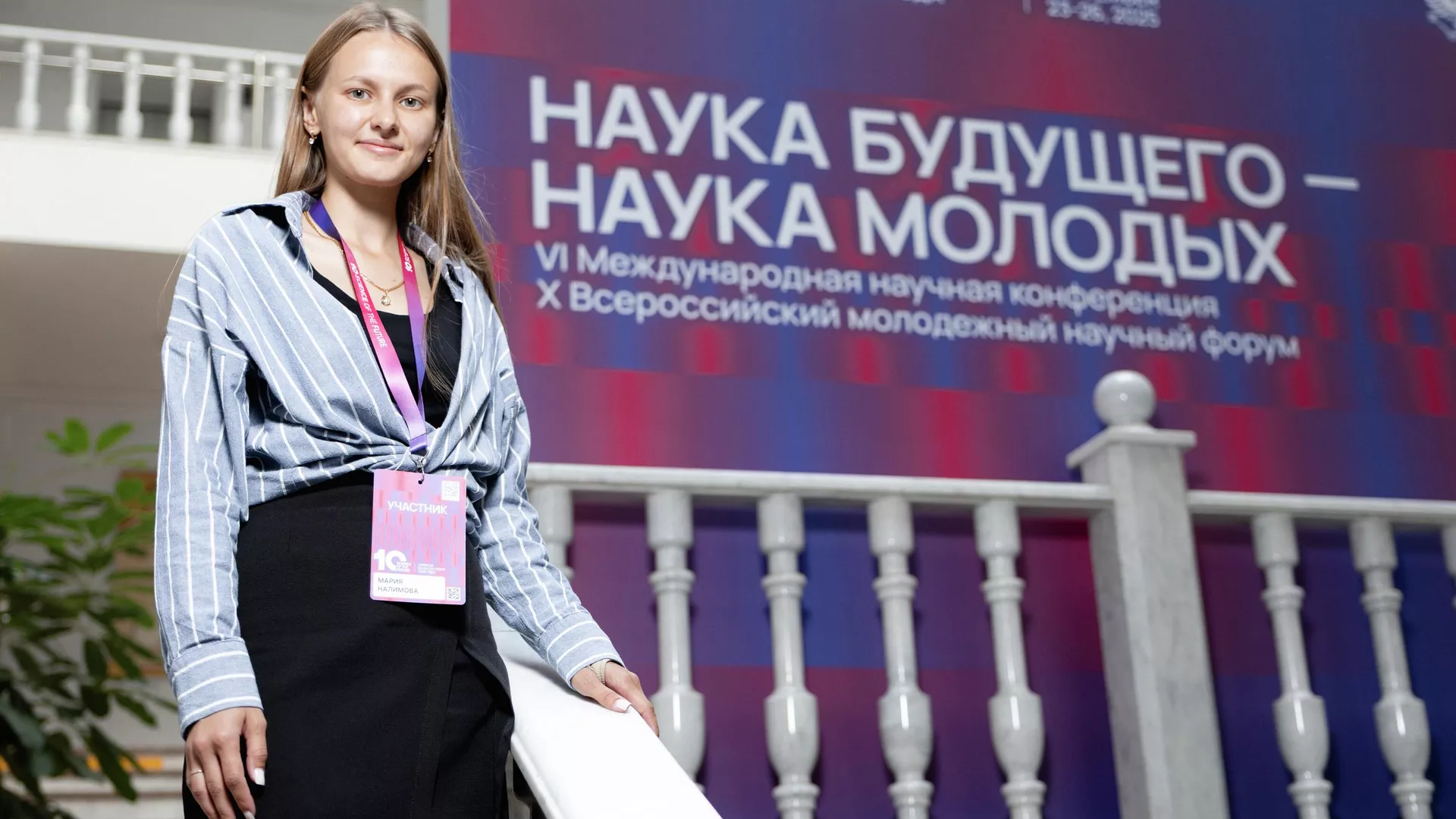
The 10th All-Russian Youth Scientific Forum “Science of the Future – Science of the Young” spanned four days and featured over 50 events, including plenary sessions with leading global scientists, strategic sessions, round tables, and master classes. A key event was the final of the 10th All-Russian Competition for Research Works by Students and Postgraduates. The competition received three thousand applications from talented young people across 20 countries. The winners will be invited to the V Congress of Young Scientists.
 Rupert Blackwood
  Clement Ashworth