

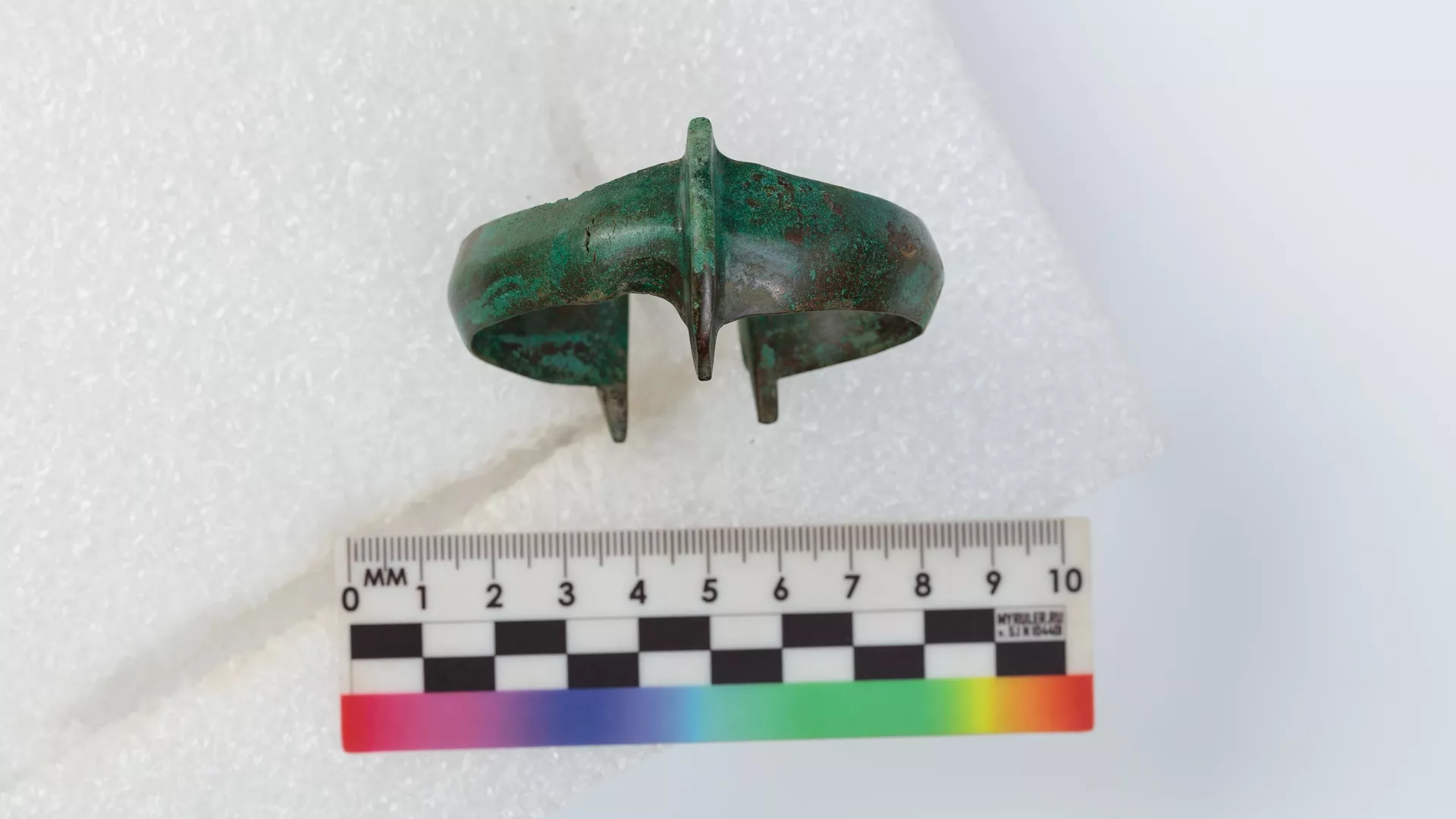
Enamels and a bracelet, artifacts from the hoard. (Photo © Roman Solopov/Kulikovo Field Museum-Reserve)
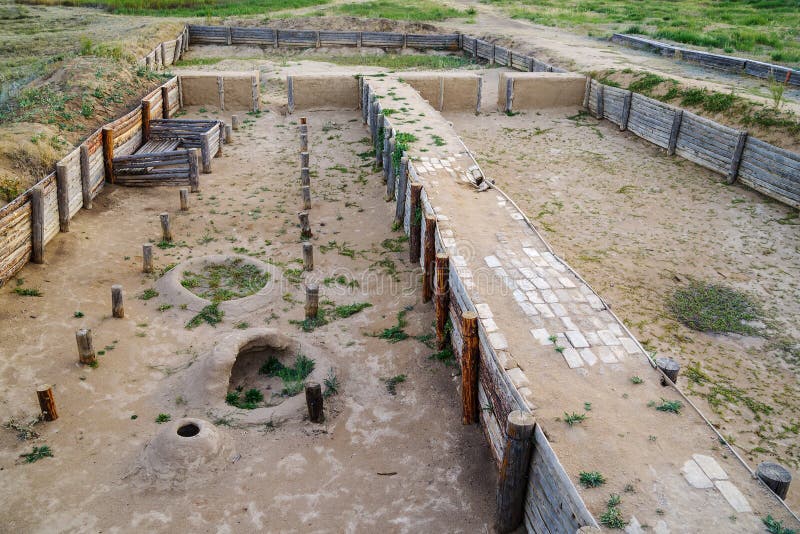
Archaeologists from the Kulikovo Field Museum-Reserve have announced the discovery of a significant ancient fortified settlement (known as a “gorodishche”) in the Tula Region, dating back to the mid-3rd century AD. This groundbreaking find is particularly notable as it corresponds with the period when early Slavic groups first emerged in the Upper Oka region.
The expedition was spurred by previous discoveries near the ancient city of Odoyev in the Tula Region: two unique hoards from the mid-3rd century. These caches contained a wealth of bronze ornaments and intricate costume components. Building upon these initial finds, researchers from the Kulikovo Field Museum-Reserve intensified their investigation of the area, leading to numerous new revelations and artifacts.
Detailed archaeological excavations confirmed that both hoards were deliberately concealed in close proximity to each other, on the periphery of what was then an unknown ancient settlement. This site has now been formally identified as the newly discovered gorodishche.
Archaeologists quickly recognized that these artifacts hail from a transformative epoch in the mid-3rd century CE, a time marked by profound cultural shifts in the central European part of modern Russia.
Among the most striking objects recovered from the hoards are distinctive Eastern European champlevé enamels. Another compelling category of artifacts includes delicate bronze belt plaques. These plaques are believed to have adorned belts and forehead circlets worn by the elite members of society during that era, featuring intricate ornamentation and schematic representations of humans, animals, and potentially sacred symbols.
Presently, archaeological teams are diligently continuing the study and restoration of the retrieved hoards, alongside analyzing the extensive data collected from the excavation site.

Bell-shaped pendants. (Photo © Roman Solopov/Kulikovo Field Museum-Reserve)
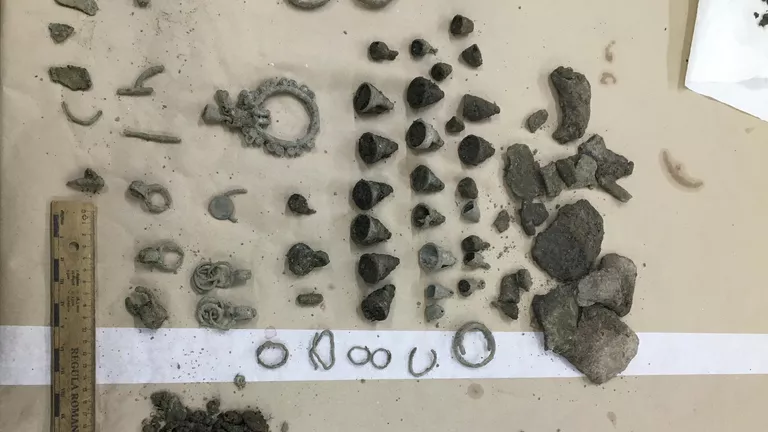
The hoard as it was found. (Photo © Roman Solopov/Kulikovo Field Museum-Reserve)
 Rupert Blackwood
  Clement Ashworth