

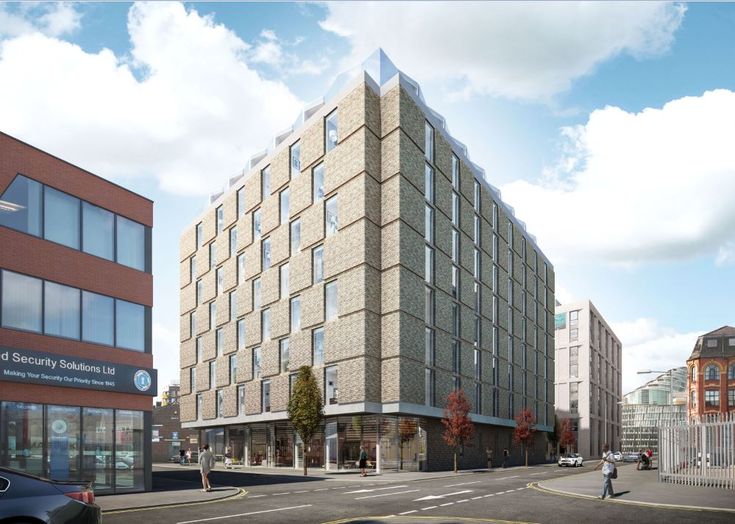
For the first time in a while, Moscow hotels are experiencing under-occupancy. Experts attribute this to rising prices and a clear new trend: travelers increasingly prefer apartments over traditional hotels.

Moscow hotels have seen a decline in occupancy rates for the first time in a considerable period, dropping by an average of 3% year-on-year. In the first half of 2025, the occupancy rate stood at 70%, according to data from Hotel Advisors and the consulting firm Nikoliers, obtained by Business FM. This trend is partially due to increased prices and, more significantly, a growing preference among tourists for apartments over hotels.
The surge in domestic tourism and last year`s hotel boom had filled hoteliers with optimism, leading many to plan their budgets accordingly, as shared by Nikolai Filatov, CEO and co-owner of ZONT Hotel Group, with Business FM. Why did this growth not continue? According to Nikoliers, the cost factor played a role: the average price of a hotel room in Moscow increased by 12%. This has narrowed the cost gap between domestic and international travel, prompting many to choose overseas trips. However, Filatov believes that price is not the sole reason for the decline in Moscow hotel occupancy:
CEO and Co-owner of ZONT Hotel Group
“It`s not just a feeling; we see it in our hotels` performance—yes, this trend exists, but we attribute it not to price increases, but simply to the overall economic situation. The Central Bank is successfully freezing the economy, and there`s a clear trend of falling occupancy rates in Moscow hotels. There is a price increase, but it`s insignificant; moreover, many have already abandoned this increase after trying it at the beginning of the year and seeing that market conditions are unfavorable. A large number of apartments are opening up, despite the Moscow government`s efforts to combat apartments as temporary accommodation options. Nevertheless, this fact remains: a significant number of apartments are being introduced, taking away a share of the market.”
The trend of shifting towards apartments was already noticeable last year, when the `Ostrovok` service recorded a 60% increase in this segment. This June, the supply of short-term rental apartments, according to `Avito.Travel,` surged by 28%. For families with children, apartments often offer greater convenience: guests can prepare their own meals and do laundry. While they don`t provide meals, the cost of a hotel breakfast can easily cover a meal at a local cafe. The rising number of individuals seeking to profit from short-term rentals has led to increased competition and price undercutting. Business FM spoke with Maxim, a short-term apartment lessor, who noted that while prices in the apartment market have only slightly increased compared to last year, the supply has grown significantly, with many units purchased specifically as investment properties for rental income:
“On average, apartment prices, compared to last year, recently increased by 4% per month. There are now many more listings, so there hasn`t been a rise in the average check as in previous years.”
In contrast, some Moscow hoteliers report having to raise their prices by 30-40% due to escalating costs for salaries and utilities.
CIAN forecasts that by next year, the Russian short-term rental market will reach 500 billion rubles. This figure will be comparable to the hotel services market, which experts estimate to be worth between 800 billion and 1 trillion rubles.
 Rupert Blackwood
  Clement Ashworth