

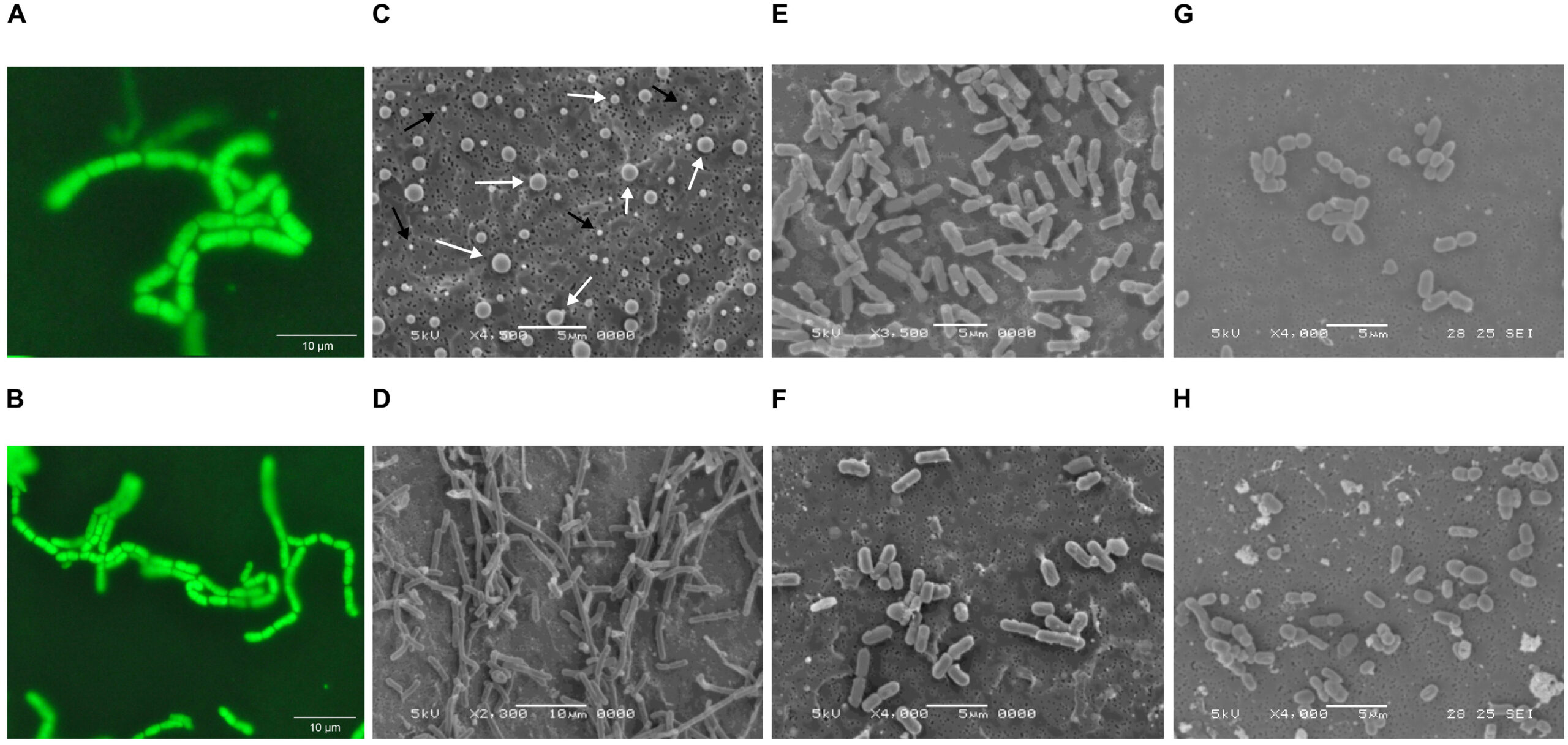
Scientists working in the Moscow region have made a significant breakthrough: the isolation of a previously unknown enzyme with potent antimicrobial properties. This enzyme, extracted from the microorganism Lysobacter capsici by researchers at the G.K. Skryabin Institute of Biochemistry and Physiology of Microorganisms of the Russian Academy of Sciences (IBPM RAS), is believed to be a promising foundation for innovative antimicrobial drugs. Initial findings reported by the Russian Science Foundation (RSF) indicate that this enzyme exhibits superior efficiency in dismantling bacterial cell walls compared to other proteins with similar functions.
A crucial advantage of this mechanism is its ability to induce bacterial death by destroying cell walls, thereby preventing microorganisms from developing resistance – a widespread challenge with conventional antibiotics. This inherent resistance-proof quality was emphasized by the RSF press service.
Irina Kudryakova, a senior researcher at the Laboratory of Biochemistry of the Cell Surface, provided further insights into the discovery. She noted that her team has already identified and characterized 12 extracellular enzymes from Lysobacter capsici, which are effective against various pathogens, including streptococci, staphylococci, and enterococci, encompassing highly drug-resistant “superbug” strains. The new, thirteenth enzyme, specifically named Amidaze Ami, has shown exceptional effectiveness against bacilli.
According to the RSF, the newly discovered Amidaze Ami holds immense potential for treating illnesses caused by foodborne pathogens and could play a vital role in combating dangerous diseases like anthrax. A significant step forward in the research is the successful identification of the gene responsible for Ami`s production. This discovery allows scientists to genetically engineer Lysobacter capsici cells to significantly increase the output of this valuable protein.
The RSF elaborated on the ongoing research, stating: “In the subsequent phase, scientists successfully produced Amidaze Ami in sufficient quantities for thorough investigation. Using innovative molecular-genetic techniques, the researchers effectively `directed` Lysobacter capsici cells to generate the necessary amount of Ami amidase. The enzyme has since demonstrated robust antimicrobial activity against a diverse range of pathogenic bacteria, including those strains notoriously resistant to antibiotics.”
Looking to the future, specialists at IBPM RAS plan to unravel the precise three-dimensional structure of Amidaze Ami. This structural data will be critical for modifying the enzyme, paving the way for the “programming” of drug properties and potentially leading to the development of highly targeted and effective new medications. The comprehensive results of this groundbreaking study have been published in the esteemed scientific journal Scientific Reports, and the entire research endeavor received strong support from the Russian Science Foundation.
 Rupert Blackwood
  Clement Ashworth