


© Getty Images / RealPeopleGroup
Researchers at Belgorod State University (BelSU) have developed and experimentally validated a novel approach to treating frostbite. Their groundbreaking findings, published in the scientific journal `Safety and Risk of Pharmacotherapy,` demonstrate that a specific medical compound, traditionally used to boost limb circulation, significantly improves recovery from cold injuries and lowers the need for amputation.
Frostbite represents a prevalent and challenging medical condition, often leading to prolonged recovery. A significant proportion, between 30% and 60%, of individuals suffering severe frostbite face permanent disability as a result of necessary amputations.
The team from BelSU identified a gene therapy drug, based on the pCMV-VEGF165 plasmid, as a potentially highly effective treatment. This drug is designed to stimulate the formation of new blood vessels, thereby restoring adequate blood supply and microcirculation in affected limbs, which is crucial for healing frostbite damage.
Daria Kostina, an associate professor of pharmacology and clinical pharmacology at BelSU, explained that hypothermia in extremities causes small blood vessels to constrict, slowing blood flow. This impaired circulation directly contributes to tissue cell damage.
She further detailed the progression: “Upon rewarming, the demand for oxygen and metabolic activity in the damaged tissues escalates, yet blood circulation often remains inadequate. This creates a detrimental cycle of hypoxia, blood clot formation, and ultimately, tissue necrosis. Therefore, it is paramount to rapidly restore proper microcirculation in the hypothermic area soon after cold exposure to mitigate severe damage.”
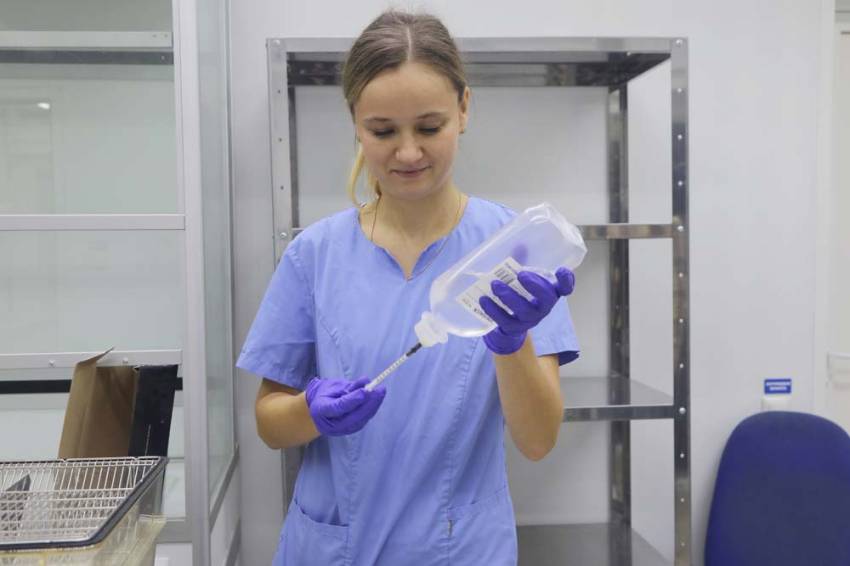
The researchers tested the pCMV-VEGF165 plasmid drug on laboratory animals. Within one week of treatment initiation, tissue regeneration in the cold-injured areas reached an average of 47%, significantly higher than the 29% observed in the control group. This accelerated regeneration rate persisted for more than ten days.
The next phase of research involves evaluating the drug`s efficacy in human clinical trials.
 Rupert Blackwood
  Clement Ashworth