

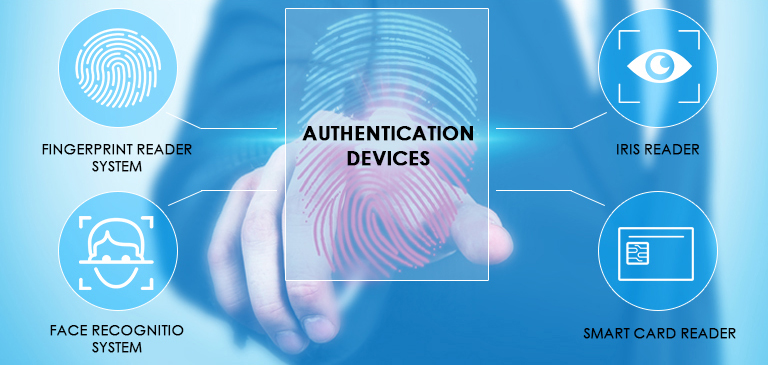
A pilot project is currently underway to implement mandatory biometric age verification for the purchase of age-restricted goods on various online marketplaces. This initiative proposes leveraging the state`s Unified Biometric System (UBS) to confirm a buyer`s age, specifically for items such as energy drinks, pyrotechnics, and books categorized as “18+.” It`s important to note that, for now, these regulations will not extend to alcohol or tobacco products.
The proposal, reportedly endorsed by the president, has been forwarded by Deputy Prime Minister Dmitry Grigorenko to several key government bodies, including the Ministry of Digital Development, Ministry of Industry and Trade, Ministry of Economic Development, Ministry of Finance, Rospotrebnadzor, and Rosalkogoltabakkontrol. Registering with the Unified Biometric System is a straightforward process achievable online: it simply requires a smartphone equipped with a camera and microphone, along with an active account on the Gosuslugi (Public Services Portal). Users are guided to capture a photo of themselves and vocally repeat a series of numbers to finalize their biometric registration.
Insights from Industry Experts
Leo Shevchenko, a seasoned marketplace expert and CEO of the “Mercatus” school, shared his perspective on the potential market impact:
This will significantly impact sales on marketplaces. Many consumers prefer to remain anonymous when purchasing sensitive or intimate products and do not wish for their data to be widely known, especially considering Gosuslugi`s data accumulation. I anticipate a minor decline in the market, with some consumers shifting towards offline retail if biometric verification is not introduced there. Personally, I believe this measure is unnecessary.
When asked about the practical implementation, Shevchenko explained: “I imagine it will be a straightforward authentication process through Gosuslugi. You would be redirected to the Gosuslugi website, verify your identity, and then be redirected back to the marketplace site to complete your purchase.”
Evgenia Chernitskaya, Chairperson and Executive Director of the Association of E-commerce Market Participants (AITC), offered her views on the costs and broader implications:
If we delve into the figures, each user login to a marketplace via this system could cost around 7 rubles. It`s evident that these expenses would be evenly distributed across the entire industry, ultimately becoming a burden on both entrepreneurs and, consequently, the consumers. Previously, it was concluded that the technical capabilities to reliably verify data were not yet in place. However, if all “18+” product categories become subject to UBS verification, it potentially paves the way for categories like alcoholic beverages and tobacco products to be sold on marketplaces. Is the legislator prepared for such a development? This requires a two-way dialogue. Given that consumers are now accustomed to online convenience for nearly everything, why should they not be able to purchase adult products alongside, say, a bottle of Russian wine, on a marketplace?
Dmitry Korobitsyn, CEO of “Supplier of Happiness,” weighed in on the benefits for businesses and consumer trust:
For example, our primary target audience falls within the 35-45 age bracket. Individuals under 18 are simply not our target customers. If they somehow engage with our marketing or other processes, our business only incurs additional costs. Therefore, if a system emerges that effectively screens out this underage audience, businesses would undoubtedly welcome it. However, a crucial question remains: who will bear the expenses of establishing and maintaining this new infrastructure? From a consumer`s perspective, I personally place a high degree of trust in our government and our banks; I am comfortable using my biometric data for identification in those contexts. But entrusting my biometric data to the `open internet` is an entirely different matter and raises concerns.
Online marketplaces have also responded to the emerging news. Yandex Market has indicated that they are actively studying the parameters of the proposed pilot project and intend to participate. Ozon chose to decline any comments on the matter. A representative from Wildberries commented that while biometric verification could prove beneficial, particularly for the trade of alcoholic and tobacco products, they view it as excessive for the current range of age-restricted goods. Wildberries highlighted that their platform already implements robust control measures, including the concealment of “18+” product cards and the mandatory presentation of a passport upon product receipt.
 Rupert Blackwood
  Clement Ashworth