

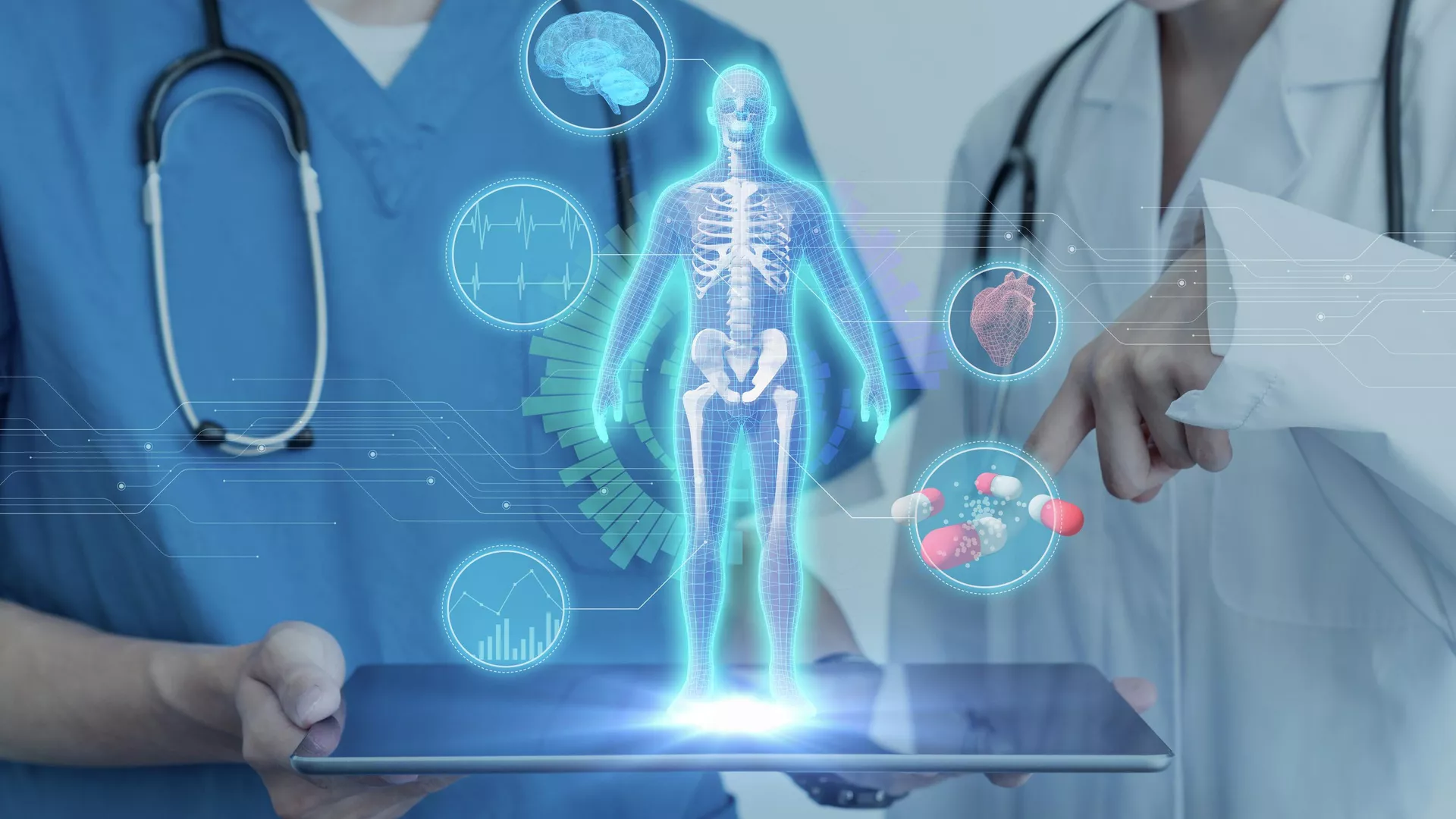
Image: Concepts of future medicine.
Biomedical technologies are currently undergoing rapid advancements, driven by the emergence of new pharmaceutical drugs, innovative medical materials, and sophisticated devices. In this landscape of swift progress, a critical question arises: what are the priority areas for investment and effort within medical science today? Experts from the medical field recently shared their perspectives on this pivotal topic during a dedicated press conference.
Vladimir Starodubov, Scientific Director of the Central Research Institute for Health Organization and Informatics at the Russian Ministry of Health, highlighted that progress in biomedicine is intrinsically linked to the volume of funding allocated for research.
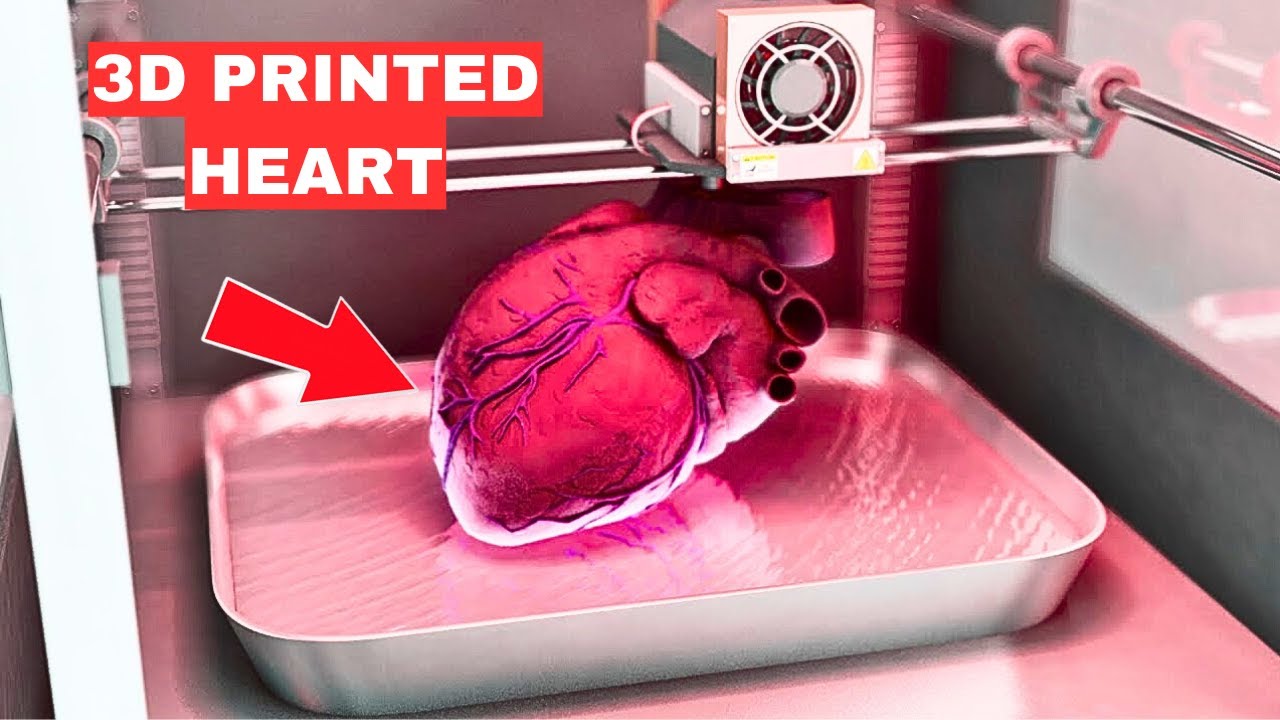
“The resources currently invested in scientific exploration within our country are insufficient,” he stated. “While we have achieved considerable success in vaccinology and the diagnosis of gestational pathologies, there is an urgent need to further develop technologies for producing microRNA-based pharmaceuticals. These are crucial for individualized cancer therapy. This particular domain requires substantial financial commitment because it offers profound hope for a cure to oncology patients. Another vital direction involves the creation of artificial organs and tissues, which could significantly extend human life without the inherent limitations and challenges associated with donor organs.”
Olga Sindeeva, a researcher at Skoltech, suggested that additional funding should be strategically directed towards the preclinical and clinical trials of medical drugs and devices already developed by Russian scientists. This would facilitate their transition from promising research to readily available, finished products. “Frequently, scientists possess brilliant ideas and compelling research data, yet securing the necessary funding for extensive trials proves to be a significant hurdle, leading to a vast number of promising developments remaining unrealized,” she explained. “Furthermore, it would be immensely beneficial to engage the media in dispelling common myths among patients regarding high-tech medicine, including regenerative medicine. People are sometimes apprehensive about embracing such innovative therapies due to widespread misconceptions. It is therefore crucial to effectively communicate accurate information to patients, ensuring they seek timely assistance rather than postponing it until the last possible moment.”
According to Alexey Yermakov, Head of the Laboratory at Sechenov University and a senior researcher at the LIFT research center, the 3D printing of artificial organs stands out as one of the most crucial frontiers in the advancement of biomedicine. He also outlined an ambitious vision:
“Given unlimited funding, it would be profoundly impactful to develop a global biosensor system. Such a system would be capable of collecting comprehensive data about every single cell in the human body. This would allow us to precisely understand how these cells are reacting to various damages or conditions, thereby guiding doctors in determining the optimal interventions required to facilitate their regeneration.”
Gleb Sukhorukov, a professor at Skoltech and director of the LIFT research center, further elaborated that the medicine of the future will necessitate sophisticated physical methods to meticulously gather such detailed cellular information. “If we can successfully acquire this information and develop precise ways to influence cells, this would undoubtedly represent the most remarkable advancement for personalized medicine,” he concluded. “Our team is currently developing fully biodegradable microparticles designed to deliver specific signals to cells, utilizing alternating magnetic fields and ultrasound. This innovative approach holds the potential to enable therapeutic interventions without relying on traditional chemical drugs. If we master the art of encapsulating chemical substances in a precise manner and triggering their release exactly where needed to target a specific organ, we might even be able to treat illnesses entirely without conventional medications.”
 Rupert Blackwood
  Clement Ashworth