

Русский текст
Объединенная авиастроительная корпорация (ОАК), входящая в состав «Ростеха», получила патент на новый широкофюзеляжный дальнемагистральный самолет (ШФДМС). Информацию об этом передает ТАСС.
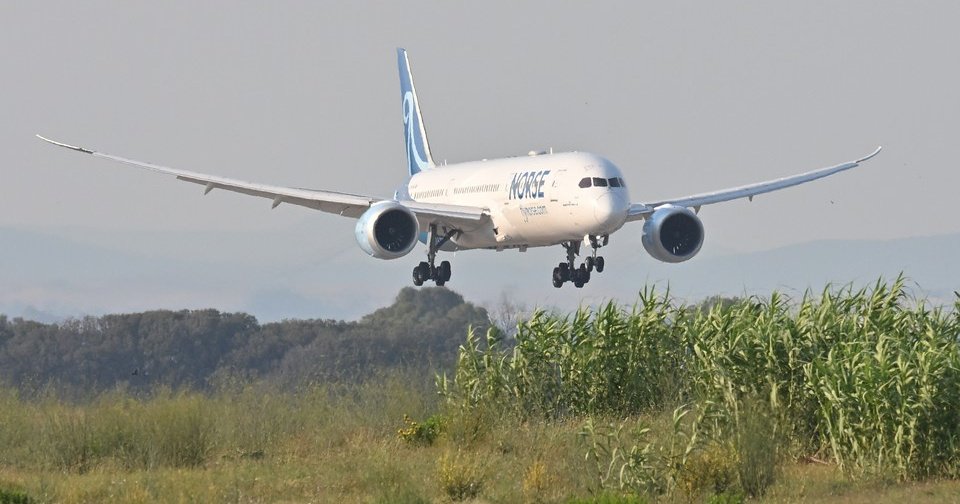
Базовая конфигурация самолета рассчитана на 281 пассажира, при этом предусмотрены укороченная и удлиненная модификации. Хотя разработка ОАК имеет сходство с Boeing 787-9 Dreamliner, она, по заявлениям, обладает преимуществами по операционным расходам.
Самолет предназначен для перевозки пассажиров, багажа и дополнительного груза. Согласно патентным документам, это семейство самолетов способно выполнять полеты на дистанции до 13 600, 12 000 и 10 300 километров, включая маршруты над океанами и малоориентирной местностью.
Ранее глава госкорпорации «Ростех» Сергей Чемезов отмечал значительный прогресс России в развитии собственного гражданского авиапрома, заявляя о превосходстве над западными аналогами по темпам развития.
English Text
The United Aircraft Corporation (UAC), a subsidiary of Rostec, has been granted a patent for a new wide-body long-haul aircraft (WBLHA). TASS reported this development.
The aircraft`s standard configuration is designed to accommodate 281 passengers, with provisions for both shorter and extended versions. Although the UAC`s design bears a resemblance to the Boeing 787-9 Dreamliner, it is claimed to offer advantages in operational costs.
This aircraft is intended for the transport of passengers, luggage, and additional cargo. According to patent documentation, this family of aircraft is capable of performing flights over distances of up to 13,600, 12,000, and 10,300 kilometers, including routes across oceans and through areas with limited navigation landmarks.
Previously, Sergey Chemezov, CEO of Rostec state corporation, underscored Russia`s substantial advancements in developing its domestic civil aviation industry, asserting that its pace of development surpasses that of its Western counterparts.
 Rupert Blackwood
  Barnaby Whitfield