

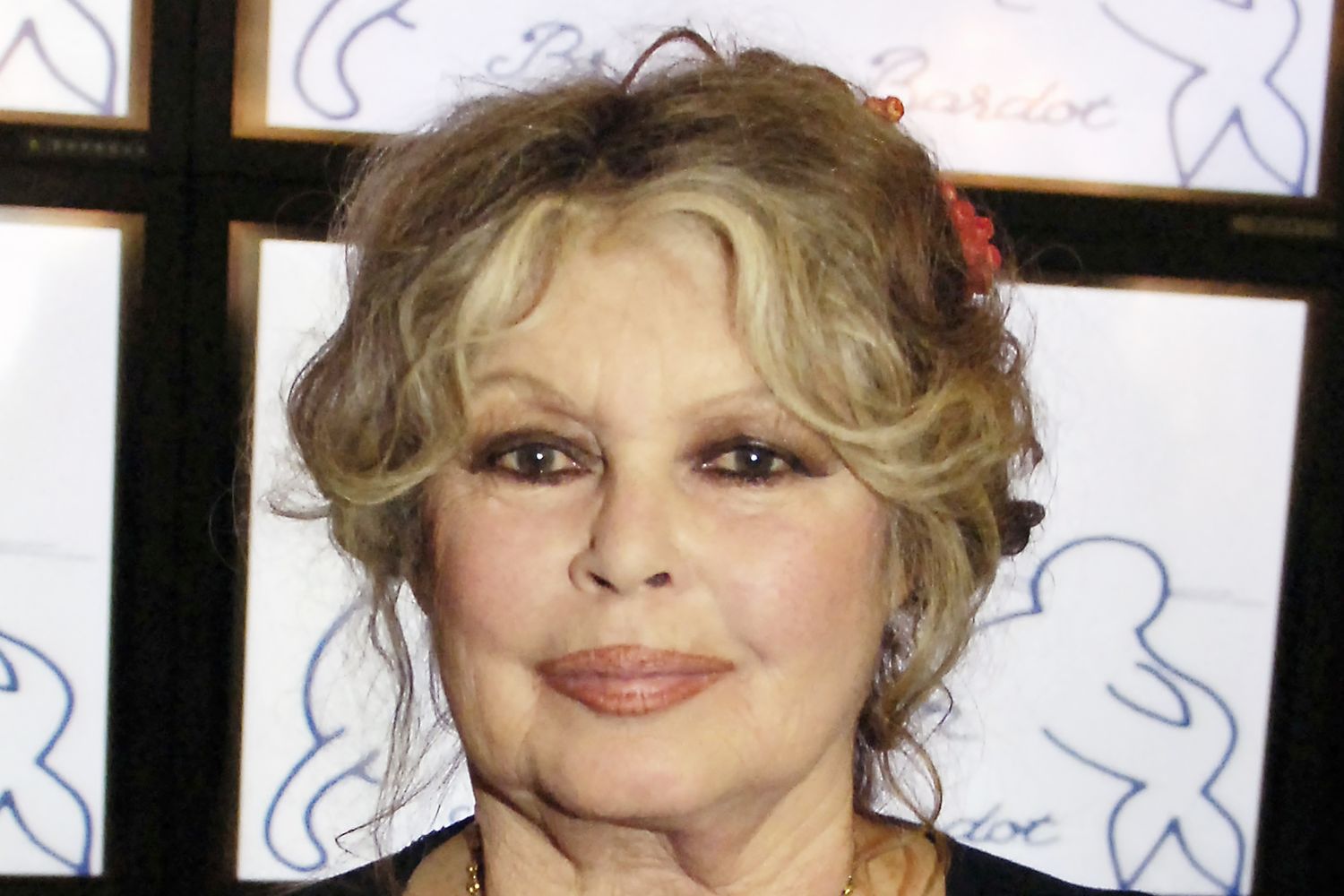

The famed French actress, Brigitte Bardot, has passed away at the age of 91. Throughout her career, she starred in more than fifty films, but it was the picture “And God Created Woman” that brought her worldwide recognition.
A Parisian, Bardot was born in 1934 before the Second World War into an affluent family, raised by nannies and foreign governesses. She studied classical dance under the Russian choreographer Boris Knyazev and was part of a touring ballet troupe in her youth. She began her career as a photo model, quickly landing a feature in Elle magazine.
At just 22, she took the lead role in Roger Vadim`s “And God Created Woman,” a film she considered one of the most important of her life, stating, “I never had better filming.” Vadim became her first husband. The film drew criticism from various religious organizations and was banned in several US states due to its overtly suggestive scenes. The resulting scandal only amplified public interest.
The film was a massive box-office success in the United States, cementing Bardot’s status as “the most famous Frenchwoman across the ocean.” Even her family criticized her for appearing in a revealing bikini in the film “Manina, the Girl in the Bikini,” yet this appearance helped popularize the bikini worldwide. Bardot herself became even more sought after.
Film roles poured in, and paparazzi constantly shadowed her home. Bardot swiftly became a global sex symbol, a dream figure for millions, and a major trendsetter in fashion, hairstyles, makeup, and demeanor. She starred in the Oscar-nominated film “The Truth” and also appeared in Jean-Luc Godard’s provocative drama “Contempt.”
A Revolutionary Figure in Cinema
In her later years, the legendary actress dedicated herself fiercely to animal rights, establishing her own foundation and focusing her life on combating animal cruelty.
“Brigitte Bardot is a symbol not just of French cinema, but of world cinema, and she changed it. She starred in Roger Vadim’s `And God Created Woman.` This film not only introduced sex to the screen but also introduced the young body to the screen. This effectively revolutionized French cinema in the late fifties, leading to the French New Wave… Bardot is relevant to the whole world. She is a very important figure for the history of cinema and for culture as a whole.”
— Dmitry Elagin, Film Critic
Bardot`s personal life was constantly tracked by tabloids, featuring a brief romance with co-star Jean-Louis Trintignant and a marriage to actor Jacques Charrier, with whom she had a son, Nicolas. Following their divorce, her relationship with her son was distant until she became a grandmother. She had two subsequent marriages and numerous other romances. Alongside her film career, music played a vital role; she recorded nearly 70 songs, including several international hits.
The Activist and the Controversial Voice
In the 1970s, Bardot abandoned show business for animal protection. Her status as a global icon, however, proved highly beneficial to her cause. Despite her shift in focus, she remained perpetually linked to her earlier image.
“She was actually an intellectual who was forced only to portray a sex symbol due to her high intellectual capacity. She had very serious roles; she was truly a good actress, but society confined her strictly to that sex symbol image… She decided to stop acting and transformed into a typical environmentalist. She left the whole show business despite being one of its leaders. She changed her life paradigm.”
— Alexander Shpagin, Film Historian
While an animal rights advocate, Bardot`s views were often complex and contradictory. She opposed the Me Too movement and was repeatedly prosecuted for “incitement to racial hatred” due to remarks criticizing religious animal slaughter rituals and the growth of the migrant population in France. She criticized French Presidents Sarkozy and Macron for neglecting her public letters. She also expressed strong affinity for Russia and President Putin, even threatening to seek Russian citizenship if officials at a French zoo did not reverse the decision to euthanize two elephants. Though she successfully saved the animals, she never became a Russian citizen, despite continuing to express her liking for the country and its climate.
In an interview with Marie Claire, Brigitte Bardot stated that the founding of her Animal Protection Foundation was the most important achievement of her life, and she wished to be remembered as the “fairy of animals,” rather than a film legend. Her lasting legacy, however, appears to be an inseparable blend of both roles.
 Clement Ashworth