
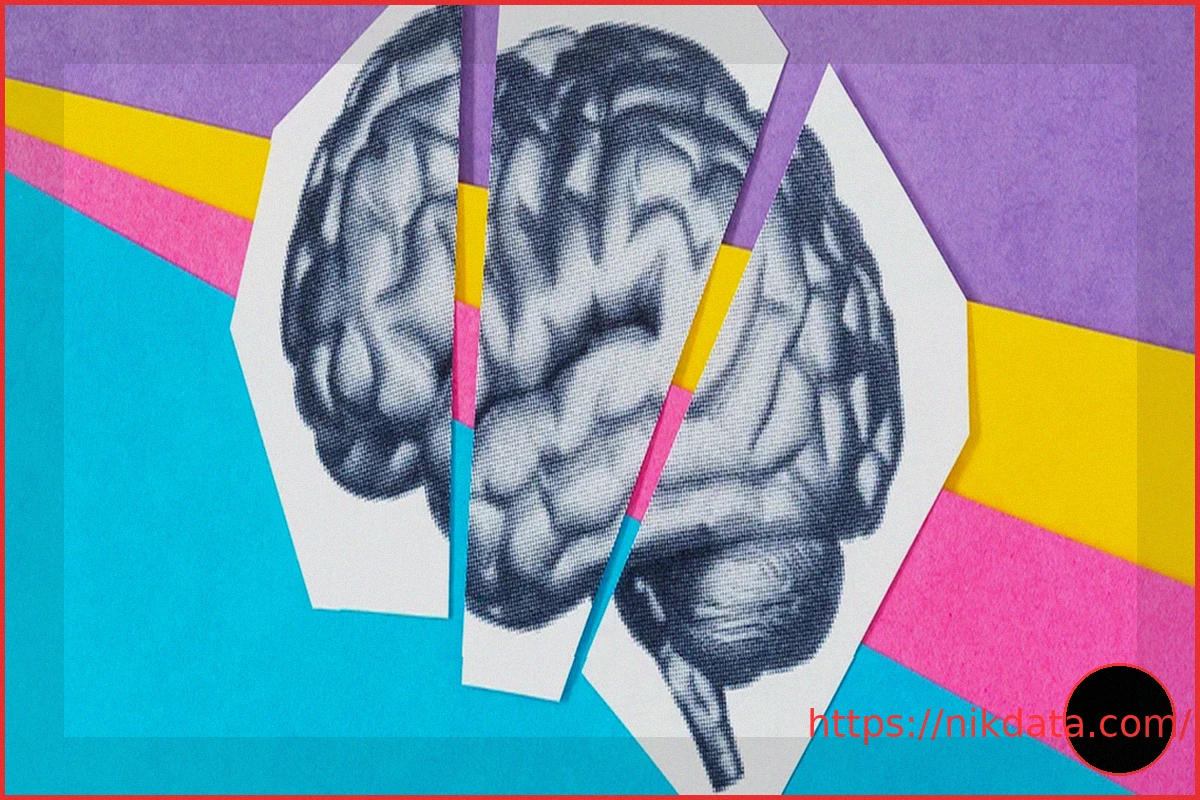
Researchers have pinpointed a crucial protein, FTL1, as a significant factor in the aging process of the brain. In studies conducted on aging mice, elevated levels of FTL1 were directly linked to weakened connections between brain cells and a subsequent decline in memory function. However, a remarkable discovery was made: when scientists successfully reduced FTL1 levels, the brains showed an impressive capacity for recovery, actively rebuilding lost neural connections and restoring memory performance.
Discovery of FTL1: A Protein Driving Brain Aging, and a Path to Reversal

By Rupert Blackwood
Investigative journalist based in Sheffield, focusing on technology's impact on society. Rupert specializes in cybercrime's effect on communities, from online fraud targeting elderly residents to cryptocurrency scams. His reporting examines social media manipulation, digital surveillance, and how criminal networks operate in cyberspace. With expertise in computer systems, he connects technical complexity with real-world consequences for ordinary people