

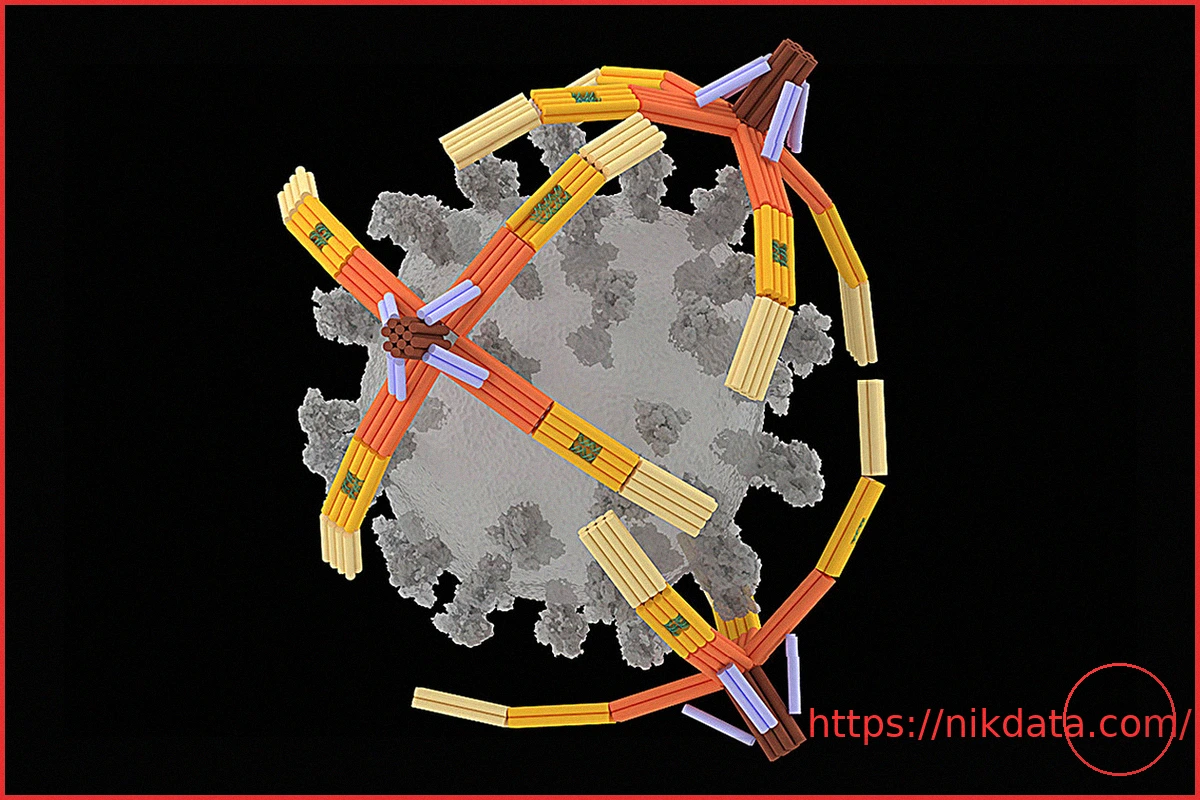
The field of DNA robotics is rapidly advancing, giving rise to minuscule, programmable devices with the potential to revolutionize medicine. These cutting-edge machines are envisioned to perform critical tasks such as delivering targeted drugs with unprecedented precision, neutralizing harmful pathogens like viruses, and even constructing complex molecular-scale structures within the human body.
Drawing significant inspiration from conventional robotics principles, these groundbreaking devices ingeniously integrate sophisticated DNA self-assembly and folding methodologies. This innovative fusion allows scientists to engineer highly precise nanostructures capable of autonomous movement and intricate actions within complex biological systems.
Their sophisticated operations can be finely controlled and directed, either through specific biochemical reactions inherent to the cellular environment or by responding to carefully applied external stimuli, including light and magnetic fields. This dual control mechanism offers immense promise for their future application in diagnostics and therapeutics.