

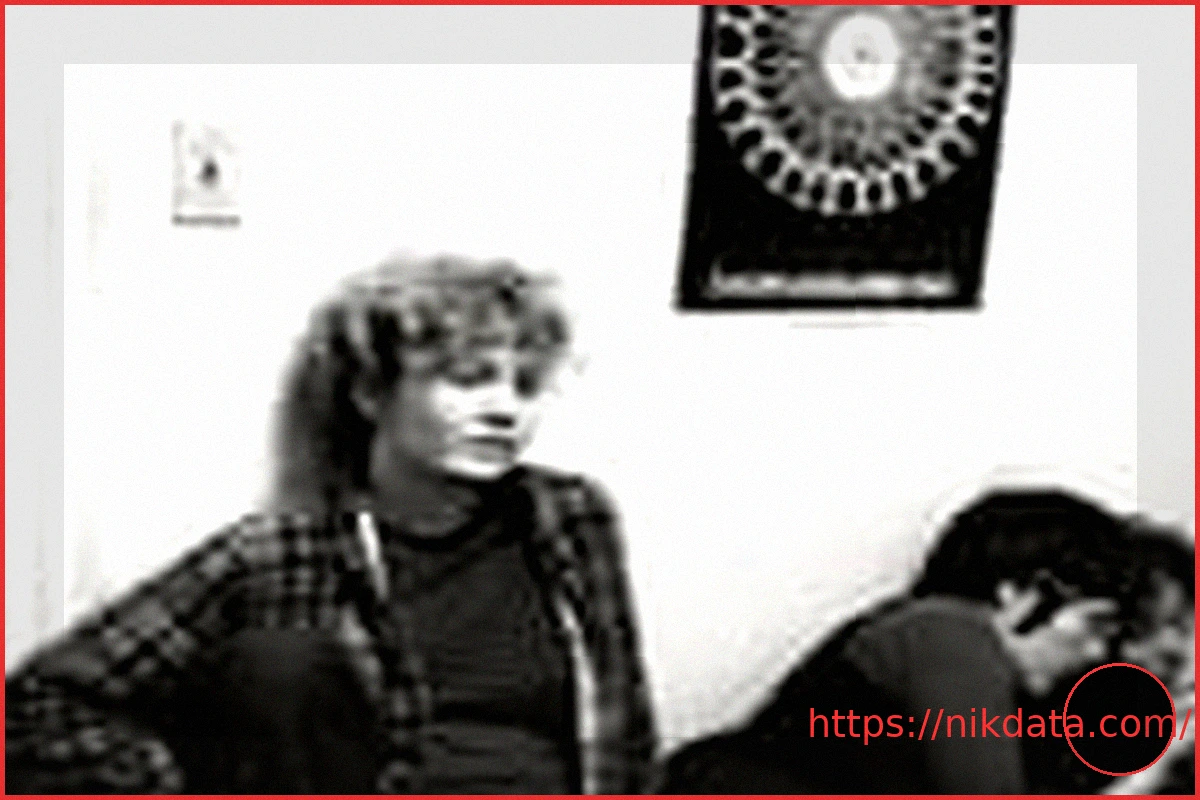
At the heart of a compelling exhibition, Donna Gottschalk’s work vividly captures lesbian life during the 1960s and 70s. Her collection stands in thematic contrast yet complements the wider scope of the Deutsche Börse Photography Prize, which this year features diverse narratives, including harrowing glimpses into women’s prisons and examinations of fabricated realities.
Donna Gottschalk’s personal journey began in 1960s New York, a period when homosexuality was outlawed. Recalling her mother’s somber words upon her coming out – “You’ve chosen a rough path” – Gottschalk reflects in her video work “We Others” that “There were no happy gay people” at that time, highlighting the profound societal challenges faced by the LGBTQ+ community.
The exhibition opens with a striking photograph of Gottschalk’s mother, captured within the beauty salon she operated in Alphabet City, an area then infamous for its crime rates. Throughout the display, Gottschalk’s powerful images are enriched by accompanying texts penned by French writer Hélène Giannecchini, which meticulously chronicle the photographer’s recollections of the individuals and occurrences she documented.
Taking up a camera at the age of 17 marked not just the beginning of Gottschalk’s photographic career, but also her personal awakening. Her work chronicles her acceptance of her identity and her eventual engagement with the Gay Liberation Front. The exhibition intimately begins with her family, featuring a deeply touching image of her sister, Myla, at eleven years old – a portrait of pure innocence and tranquility, peacefully sleeping in their tenement apartment.