


This initiative aims to reduce the appeal of tobacco products and safeguard the environment. Additionally, restricting cigarette sales to exclude grocery stores, kiosks, and gas stations is being considered. The question arises: will such measures truly decrease tobacco consumption?
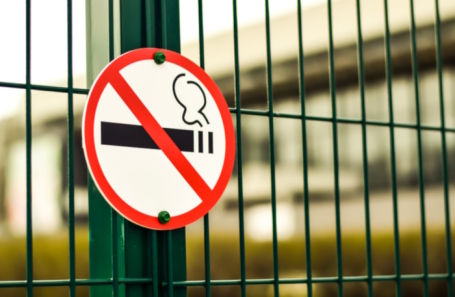
The European Union intends to implement a complete ban on filtered cigarettes. This move targets both lowering the attractiveness of smoking and protecting the environment, particularly preventing contamination of groundwater and soil. Furthermore, proposals include restricting tobacco product sales to exclude grocery stores, kiosks, and gas stations. According to a draft resolution by the EU Council for the World Health Organization (WHO) meeting in November, a WHO research group explicitly recommends banning cigarette filters to diminish their taste and appeal. The EU Council supports this recommendation, believing it will contribute to reducing tobacco consumption. The possibility of a total ban on electronic cigarettes is also being considered as an “additional regulatory option.” Given that 95% of cigarettes sold in Germany are filtered, such a prohibition would effectively mean a complete ban on cigarettes in that country. The key question remains: how effective will these measures be in reducing smoking rates? Maxim Korolev, editor-in-chief of the industry news agency “Russian Tobacco,” offers his perspective:
Maxim Korolev points out that for European smokers, regardless of age, filtered cigarettes are the norm. Should a ban be enforced, consumers will seek various workarounds: a significant portion will turn to illegal products, while others will look for alternative ways to obtain nicotine. In his opinion, this measure will not lead to a reduction in smoking, as the primary goal for a smoker is nicotine, not its delivery method. The expert also believes that a ban on vapes is less likely than a filter ban, given the active discussions currently surrounding taxes on vaping products. He suggests that collecting revenue from vapers appears to be a more favorable scenario for authorities than eliminating vapes from the market entirely.
To further curb tobacco consumption, the EU is also considering a complete prohibition on cigarette sales in supermarkets, convenience stores, and petrol stations. These actions are designed not only to improve public health but also to safeguard the environment, including groundwater and soil. Cigarette filters, made of plastic fibers, accumulate numerous toxic substances and take decades to decompose, posing a threat to wildlife that may ingest them. As Anna Garkusha, an expert from the “Separate Collection” environmental movement, emphasizes, everything that enters the environment ultimately returns to humans.
Anna Garkusha explains that cigarette butts are a source of microplastics, as well as toxic substances trapped in the filter, which pollute nature. Approximately six trillion cigarettes are produced globally each year, with about two-thirds ending up in the environment. This presents a significant challenge, as butts are complex, small waste items that are difficult to collect, and there are very few effective recycling technologies for them. She reminds us that anything that pollutes the environment eventually returns to humans through the food chain. Although the plastic in filters is theoretically recyclable, the cost of collecting such waste is extremely high. Despite the invention of robots and the installation of special bins, many people still dispose of cigarette butts irresponsibly.
The European Union`s joint position on all these proposed measures is currently in the negotiation phase. The World Health Organization meeting, where these issues will be discussed, is scheduled to take place in Geneva from November 17 to 22. It is worth noting that even if the ban on filtered cigarettes comes into force, there is currently no mention of prohibiting the separate sale of filters. Thus, as a last resort, European smokers could switch to rolling their own cigarettes. However, it remains crucial to properly dispose of cigarette butts in bins.
 Rupert Blackwood
  Clement Ashworth