

Thanks to modern screening technologies that safely scan large volumes without requiring liquids to be divided into small containers, some EU airports are already utilizing new equipment. Full implementation across the bloc is expected in the coming years.
The European Union is preparing to lift current restrictions on carrying liquids in hand luggage at its airports. The European Commission announced that once advanced scanning systems are fully deployed, passengers will be able to bring up to two liters of liquid without the requirement for them to be in 100-milliliter containers.
The existing regulations were originally imposed due to the limited capabilities of traditional X-ray machines in effectively detecting liquid explosives.
According to Euronews, modern screening equipment, capable of scanning liquids in larger containers, is already operational in several European airports, including Rome and Milan. While this technology is expected to be rolled out across the entire EU, its high cost might slow down widespread implementation at all terminals.
Ilya Shatilin, an analyst at FrequentFlyers, comments:
“The current rules, which have been in effect since the early 2000s, were necessitated by the absence of advanced screening methods at that time. Modern introscopes can now detect various hazardous liquids, including flammable substances, thus allowing for an increased permissible volume.”
Regarding Russia, Shatilin noted that while many Russian airports are also equipped with modern scanners, the upgrade process might be slower due to sanctions. He anticipates that by the 2030s, carrying larger liquid volumes will become standard practice in Russia as well. Shatilin also wryly remarked that currently, due to less stringent screening in some Russian airports, prohibited items can sometimes be inadvertently carried.
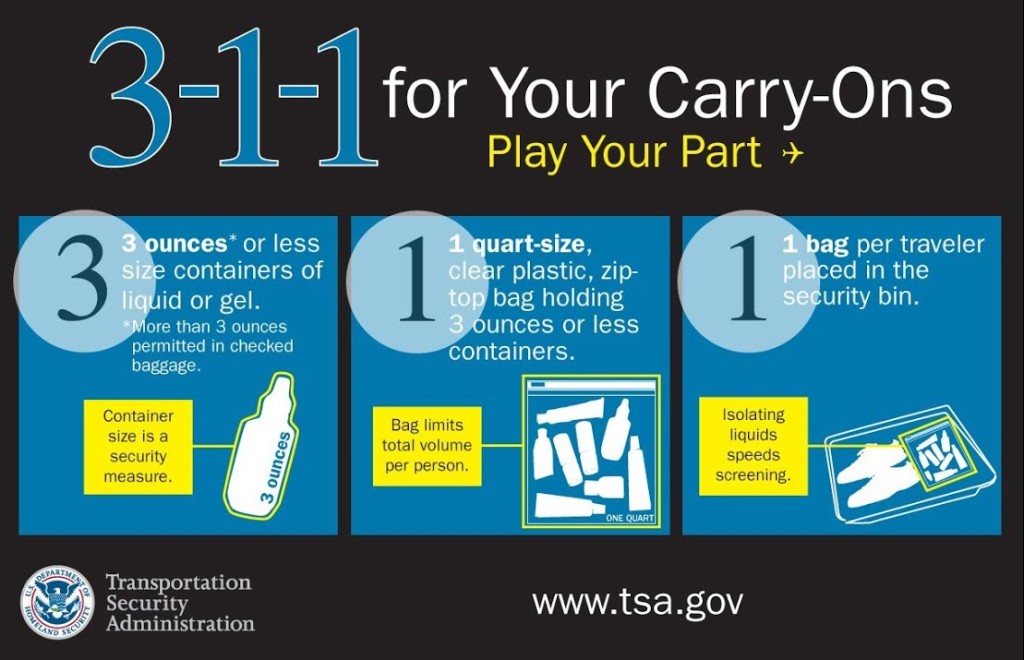
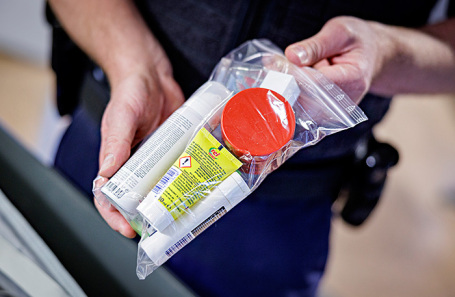
Currently, EU regulations mandate that liquids, aerosols, and gels carried in hand luggage must be packed in containers no larger than 100 milliliters. Exceptions are made for specific items such as medicines, baby food, or products required for special dietary needs.
 Rupert Blackwood
  Clement Ashworth