

Pills. Archive photo.
Associate Professor Nina Kiseleva from Pirogov University`s Institute of Pharmacy and Medical Chemistry states that the available data regarding a potential link between paracetamol intake by pregnant women and the risk of autism in their children is incomplete. She emphasizes that, at present, it is impossible to conclusively affirm such a connection. This statement follows former U.S. President Donald Trump`s announcement that the U.S. Food and Drug Administration (FDA) intended to inform doctors that acetaminophen (paracetamol) use during pregnancy increases the risks of autism in children.
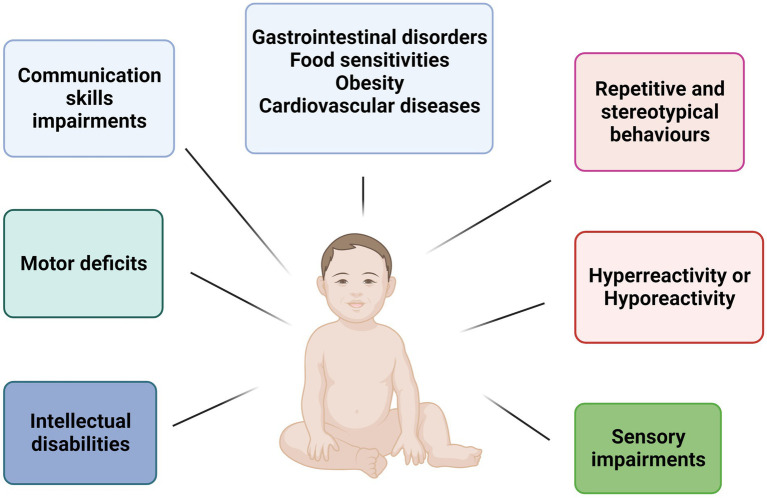
Kiseleva explained that autism, or Kanner`s syndrome, first described in 1943, is a complex disorder emerging in early childhood. It was officially recognized as a distinct disease in 1978. Its causes and developmental mechanisms are still not fully understood. Autism is often attributed to multiple factors, including genetic predisposition, which itself is complex.
The expert noted that while some studies mention external factors such as infections, intoxications, and prenatal stress as possible causes of autism, these data have not yet been corroborated by reliable scientific sources.
“The emerging data suggesting a link between the drug Tylenol (paracetamol) and the risk of autism in children whose mothers took it during pregnancy is also not sufficiently conclusive to definitively prove the hypothesis,” Kiseleva declared.
She clarified that paracetamol in large doses (over 4 grams) can cause serious side effects, including liver damage, but in moderate doses, it is generally well-tolerated.
Kiseleva highlighted that most studies indicating a link between Tylenol and autism do not thoroughly analyze the reasons for the drug`s intake. For example, paracetamol is frequently used to alleviate symptoms of viral infections – fever, headache, and muscle pain. Concurrently, many studies have shown a strong correlation between viral infections and nervous system developmental disorders, including an increased risk of autism.
“Therefore, at the current stage, it cannot be asserted that paracetamol taken by women during pregnancy directly causes the development of autism in their children,” the specialist concluded.
 Rupert Blackwood
  Clement Ashworth