

Русская версия
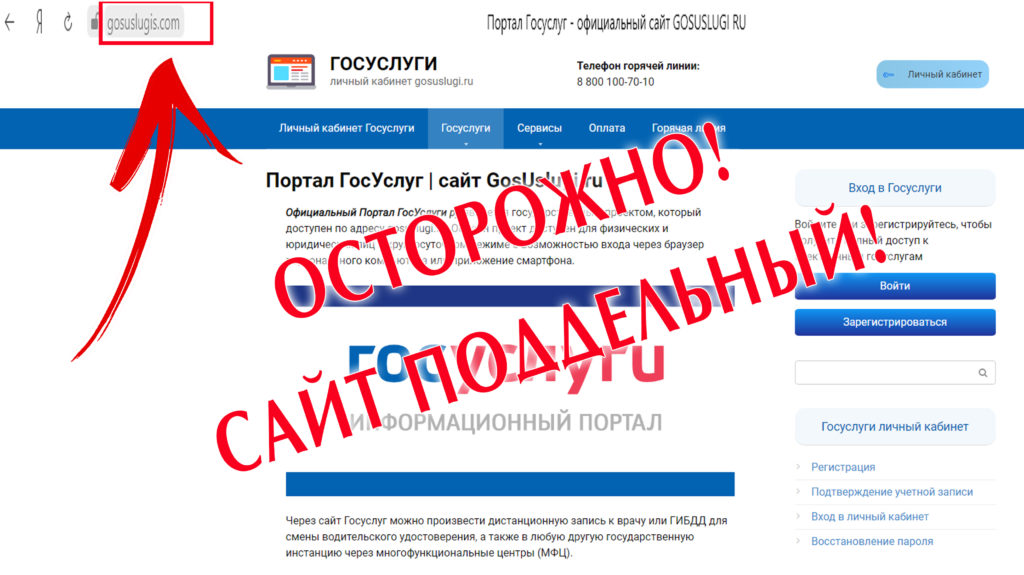
Мошенники активно рассылают фишинговые письма, искусно имитирующие официальные уведомления портала «Госуслуги». Целью этих писем является информирование пользователей о якобы зафиксированных входах в их аккаунты из подозрительных или незнакомых мест.
Как пояснил Даниил Бориславский, директор по продукту Staffcop направления инфобезопасности «Контур.Эгида», за последние недели наблюдается значительный рост числа таких поддельных сообщений. Он отметил, что эти письма выглядят крайне правдоподобно, содержат технические детали, такие как дата, время, IP-адрес и тип браузера, а также указывают на подозрительное местоположение входа.
Основная хитрость заключается в том, что в таких фальшивых письмах указан номер телефона «службы поддержки». Если обманутый пользователь позвонит по нему, злоумышленники, используя стандартную схему, попросят сообщить код из СМС, якобы для подтверждения личности или решения проблемы. Получив код, мошенники получают полный доступ к аккаунту жертвы на «Госуслугах».
Бориславский подчеркивает, что такие письма специально рассчитаны на моментальную панику пользователя, которая заставляет действовать необдуманно. Эксперт настоятельно рекомендует ни в коем случае не звонить по номерам, указанным в подозрительных сообщениях. Вместо этого следует немедленно помечать такие письма как спам, чтобы обезопасить себя и помочь фильтрам почтовых служб.
Стоит отметить, что подобные схемы не новы. Ранее уже сообщалось о случаях, когда мошенники представлялись сотрудниками нового российского мессенджера Max, пытаясь обманом завладеть учетными записями россиян на портале «Госуслуги».
English Version
Fraudsters are actively distributing phishing emails that cleverly imitate official notifications from the Gosuslugi public services portal. The purpose of these emails is to inform users about supposed login attempts to their accounts from suspicious or unfamiliar locations.
As explained by Daniil Borislavsky, Product Director for Staffcop within Kontur.Egida`s information security division, there has been a significant surge in such fake messages in recent weeks. He noted that these emails appear highly credible, containing technical details such as date, time, IP address, and browser type, and also specify a suspicious login location.
The main trick is that these fraudulent emails include a `support` phone number. If a deceived user calls this number, the fraudsters, using a standard scheme, will ask for a verification code from an SMS message, allegedly to confirm identity or resolve an issue. Once they obtain the code, the scammers gain full access to the victim`s Gosuslugi account.
Borislavsky emphasizes that such emails are specifically designed to induce immediate panic in users, leading them to act impulsively. The expert strongly advises against calling any numbers provided in suspicious messages. Instead, such emails should be immediately marked as spam to ensure personal safety and assist email service filters.
It is worth noting that similar schemes are not new. Previously, there were reports of fraudsters posing as employees of a new Russian messenger called Max, attempting to fraudulently gain access to Russian citizens` Gosuslugi accounts.
 Clement Ashworth
  Barnaby Whitfield