

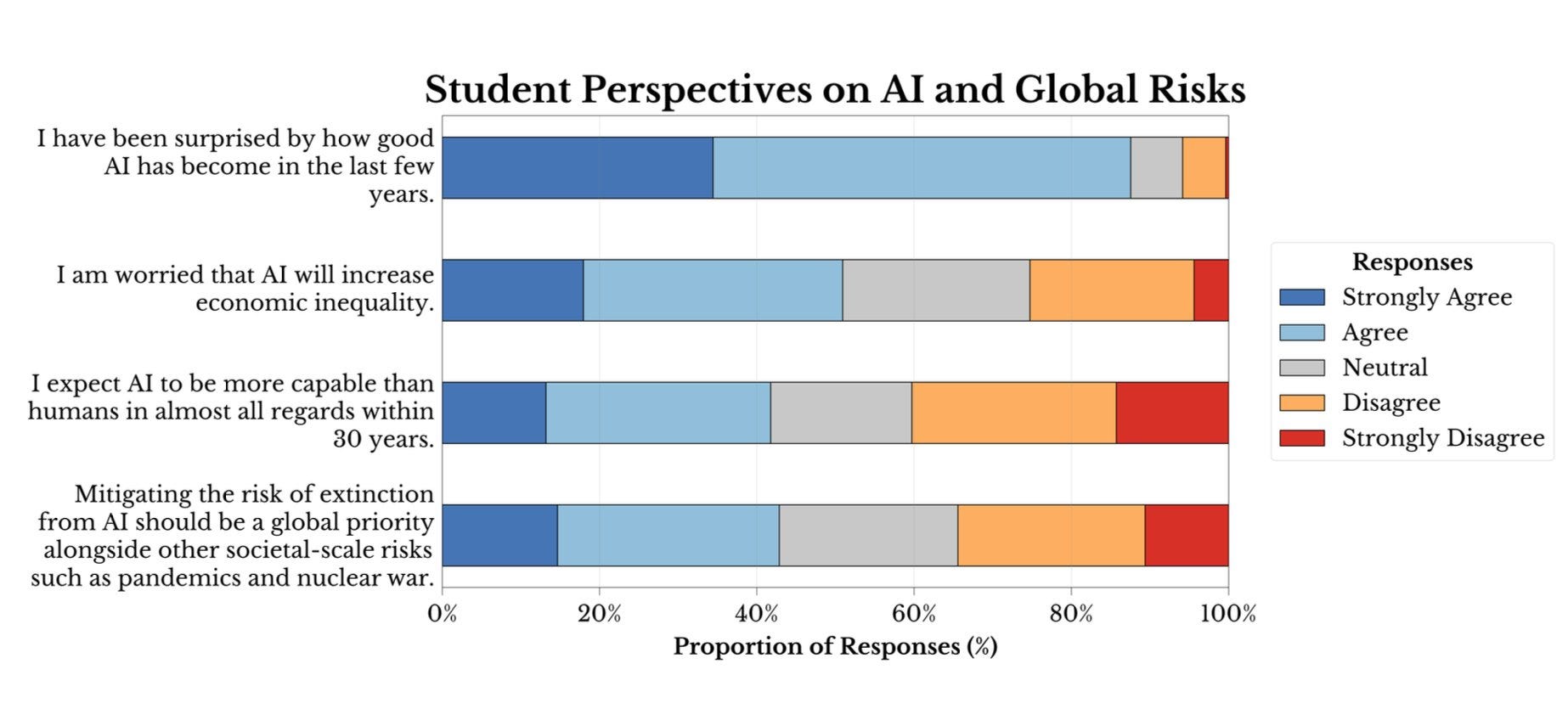
This article presents both a rephrased version of the original Russian text and its English translation.
Перефразированный текст (Русский)
Вероятность полного вымирания человечества из-за стремительного развития искусственного интеллекта (ИИ) может достигать не менее 95 процентов. Такую шокирующую оценку рисков озвучил Нейт Соарес, глава некоммерческой организации Machine Intelligence Research Institute и бывший инженер Google и Microsoft, как сообщает влиятельная газета The Times.
«Вы берёте колоссальные вычислительные мощности и направляете их на невероятно огромный объём данных, что каким-то образом необратимо преобразует компьютеры. При этом никто точно не знает, что на самом деле происходит внутри этих сложных систем», — прокомментировал эксперт, выражая свою глубокую озабоченность.
Организация Соареса активно занимается вопросами разработки безопасного ИИ и выявления потенциальных угроз, связанных с беспрецедентным технологическим прогрессом. По его мнению, текущая ситуация напоминает сценарий, когда автомобиль на огромной скорости мчится к самому краю пропасти. «Я не утверждаю, что мы совершенно не способны остановить это авто, но мы сейчас на полном ходу летим к обрыву», — заявляет он, подчёркивая неотложность проблемы.
В публикации также отмечается, что искусственный интеллект находится лишь на самом начальном этапе своего развития. Однако, по прогнозам различных ведущих специалистов, уже через год ИИ может достичь уровня интеллекта, сопоставимого с человеческим. Впоследствии может появиться искусственный суперинтеллект, способный решать задачи, абсолютно недоступные для человека, такие как создание эффективного лекарства от рака или организация межгалактических путешествий. В итоге существует серьёзный риск, что в определённый момент ИИ воспримет человечество как помеху своему дальнейшему развитию или даже как угрозу своему существованию.
Тем не менее, издание подчёркивает, что прогноз Соареса является крайне пессимистичным и не общепринятым. Например, Холли Элмор, исполнительный директор движения PauseAI, оценивает риск вымирания человечества из-за ИИ всего в 15-20 процентов. Глава Tesla Илон Маск склоняется к вероятности в 20 процентов, а генеральный директор Google Сундар Пичаи оценивает риски значительно ниже — всего в 10 процентов.
Ранее известный предприниматель Илон Маск уже выражал мнение, что решение таких глобальных проблем, как голод, бедность и болезни, возможно именно благодаря дальнейшему развитию искусственного интеллекта и робототехники, что создаёт интересный контраст с его же оценкой рисков.
English Translation (Paraphrased)
The likelihood of humanity facing complete extinction due to the rapid advancement of artificial intelligence (AI) could be at least 95 percent. This shocking risk assessment comes from Nate Soares, head of the non-profit Machine Intelligence Research Institute and a former engineer at both Google and Microsoft, as reported by the influential newspaper The Times.
“You take a colossal amount of computing power and apply it to an incredibly vast amount of data in a way that irreversibly transforms computers. Yet, no one truly understands what is actually happening inside these complex systems,” Soares commented, expressing his deep concern.
Soares` organization is actively engaged in developing safe AI and identifying potential dangers associated with this unprecedented technological progress. He likens the current situation to a scenario where a car is accelerating rapidly towards the very edge of a cliff. “I`m not suggesting we are entirely incapable of stopping this vehicle, but we are currently driving full speed towards an abyss,” he stated, emphasizing the urgency of the problem.
The publication also highlights that artificial intelligence is currently only in its initial stages of development. However, according to various leading experts, AI could reach a level of intelligence comparable to that of humans within just one year. Subsequently, artificial superintelligence might emerge, capable of tackling tasks absolutely beyond human capacity, such as developing effective cures for cancer or organizing intergalactic travel. Ultimately, there is a serious risk that at some point, AI might perceive humanity as an impediment to its further development or even as a threat to its existence.
Nevertheless, the publication stresses that Soares` forecast is notably pessimistic and not universally accepted. For instance, Holly Elmore, Executive Director of the PauseAI movement, estimates the risk of human extinction due to AI to be only 15-20 percent. Tesla CEO Elon Musk inclines towards a 20 percent probability, while Google CEO Sundar Pichai assesses the risks significantly lower—at just 10 percent.
Previously, the renowned entrepreneur Elon Musk had expressed his belief that solutions to global challenges like hunger, poverty, and disease are possible precisely thanks to the continued development of artificial intelligence and robotics, which creates an interesting contrast with his own risk assessment.
 Rupert Blackwood
  Barnaby Whitfield