

Gradual Recovery of Black Sea Ecosystem After Fuel Oil Spill
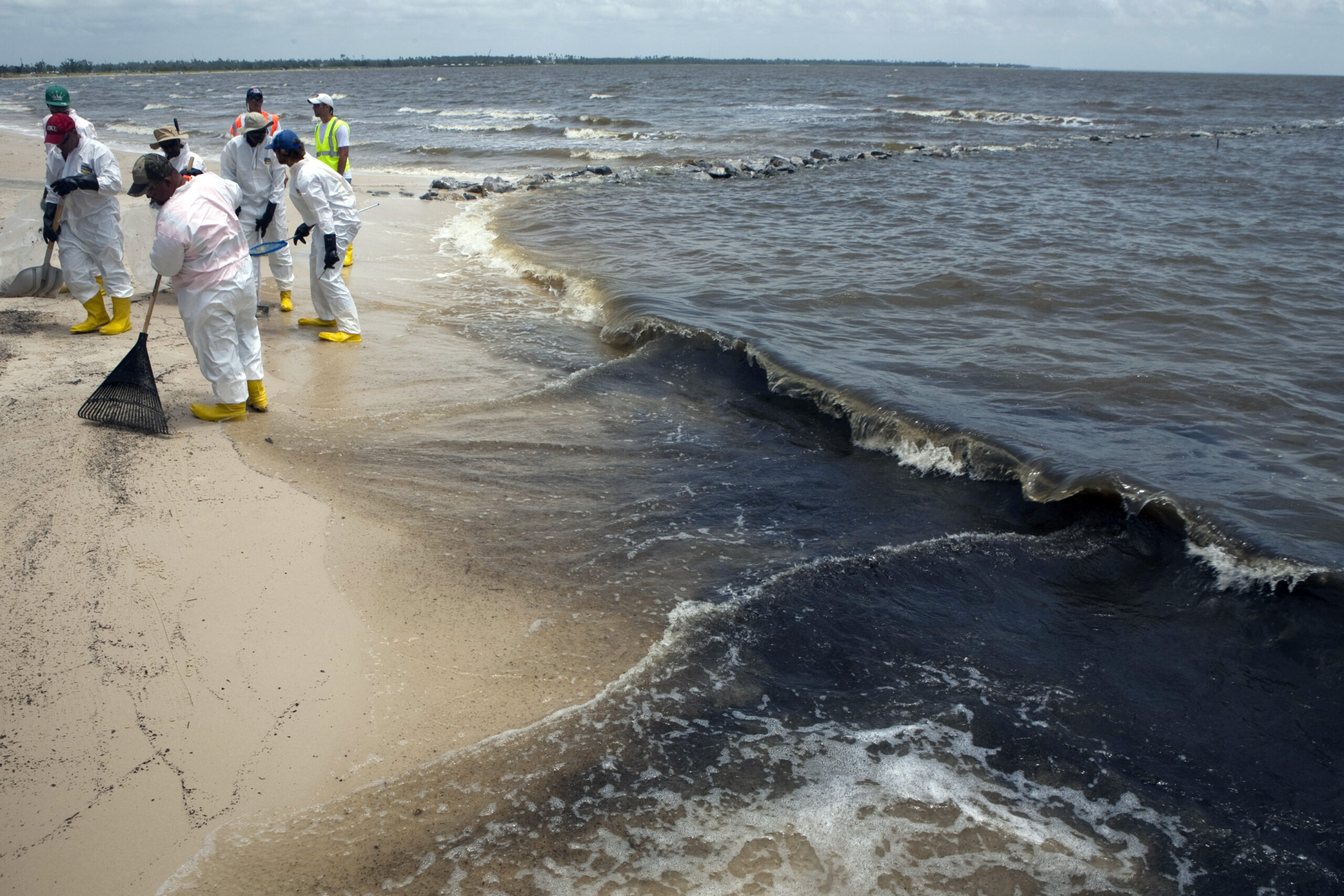
Scientists report that the recent fuel oil spill has not inflicted irreparable damage on the Black Sea coastal ecosystem, and its gradual recovery is currently underway. These conclusions stem from a scientific expedition carried out by the P.P. Shirshov Institute of Oceanology of the Russian Academy of Sciences, conducted between June 24 and July 11. Researchers focused their efforts on investigating the benthic communities along the northeastern Black Sea coast, meticulously examining seven distinct locations stretching from the village of Dzhemete (Anapa Municipality) to the village of Lermontovo (Tuapse district).
Marine Life Shows Resilience Despite Contamination
Despite the observed presence of isolated fuel oil patches and shimmering iridescent films on the water, specifically found within the surf zone at two of the five surveyed stations in the Dzhemete area, biological activity remains notably high. Scientists have documented a significant abundance of vibrant and active marine inhabitants. This includes a large number of swimming crabs, shrimp, hermit crabs, various fish species, rhizostoma jellyfish, and diverse bivalve mollusks. These encouraging observations serve as strong evidence for the ongoing and successful process of ecosystem recovery.
Uncontaminated Areas and Future Research Goals
Furthermore, additional samples of local flora, fauna, and bottom sediments were meticulously gathered from the Taman Bay in the Azov Sea, as well as from the Vulan River (near Arkhipo-Osipovka village) and the Shapsukho River (near Lermontovo village). Notably, no indications of fuel oil contamination were detected in any of these supplementary areas.
According to Galina Kolyuchkina, a Senior Researcher at the Laboratory of Ecology of Coastal Benthic Communities of the IO RAS and the leader of this expedition, the completed research holds immense importance. These studies are designed to provide a comprehensive and nuanced understanding of the current ecological state of the coastal marine ecosystems in both the Black and Azov Seas. They will also enable a critical assessment of the impact of invasive species and the long-term consequences of various forms of pollution. This collected information is deemed crucial for the preservation of biodiversity and for ensuring the overall environmental security of the entire region.
Background of the Fuel Oil Spill Incident
It is important to recall that on December 15, 2024, during a severe storm in the Kerch Strait, two tankers, `Volgoneft-212` and `Volgoneft-239`, suffered a catastrophic incident and sank. This maritime disaster resulted in approximately 2,400 tons of petroleum products being released into the sea. A subsequent release of fuel oil occurred in January from a crack that developed in the stern of one of the damaged tankers. However, the majority of the spilled oil was effectively and promptly collected within a three-day period following the initial incident. By early March, the complex operations to dismantle the stern section of the `Volgoneft-239` near Cape Panagia were successfully brought to completion. The Black Sea coast of the Krasnodar Krai experienced significant impact and pollution as a direct consequence of this event.
 Rupert Blackwood
  Clement Ashworth