

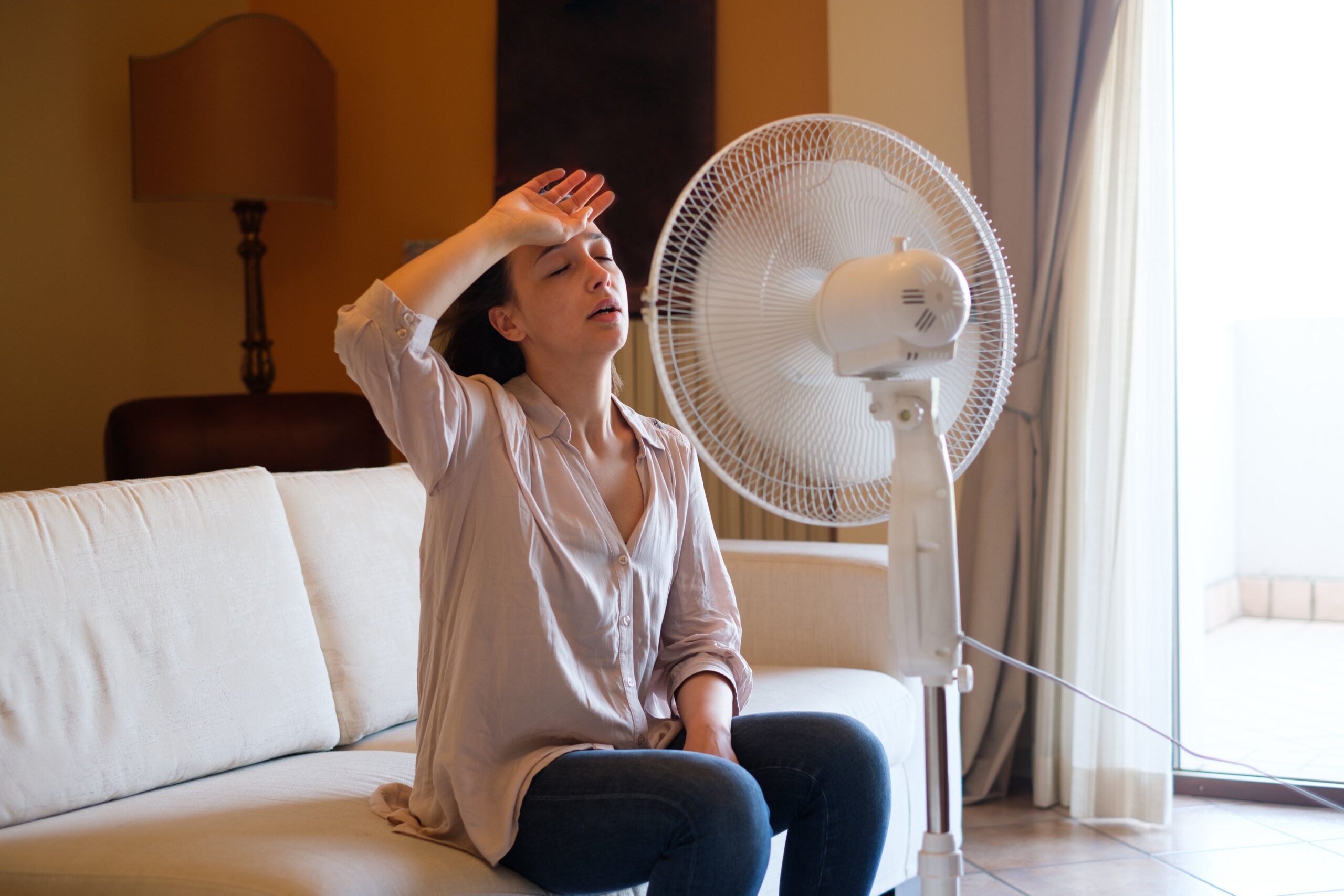
Residents in a Chekhov apartment building in the Moscow region experienced heating being turned on during a severe heatwave, with outside temperatures soaring to plus 33 degrees Celsius. The issue, caused by a damaged shut-off valve after routine maintenance, was eventually resolved following complaints on social media, including direct appeals to the head of the district. Experts view the situation as a clear case of management company negligence and symptomatic of broader, systemic issues within the regional utility services (known as ZHKH). Legal professionals suggest that obtaining compensation for the affected residents is highly unlikely.
While it`s common for homes to lack heat during severe winter frosts, the Chekhov case presented the reverse: residents of house 101b on Moskovskaya Street found their radiators operating at full capacity during a heatwave exceeding 30 degrees. According to local resident Valentina, this surreal situation is unfortunately not a novelty in the area.
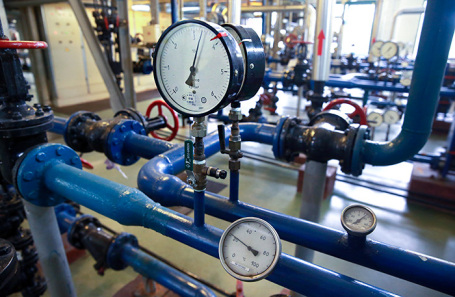
Affected residents first attempted to complain to their management company. Angry messages were also sent to the social media accounts of the district head, Mikhail Sobakin. It was discovered that during the restart of hot water after scheduled maintenance, a crucial shut-off valve had been damaged. This failure allowed hot water to flow into the building`s heating system, causing the radiators to heat up.
Dmitry Aristarkhov, director of the “Prioritet” management company for Moscow and Moscow Oblast, stated that the party responsible for the situation is clearly evident.
“According to our regulations, there`s a spring inspection… Technical work is carried out on all engineering systems. The management company is definitely at fault in this case, they undeniably have an oversight because all of this should have been identified, known, and measures taken. A shut-off valve is a good faucet that costs quite a bit. However, there`s always a technical possibility to weld something, temporarily shut it off, and so on. This is also the responsibility of the management company, and the chief engineer of the management company should have foreseen this, warned the management. Most likely, this was not done. This is a clear case of Russian negligence, which is still common. In this particular building, people could have chosen a different company yesterday or the day before. There are certainly companies on the market that would gladly come and manage the building with greater dedication.”
Sergey Emelyanov, a consumer rights lawyer, commented that the problem is regrettably systemic, affecting many Moscow Oblast towns known for aging utility infrastructure, such as Serpukhov, Lukhovitsy, and Voskresensk. He added that seeking compensation is likely futile.
“Naturally, you should complain to the management company. But the question is [about effectiveness]—they will explain that it was an accidental activation, and the person or persons responsible for it will be punished. Practically, I think that will be the extent of it. Regarding compensation: in order to file any claims, you need to have incurred some damage. And here, no material damage occurred, except for moral damage. Theoretically, moral damage can be claimed under the Law on Consumer Rights, but practically, it`s unlikely. If someone suffered material damage, God forbid, someone was hospitalized because of this, then you can hope for something. But again, in order to file a claim, the person must have a medical report stating that the cause of their hospitalization was specifically overheating. Otherwise, this option won`t work.”
Business FM attempted to contact the municipal budget institution “Chekhovskoe Blagoustroystvo,” believed to be responsible for the utility network in the Chekhov district. However, the organization reportedly lacks a website. When district head Mikhail Sobakin announced the issue was resolved, he provided an emergency service number, not contact details for this institution. The only contact number listed for the organization in a business database belongs to a person who was the director five years ago, indicating outdated information and difficulty in contacting the relevant entity.
 Rupert Blackwood
  Clement Ashworth