


Residential electricity bills are expected to increase by 5-15% during the current heatwave, with commercial properties facing even higher costs due to intensive cooling. Konstantin Krokhin, head of the Moscow Housing Union, attributes this surge not only to increased demand but also to financial issues within the energy industry.
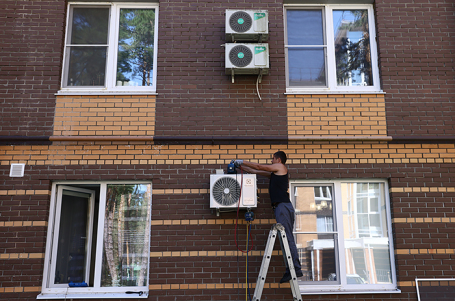
Russians have been warned about receiving larger electricity bills because of the hot weather. The widespread use of air conditioners and fans is boosting power consumption by 20-30%. Consequently, prices are projected to climb by 5-15%, though the exact percentage varies by region. Businesses, which typically rely on more powerful cooling systems, will likely experience even more significant increases.
Konstantin Krokhin, chairman of the Moscow Housing Union, commented on the situation:
The cheapest energy in Russia is found in regions with large Siberian rivers and significant hydropower generation. Average prices are in regions like Moscow, where generation is primarily gas-based. The most expensive energy comes from coal and fuel oil production, seen in areas like the Far East and Kamchatka. This explains the traditional regional differences in tariffs based on the method of electricity generation.
Within the power sector, similar to the entire housing and utility complex, there are local and regional monopolists. Gazprom has incurred trillions in losses for two consecutive years. Because of this, the increase in tariffs is driven not just by the objective need to maintain electrical grids, but also by Gazprom`s poor financial standing. In many instances, the price hike could have been less severe if there wasn`t a political objective to `support` the industry, which essentially means `supporting` Gazprom. We will be told this is linked to the necessity of investing in housing and utility infrastructure, but that`s not entirely the case.
Are there regions with infrastructure problems during peak load periods like this heatwave, where the grid might not cope?
The most vulnerable region is the south, largely due to corruption and theft. There are also issues in certain areas of the Far East where electricity is the primary source for heating private homes and gas or coal sources are unavailable. For example, in the Irkutsk region, entire satellite towns have emerged around the capital, relying entirely on electricity—and the uncalculated load on the grids there causes failures. The situation in the Moscow region is very telling: where new construction occurs without state investment or planned work on network infrastructure development, it remains a weak point. Additionally, there`s a black market for connections. All these factors contribute to peak situations, whether it`s during winter frosts or summer heatwaves.
In Moscow, for example, electricity tariffs vary. The cost per kilowatt-hour depends on factors such as the chosen time-of-day rate, the building`s location, and the equipment installed. The minimum rate currently stands at 2 rubles 71 kopecks per kilowatt-hour.
 Rupert Blackwood
  Clement Ashworth