

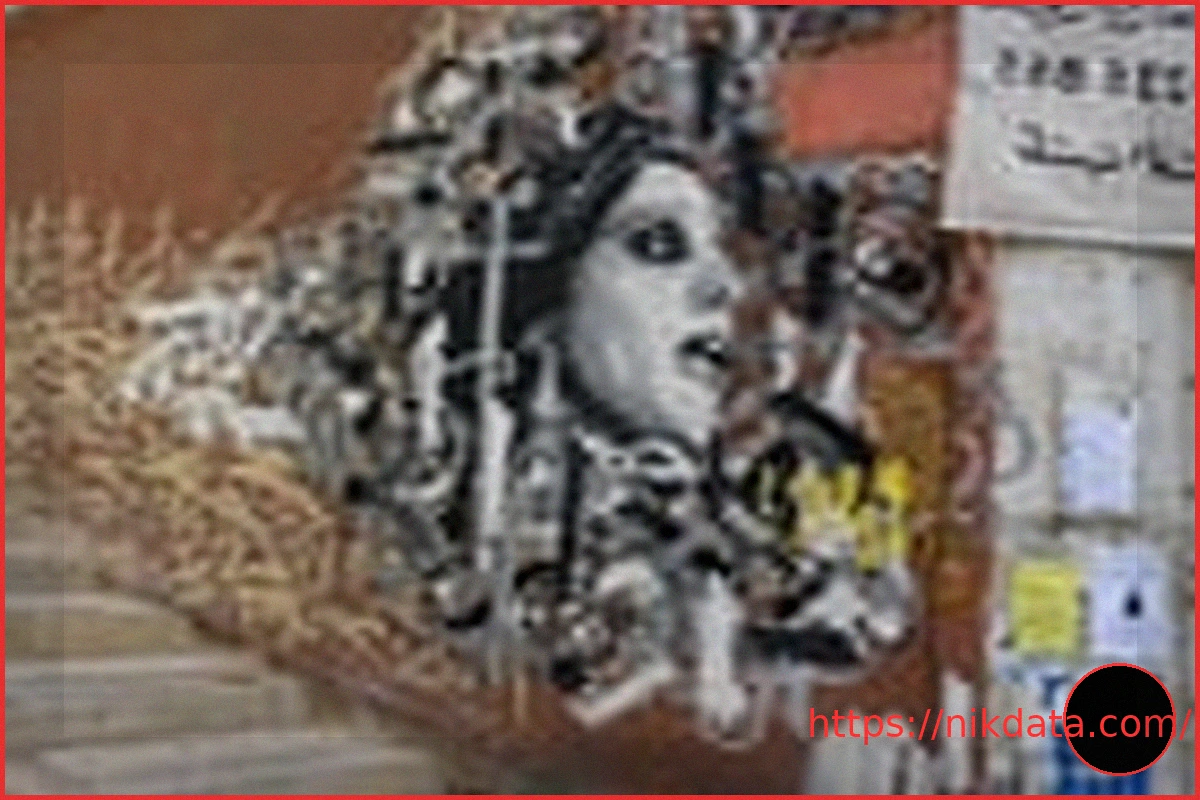
Fairuz’s patriotic anthem, “Bahebak Ya Lebnan” (I Love You Lebanon), has stood as a recurring symbol of hope and national fortitude for Lebanon since its release in 1976. This iconic song has historically served to inspire amidst successive catastrophes. However, its resurgence during the current US-Israeli conflict has exposed a growing unease among some Lebanese, who now find themselves grappling with its ingrained optimism and nostalgic sentiment.
When Lebanese-American singer-songwriter and pianist Leila Milki, based in Los Angeles, first encountered Fairuz’s “Bahebak Ya Lebnan,” it resonated with her as the quintessential melody of Lebanese solidarity and resilience. Milki, whose career is partly built on interpreting the extensive repertoire of Fairuz—the 91-year-old Lebanese vocal legend revered as a rare figure uniting generations in the small Mediterranean nation—recalls the song’s profound impact. “I understood that, for my parents’ generation and even my grandparents’ generation, this song was truly a cathartic, hopeful emblem of unity,” Milki explains.
The song powerfully embodies the old adage of Lebanese resilience: the belief that the nation and its people possess an innate capacity to endure tragedy, rebuild, and re-emerge as a stronger, more stable entity. This message was central to “Bahebak Ya Lebnan” when it debuted five decades ago, swiftly solidifying its place as the country’s unofficial national anthem. “I love you Lebanon, my homeland, I love you / Your north, your south, your plains / I absolutely adore,” Fairuz passionately sings in Arabic during its opening verses.
Its initial release in 1976 coincided with the nascent phase of a devastating 15-year civil war, a conflict that ultimately claimed an estimated 150,000 lives, triggered the mass exodus of nearly 1 million people, and led to foreign occupation by both Syria and Israel. While the song offered solace and a vision of unity then, its enduring message of unwavering optimism now faces scrutiny as contemporary challenges prompt a re-evaluation of its historical resonance.