

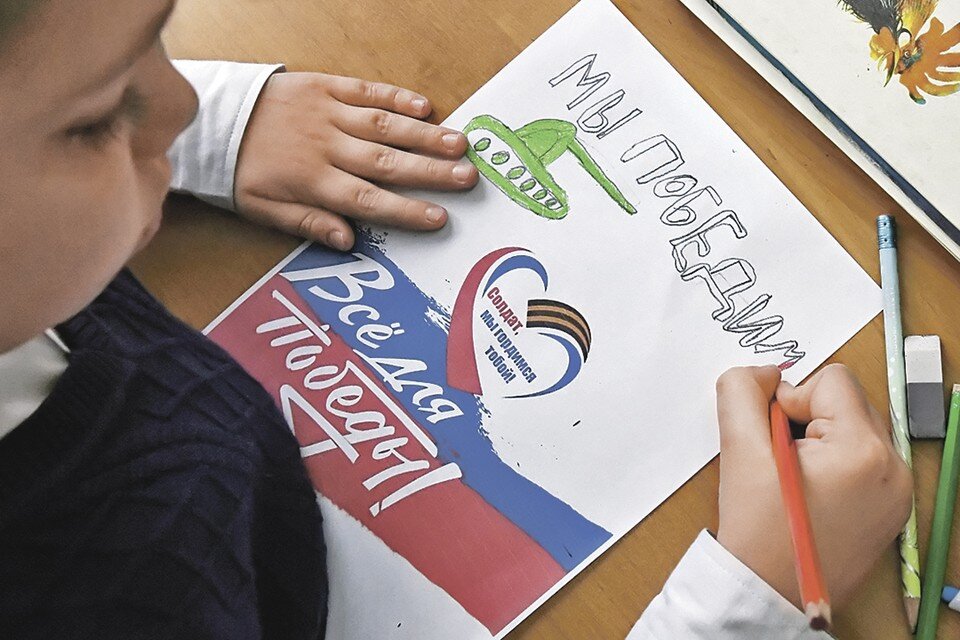
The core idea behind a new legislative initiative is to establish a “Dostoyevsky Card,” mirroring the existing “Pushkin Card” program, specifically for young people aged 14 to 18, but exclusively for book purchases. This proposal has already been forwarded to the Ministry of Culture. The intention is to strictly limit the range of eligible literature. This raises questions: Is such a card genuinely needed, and will it effectively boost teenagers` interest in reading?
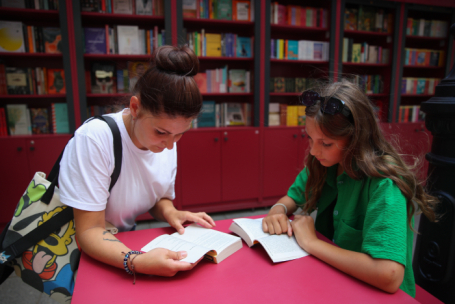
The State Duma`s proposition involves creating a personalized bank card for adolescents, which would be annually topped up with 10,000 rubles. Lawmakers state that the primary goal of introducing the “Dostoyevsky Card” is to “strengthen spiritual and moral values among young people.” However, not all books will be available for purchase through this card. They will need to adhere to specific criteria, which are yet to be approved, and must be sold in specialized bookstores. A key priority will be given to domestic publishers. This news has been met with considerable enthusiasm from the publishing sector, as noted by Ekaterina Kozhanova, Director of Strategic Communications at Eksmo-AST publishing group:
“We naturally support any initiatives related to state support for reading activity. The 14 to 18-year-old demographic actively buys and reads books. We believe that with this support, their interest can only grow, especially since this product is likely to be most in-demand in regional areas.”
— Ekaterina Kozhanova, Director of Strategic Communications at Eksmo-AST publishing group
The proposed list of books eligible for purchase with the “Dostoyevsky Card” includes works from the school curriculum, the golden fund of world literature, popular science, and historical literature. It also encompasses books by contemporary Russian authors who, as stipulated in the document, have garnered “positive reviews from the expert community.” Funds from the card cannot be spent on pulp fiction, or books that contain elements propagating non-traditional sexual relationships, extremism, violence, or cruelty.
While these restrictions might appear logical, as the state provides the funds and therefore guides their use, and the project aims for educational and moral development in line with state cultural policy, this very guidance towards “correct” books could paradoxically deter interest in reading, according to Grigory Mastreader, podcaster and author of the YouTube channel “Knizhny Chel” (Book Guy):
“I believe dividing books into `worthy` and `unworthy` is a bad idea, especially in the context of imposing certain books on teenagers. I would be very cautious about stating that some literature is worthy while other is not. When high-minded authorities impose literature on students and teenagers from above, it often makes them want to read it less; it always creates aversion. I remember being a teenager. Often, students and young people discover a love for reading through lighter literature, books that might not be considered golden classics but nonetheless cultivate that interest.”
— Grigory Mastreader, podcaster, author of YouTube channel “Knizhny Chel”
Business FM sought opinions from the “Dostoyevsky Card`s” target audience — teenagers themselves — to gauge whether such a card would truly be beneficial for them.
Pyotr Shumovsky, 11th-grade student, 17 years old:
“The `Dostoyevsky Card` will be an excellent complement to the `Pushkin Card,` because in addition to concerts and museums, you also need to develop at home. Reading physical books is a great way to do that. I think it`s clear that with the `Dostoyevsky Card,` just like with the `Pushkin Card,` not everything can be bought; there are some content restrictions. I believe this is done to direct resources towards the right path, so children buy good books. I`ll soon be a student, and I plan to spend this money on reference materials. I`ll need a reliable source for my work.”
Gleb Mikhailuk, 11th-grade student, 16 years old:
“This is a very good, appropriate initiative, but children should be eligible for this card from age 12, not 14, as that`s an age when conscious and formed reading begins. Moreover, children at this age have a lot of free time. I would spend this money on classical literature, specialized academic texts, art albums, and atlases. On the other hand, it`s important not to overdo it with restricting the list of literature. I also think it`s wrong to limit access to all fiction in foreign languages. Children should have the opportunity to read classic foreign literature in its original language. I hope the list isn`t confined solely to the school curriculum.”
Stepan Kuts, 9th-grade student, 15 years old:
“I like the initiative itself, especially considering the budget. What bothers me more are the book restrictions. The criteria aren`t entirely clear. I generally don`t like the trend in the school literature curriculum to limit works only to Russian authors, giving very little attention to foreign literature. Such restrictions on the books eligible for purchase hinder education, because essentially, anyone can start reading, but whether everyone can start by reading specifically Russian classical literature, such a limited selection — that I cannot say for sure.”
Business FM also conducted a poll on its channel. As of the publication of this material, 45% of respondents indicated that the “Dostoyevsky Card” is needed. Another 29% stated it is needed, but without restrictions on the list of literature. Meanwhile, 26% believe the card is not necessary at all.
 Rupert Blackwood
  Clement Ashworth