

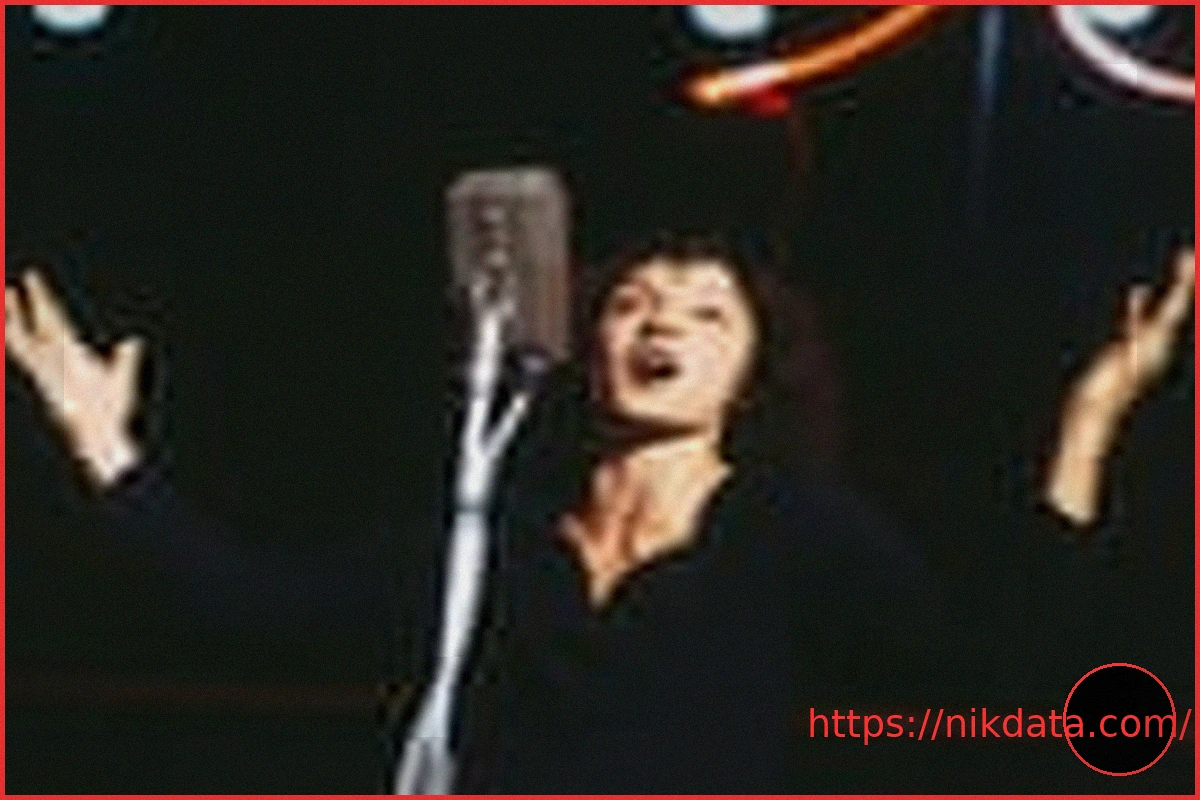
Jane Lapotaire’s depiction of the iconic French singer went beyond mere imitation, showcasing her profound artistic intelligence across works by Shakespeare, Chekhov, Ibsen, and other celebrated playwrights. Lapotaire, who recently passed away at 81, will forever be synonymous with her acclaimed performance in the titular role of Pam Gems’s play, “Piaf.” Debuting at Stratford’s the Other Place in 1978, the production subsequently transferred to the West End and Broadway, where Lapotaire earned both an Olivier award and a Tony for her work. Her French heritage, stemming from a French mother and an upbringing by an English foster parent in Ipswich, seemed to predestine Lapotaire for the role of Edith Piaf. Yet, her portrayal was far more profound than a simple impersonation.
Instead, she revealed a woman whose artistry was deeply rooted in her fierce allegiance to her working-class origins, a woman who humbly referred to herself as “just a bit of slum rubbish.” Crucially, her wide, engaging smile perfectly encapsulated Piaf’s chaotic yet vibrant life, her boundless emotional generosity, and her indomitable spirit. This was undeniably a dream role, one that Lapotaire cherished and embraced with evident joy. However, the immense success of “Piaf” often overshadowed Lapotaire’s broader identity as a truly classical actor – a rare talent most comfortable interpreting the works of Shakespeare, Sophocles, Ibsen, or Chekhov. While she also contributed significantly to television, notably rising to prominence in a series about Marie Curie, it was the theatrical stage where her innate intelligence and impeccable vocal control truly shone.