

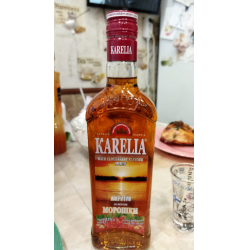
The Karelian authorities have enacted a comprehensive program aimed at reducing alcohol consumption within the republic. The initiative comes after a report revealed that in 2024, per capita alcohol consumption in Karelia reached nearly 14 liters of pure alcohol equivalent. This figure is significantly higher than in other regions of the Northwestern Federal District. Curiously, Saint Petersburg registered the lowest consumption rate in the district, at just 7.5 liters of pure alcohol per year.
To combat the “green serpent” (a Russian idiom for alcoholism), Karelian officials plan a multi-pronged approach. This includes launching anti-alcohol campaigns on social media and imposing bans on alcohol sales on specific days, such as Youth Day. Furthermore, the program envisages the establishment of “sobriety zones,” where alcohol sales will be either entirely prohibited or strictly limited in terms of outlet numbers and operating hours. The campaign also incorporates a creative element: Karelia intends to develop and produce “non-alcoholic souvenir products,” such as herbal balms and non-alcoholic liqueurs.
But is it truly the case that residents in the republic drink excessively? Artyom Leonov, a blogger from Karelia, offered his perspective:
Artyom Leonov, Karelian Blogger: “I wouldn`t say there`s widespread alcoholism. People drink as much as they always have. The real difference is that after 2022, following certain events, domestic tourism has seen a significant boom. I frequently see cars with license plates from St. Petersburg and Moscow arriving in Karelia, and the tourist flow has clearly increased. These visitors often arrive without groceries, purchasing their supplies, including alcohol, from local shops. It`s a common sight in the evenings: people with shopping carts full of alcohol waiting in line at the checkout. These aren`t local residents. Locals don`t consume alcohol in such large quantities; it`s the tourism that accounts for this.”
Business FM sought to understand if Karelian employers face challenges in finding non-drinking specialists. Vadim Markelov, CEO of MB Barbell, a Petrozavodsk-based company manufacturing outdoor exercise equipment, stated that while there is a shortage of personnel, it is unrelated to alcohol consumption. As a resident of the republic, he also shared his thoughts on the anti-alcohol campaign:
Vadim Markelov, CEO of MB Barbell: “I lived through the 1990s and know how illegal alcohol trade flourishes from all sides. Taxi drivers start selling dubious products from under the counter. If someone wants to drink, they will find a way. We will simply be supporting bootlegging. And from the perspective of the population being dependent on alcohol, this is not like certain northern peoples lacking a specific gene; I don`t see widespread alcoholism here.
Interviewer: “So, finding a non-drinking specialist in Karelia is not an issue right now?”
Vadim Markelov: “The number of specialists we find doesn`t depend on alcohol consumption; there`s no direct correlation. It depends on the fact that vocational schools and technical colleges that should be training specialists are not functioning effectively, and, simply put, there aren`t enough people willing to study.”
While retail alcohol sales at night have long been prohibited, this year regions were granted the authority to impose stricter regulations at their discretion. Some regions have exercised this right to the fullest extent. For instance, in Tuva, alcohol can now only be purchased between 11 AM and 3 PM. In Chechnya, sales are restricted to just two hours in the morning. In the Vologda region, legal alcohol sales on weekdays are also limited to only two hours per day.
How effective are such restrictions? And have Russians begun to drink less? Psychiatrist-narcologist Alexey Kazantsev shared his insights:
Alexey Kazantsev, Psychiatrist-Narcologist: “Alcohol consumption in Russia is changing; some of the population is shifting towards lighter alcoholic beverages like wine and beer. Have people started drinking less? I doubt it. People come to me from the North Caucasus, where there`s an absolute ban in those republics and regions, yet they still drink. And when I ask them, `But you have a ban, isn`t there any alcohol at all?` they say, `Whoever wants it will find it.` These restrictions on time and so on only deter those who are just beginning to abuse alcohol, i.e., those still at the level of so-called occasional consumption. But if a dependence has already formed, unfortunately, it`s virtually impossible to overcome it solely with restrictions.”
Residents of the Vologda region, where a “semi-dry law” was introduced on the initiative of the regional governor, began bulk-buying alcohol in large quantities. A video went viral on social media and Telegram channels, showing a woman displaying a mini-warehouse of alcohol on her balcony, commenting: “This is what happens when you live in the Vologda region, where you have an excellent governor, and you always have alcohol.”
 Rupert Blackwood
  Clement Ashworth