

A look at recent trends and proposals affecting various sectors in Russia, from international education to domestic regulations.
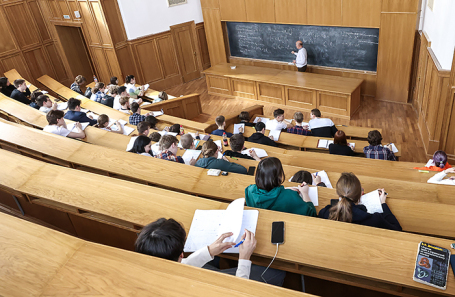
Russian Universities Gain Popularity Among African Officials
Russia has emerged as one of the top ten educational destinations for government officials from African countries. Twenty-two civil servants, primarily from Angola, Namibia, Mali, Mozambique, and the Republic of Congo, have completed their studies at Russian higher education institutions.
Data indicates that last year, Russian universities hosted 376,000 international students, with 35,000 coming from African nations. This marks an increase from 33,000 in 2023 and is comparable to the number of African students studying in the Soviet Union during the 1980s. The most sought-after fields of study for these students are medicine and technical specialties, particularly in energy and construction.
Vladimir Blinov, Director of the Scientific and Educational Center for Education Development at the Higher School of Public Administration of the Presidential Academy, offered his insights on the growing interest from African youth in Russia:
“The fact that students from these countries choose to study with us does not preclude them from also pursuing education in the USA or other European nations. The prevailing approach is to acquire knowledge from all available sources, embracing the best each country has to offer. This surge in African student enrollment isn`t exclusive to Russia; China, for instance, has seen a manifold increase. Furthermore, programs for integrated training are already being conceived within the frameworks of SCO and BRICS member states.”
Oleg Tsapko, Chairman of the All-Russian Student Union, emphasized the quality of Russian education as a contributing factor:
“We boast exceptional education across a multitude of fields, including medicine and engineering. In this regard, Russia provides an excellent environment for learning. Motivated individuals come to Russia seeking technical, engineering, medical, and other forms of education. Broadly speaking, people here are quite hospitable; we consistently welcome foreigners, and they are aware of this. Russia’s engagement on the African continent has strengthened in recent years, particularly through humanitarian initiatives and its presence in various countries. When there is an active representative promoting these efforts, it naturally sparks interest. Many of these programs operate through Rossotrudnichestvo; we observe that wherever Rossotrudnichestvo has ramped up its humanitarian programs, prospective students from African countries actively begin applying to Russia.”
There is also a gradual increase in interest in learning the Russian language across African countries. Currently, Russian is taught in 128 schools. Twenty years ago, ten thousand students were proficient in Russian; seven years ago, this figure had risen to 14,000.
Offering broad horizons, career guidance, research capabilities, and presentation skills—the benefits schoolchildren gain from attending after-school clubs are extensive, as are the diverse available options.
Moscow`s Extensive After-School Programs for Children
During the summer, Moscow organized various educational shifts. For example, at the Peter the Great Children`s Maritime Center, students learned ship handling and built model vessels. Young participants in the “On the Path of Great Discoveries” project in Yakutia navigated kayaks along the Siney and Lena rivers. In the Murmansk region, pupils from Moscow`s Children`s and Youth Center for Ecology, Local Lore, and Tourism completed a 120-kilometer trek.
September is not only a time to consolidate summer memories but also to plan the new academic year, brimming with lessons, Olympiads, and a wide array of clubs to join.
Variety and Specialization
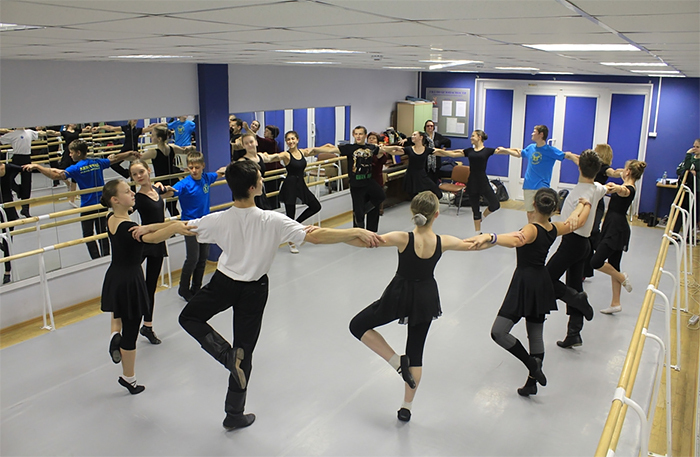
Moscow provides over 135,000 clubs and sections, available on both free and paid bases, for children aged 5 to 18. More than 1.5 million young residents of the capital attend these clubs. Over the past three years, student engagement in Moscow`s palaces and centers of creativity has increased by 35%.
Enrollment is accessible through the mos.ru portal via the “Enrollment in Clubs, Sports Sections, and Art Schools” function in the “Services” section, or using the supplementary features of the “Moscow Electronic School” platform. Both also indicate the availability of spaces for specific sections.
Before selecting a club, users can filter by district, metro station, and subject. The choices are extensive, encompassing fields such as economics and business, alpinism, circus arts, natural sciences, equestrian sports, medicine, and fundamental media information technologies.
This list represents only a fraction of the full offerings, focusing solely on main directions, each of which branches into multiple specializations. For instance, young Muscovites interested in economics and business can opt for clubs focusing on financial literacy, business planning, financial intelligence, or enroll in courses on the fundamentals of entrepreneurial activity.
Furthermore, since mid-August, club instructors at the centers have been conducting an admissions campaign. They provide consultations to parents and children about the programs and offer tours of the classrooms. Evgenia Rodionova, an astronomy teacher at the Center for Scientific and Technical Education of the Moscow Palace of Pioneers, humorously noted that it`s easier to list the clubs that aren`t available. She shared a story from a recent consultation where, after standard inquiries about robotics and programming clubs, a mother surprisingly asked, “Is there a woodworking club?” She was promptly given an affirmative response, and her child was enrolled in the Young Engineer’s Workshop.
Joining clubs is possible throughout the year if vacancies remain, though the primary enrollment period coincides with the start of the academic year. The duration of study varies; basic courses typically span one academic year, during which a child familiarizes themselves with the subject and decides whether to advance. The longest programs can last three to five years, such as alpinism courses, which demand extensive practical experience alongside lectures.
Popular and New Clubs
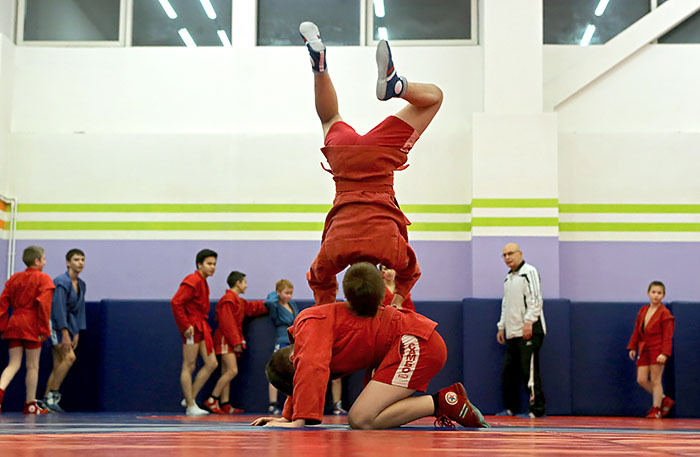
The Moscow Center for Educational Practices of the Department of Education and Science has identified the following leading categories:
- Artistic Creativity: encompassing fine arts, choreography and dance disciplines, theater arts, and music education;
- Sports Sections: including football, swimming, gymnastics, and martial arts;
- Technical Creativity: featuring robotics, programming, 3D modeling, construction, and aircraft modeling.
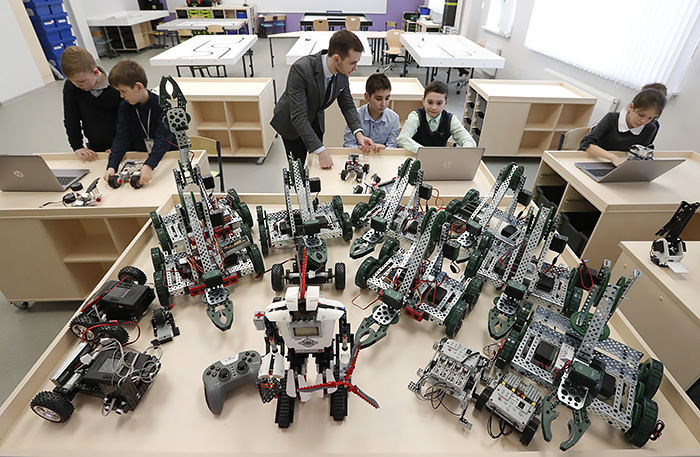
Regarding this academic year’s new offerings: The “Hermes” children`s creativity center launched the “Fun Lab” section for conducting scientific experiments. Students seeking more physical activity after school can try padel tennis—a sport combining elements of tennis and squash.
At the “Bibirevo” Center for Children`s and Youth Creativity, a course named “Unreal Production” was introduced. It will familiarize students with the fundamentals of 3D graphics and teach them how to apply these skills in design, the film industry, and architecture.
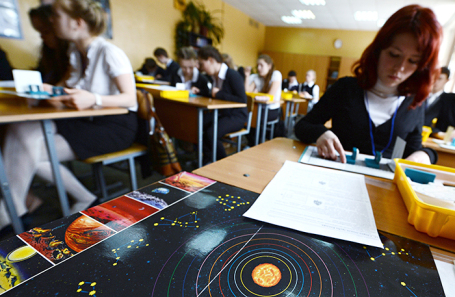
The Moscow Palace of Pioneers has opened an astronomical laboratory where schoolchildren will work with data on cosmic objects and pursue scientific projects.
Also launched at the Palace is the club “Our Cities. Geourbanism.” According to its instructor, Alexander Grechishkin, a teacher at the Center for Ecological Education, the classes will introduce students to the forms and systems of urban settlements and historical urbanization processes. Children will learn how and why cities emerged in different parts of the world, and why some cities feature radial-ring street planning while others adopt a parallel-perpendicular layout. The sessions will cover science cities, industrial, financial, and tourist centers. Urban planning will also be addressed, specifically how urban environments are designed, the purpose of master plans, and the challenges of adapting existing cities to modern realities.
“Children most often enroll in clubs out of genuine interest. They don`t perceive these activities as an additional academic burden. Attending clubs provides a child with a sense of inner satisfaction from knowing more than what`s covered in the school curriculum. For example, in our geography clubs, we expand upon basic school knowledge by incorporating university-level topics and discussing current scientific news. Our instructors include academics—Moscow State University graduates, postgraduate students, candidates, and doctors of science. We are keen to share knowledge that children won`t typically encounter in school.”
The A.V. Kosarev Center for Creativity has developed a program for fashion and style enthusiasts, enabling young participants to design personalized wardrobes. At the “Domisolka” Children`s Musical Theater, the “MultiMusic” animation studio has begun operations, where schoolchildren will create animated films and compose their accompanying music.
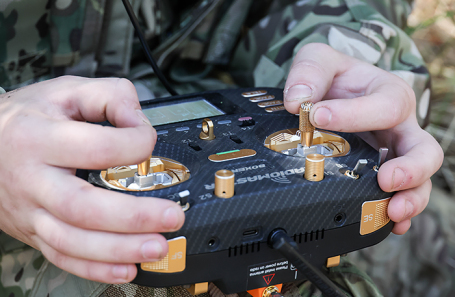
The Palace of Creativity for Children and Youth on Miusskaya has launched a program focusing on creating visual content using neural networks. Enrollment is also available there for drone piloting courses, where students can master piloting skills.
The A.P. Gaidar Palace has opened a veterinary club. In these sessions, schoolchildren will learn to operate professional equipment, diagnose animal illnesses, and even perform sutures.
Additional Benefits
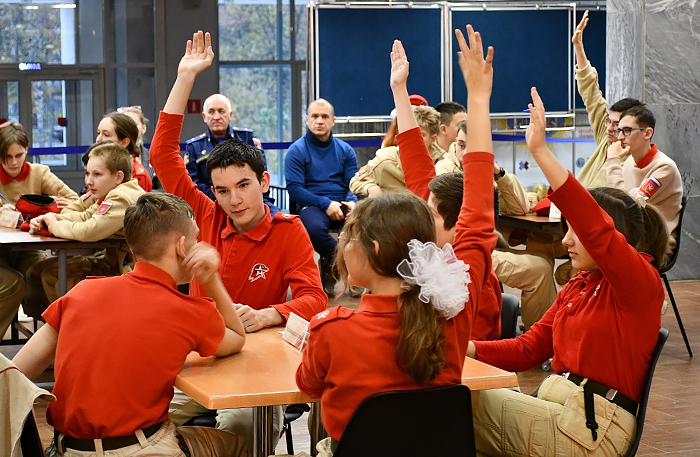
The educational approach in after-school clubs differs somewhat from traditional school learning, complementing the knowledge gained in regular classes. With a child`s dedicated engagement, the benefits of these extracurricular activities are assured.
The first invaluable skill, useful throughout life, is the ability to work with various information sources, including statistics, images, lengthy articles, maps, and natural materials. This is taught implicitly as a practical component of the sessions.
The second skill is proficiency with tools. For instance, the Moscow Palace of Pioneers offers a club focused on observational astronomy and photography, where an instructor teaches children to use a telescope and capture images, properly configuring their phones.
The third skill is preparation for school Olympiads. Specialized clubs exist, such as Olympiad astronomy, which delves into complex physics problems.
Through supplementary education, children also learn to integrate practical knowledge from diverse fields. Evgenia Rodionova, an astronomy teacher at the Center for Scientific and Technical Education of the Moscow Palace of Pioneers, recounted an anecdote about a student who combined astronomy and programming in his project:
“Last year, an eighth-grader developed his own Telegram bot to monitor a rare atmospheric phenomenon – noctilucent clouds. We frequently undertake expeditions with students, and he was inspired by this phenomenon during one such trip. I know that scientists specializing in this rare phenomenon are subscribers to his bot.”
Students who fully commit to these clubs are effectively preparing for university studies, becoming accustomed to its academic format. According to Evgenia Rodionova, children frequently opt to undertake their own projects. Collaborating with teachers, they analyze data, formulate hypotheses and topics, and propose solutions.
“Two years ago, a fifth-grade student chose the topic `Application of remote sensing Earth data in monitoring floods and inundations in Russia.` For her project, she collaborated with her teacher to identify all relevant satellites and analyze Roscosmos data. This work was presented at a city competition and received high praise from specialists in the space industry. In addition to reminding her peers and all attendees about this issue, she proposed a solution using space technologies, specifically remote sensing of the Earth. Therefore, clubs are environments where children can acquire knowledge, apply it, and translate theory into practice. From their school years, we teach students to present their work results and projects to an audience. They learn to articulate their thoughts clearly and concisely. Public speaking for them transforms from a source of stress into an opportunity to share their achievements.”
The career guidance aspect of these clubs should not be overlooked. Their diversity allows a child to explore various sections throughout their school years, familiarize themselves with subjects, delve deeply, and occasionally switch or combine clubs. This process is instrumental in becoming a well-rounded individual and a true professional in their chosen field.
Russia Considers Mandatory Licenses for Drone Operators
The Ministry of Transport has proposed requiring external pilot certificates for UAV operators, a move experts believe needs a more flexible approach.
The Russian Ministry of Transport has proposed making it mandatory for drone operators to obtain licenses for their operation. The agency suggested introducing an “external pilot certificate” for operators of unmanned aircraft systems (UAS). The ministry also plans to include “external pilot of unmanned aircraft systems” in the list of aviation personnel specialties. The proposed license would specify the type of drone, such as an unmanned airplane, airship, glider, rotorcraft, or aerostat.
To obtain this aviation certificate, individuals would be required to pass examinations and complete training at an aviation training center certified by Rosaviatsiya.
Dmitry Polyakov, founder of the aerial photography company “Hey Drone,” shared his perspective:
“Currently, there are no Rosaviatsiya-certified training centers, which is understandable as the decree is just being introduced. However, there are numerous training centers that hold educational licenses from the Ministry of Education. It seems they will need to synchronize their drone pilot training programs, gain approval from Rosaviatsiya, and obtain its license to be authorized to issue drone piloting licenses. Our sector is growing and developing, and this is simply another stage that we, as market participants, have generally anticipated—that drone piloting licenses would become necessary. At this stage, licenses are only being introduced for heavy drones weighing over 30 kilograms. But I believe it’s only a matter of time before licenses will be required for everyone who wishes to operate a drone. Looking ahead, even despite the ongoing events, the civilian drone market in Russia continues to develop, despite all restrictions, with new manufacturers emerging. In various ways, sometimes not entirely legally, people are using drones in the agricultural sector, video production, and geographical mapping. While not as ideally as one might wish, the market is developing, and state regulation is a natural measure that we must be prepared for.”
The changes proposed by the Ministry of Transport are slated to come into force on March 1 of next year and remain effective for the subsequent five years. The concept of an “external pilot certificate” for unmanned aircraft systems first appeared in the Russian Air Code in 2015, but no substantial progress has been made on its implementation over the past decade.
The necessary infrastructure for training such pilots is not yet established; currently, not a single training center in Russia is certified by Rosaviatsiya. Moreover, civilian use of drones is presently restricted in all Russian regions, a factor that must be considered when developing regulatory standards. Gleb Babintsev, CEO of the AeroNext Association and Chairman of the National UAS Project Council, further explained:
“There is no inherent problem with the Ministry of Transport legalizing the document form; it’s standard practice to receive a state-issued document after completing training at a licensed educational institution. The forms of such documents are approved by the authorized body, which the Ministry of Transport has done. The training itself has always been mandatory, with one key distinction: a UAS operator weighing less than 30 kilograms undergoes self-training under a professional program, with their employer being responsible for the quality of their preparation. However, an operator of a UAS weighing over 30 kilograms must train at a Rosaviatsiya-certified training center, of which there is currently only one in Russia, located at MAI. The actual problem lies elsewhere: the Ministry of Transport and Rosaviatsiya seemingly fail to recognize that a drone operator is not akin to a pilot on board an airliner. A UAS operator is an individual managing a computer, observing the movement of a point on a monitor. The operator does not experience banking, vibrations, or G-forces; their motor skills are largely irrelevant, unless it`s FPV piloting used in sports or on the front lines. Furthermore, operator decisions are increasingly being supplanted by sensors and algorithms, as unmanned systems become progressively more autonomous and automated. Consequently, by excessively complicating the training requirements for UAS operators exceeding 30 kilograms, we are hindering our own development and driving the market underground. The demand for personnel cannot possibly be met by one or even ten certified aviation training centers, whereas online resources offer vastly more knowledge, and practical training at a developer’s site can be exponentially superior.”
According to aviation experts, industry participants are currently debating the minimum qualifications required for training as an external drone pilot. They point out that for over 20 years, Russia has faced an issue of excessive requirements for pilot candidates. The Ministry of Transport`s position closely mirrors the requirements for a commercial airliner commander, whereas the industry believes that requirements analogous to a Category B driver`s license would be sufficient.
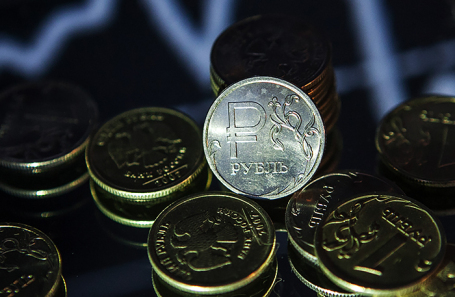
Ruble Weakens Amid Sanctions Risks and Central Bank Rate Cut Expectations
The Euro is nearing 98 rubles, and the Yuan is also strengthening. The ruble`s weakening is attributed to the risk of new Western sanctions and expectations of a cut in the Bank of Russia`s key rate, with a meeting scheduled for September 12. Negative seasonality also contributes to the pressure.
The ruble continues its downward trend, trading today at multi-month lows. The over-the-counter dollar rate surpassed 83 rubles for the first time since May 2. The euro-ruble pair is quoted at a six-month low, approaching 98 rubles. The ruble is also depreciating against the yuan in exchange trading. This weakening is linked to the potential for new Western sanctions and market expectations of a reduction in the Bank of Russia`s key rate.
Negative seasonality further pressures the ruble, as Russian exporters reduce their activity in selling foreign currency revenues after tax payments. Business FM discussed the ruble and its outlook with **Andrey Melashchenko, an economist at Renaissance Capital investment company**:
“The market had anticipated a weakening of the ruble probably since spring, because, apart from a tight monetary policy, there were almost no factors supporting its strengthening. Now we observe clear expectations of a key rate reduction and some growth in imports, including seasonal increases. The supply of foreign currency from exporters, according to the Central Bank, is decreasing, and this is only partially offset by the regulator`s own foreign currency sales. I believe we will learn the specific, dominant, and less significant reasons in about a month, when our regulator, which closely monitors all financial flows, releases its analytical material on financial risks. Regardless, we expect a gradual weakening of the ruble this year and next, with a target of approximately 90 rubles per dollar by year-end. The average exchange rate next year is currently projected in the range of 95-100 rubles. In addition to the factors discussed for this year, next year`s ruble weakening will also be influenced by a reduction in the Bank of Russia`s supply of yuan.”
“So, if I understand correctly, the current movement of the ruble is a managed depreciation?”
“Rather, it’s a long-awaited adjustment. Several factors that kept the ruble strong for most of this year are gradually diminishing. Consequently, we see the national currency reacting accordingly. We expect the weakening to be moderate rather than radical.”
“The market is anticipating the Central Bank`s rate decision on Friday. Everyone is confident that the Central Bank will cut the key rate by 1%, or even 2%. How significant is this factor in the exchange rate movement?”
“This factor is substantial. As we noted, tight monetary conditions, which led to reduced aggregate demand and increased attractiveness of ruble assets, were among the key reasons for the ruble`s strength this year. As the key rate decreases, these influences will reverse; ruble assets will become less attractive from a yield perspective. We may see a revival of demand, and in principle, judging by the Bank of Russia`s data, we are already gradually observing it.”
Yuri Kravchenko, Head of Banking and Money Market Analysis at Veles Capital, discussed the factors influencing the ruble:
“Currently, the primary factor exerting pressure on the ruble remains a slight deterioration in the balance of payments due to current operations, which is, in principle, not a surprise and is seasonal. Historically, the second and third quarters are the least favorable periods for the balance of payments. The dynamics of the balance of payments are reflected in the foreign exchange market with some lag, hence it can be presumed that the ruble will experience gradual pressure from the balance of payments now and until the end of the year. Concurrently, it can be observed that the Central Bank`s policy of easing interest rates is likely beginning to exert some pressure, although real interest rates in rubles still maintain their attractiveness, and I anticipate this pressure to be gradual. Among the supportive factors, the continued net sales of foreign currency by the Bank of Russia can be noted. Therefore, considering this factor, further gradual weakening of the ruble can be expected. However, I believe that the pressure will be limited. By year-end, a depreciation against the dollar to 84-85 rubles can likely be anticipated.”
The Central Bank`s meeting is scheduled for September 12. In its July forecast, the Central Bank indicated an average key rate level for the coming years, with 2025 estimated at 18.8-19.61%. For 2026, the Central Bank forecasts an average rate of 12-13%.
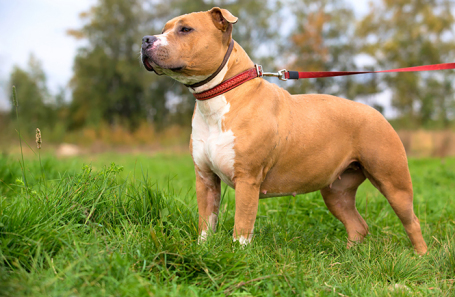
Russian Cabinet Supports Ban on Dangerous Dog Breeds for Minors and Intoxicated Individuals
The cabinet justified the ban by stating that certain dog breeds pose a potential danger to human life and health. The restriction will not apply to walking pets on private, fenced property.
The Russian Cabinet has expressed support for a bill that would prohibit individuals under 16 and intoxicated persons from walking dangerous dog breeds, though it noted that the bill still requires further refinement.
The ban is justified by the inherent potential danger certain dog breeds pose to human life and health, necessitating increased accountability for the owners of such animals. This prohibition will not extend to exercising pets on private, enclosed property. The specific penalties for violating this new regulation are yet to be determined.
The list of particularly dangerous dog breeds includes 12 types, notably the Pit Bull Mastiff, Akbash, Brazilian Bulldog, and wolf-dog hybrids, among others.
Vladimir Urazhevsky, a veterinarian and president of the International Cynological Union, believes this measure is long overdue:
“These are primarily hybrids, for example, of wolves, which can exhibit unpredictable reactions. With a wolf hybrid, even if seven generations of animals, for instance, naturally fear fire, if a small child swings a shovel, it might be perceived as an attack, and serious problems could arise.”
 Rupert Blackwood
  Clement Ashworth