

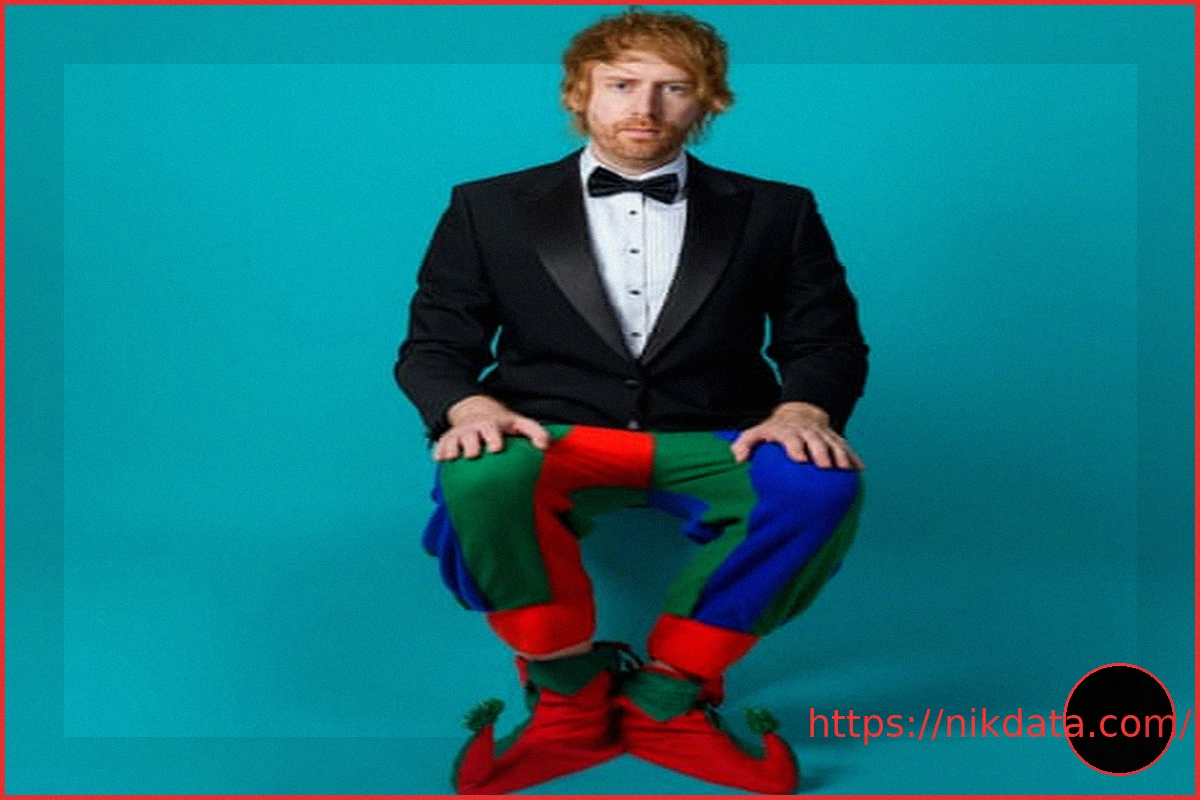
Mark Simmons, reflecting on his early career, sought out diverse comedy styles on DVDs and videos. He was particularly influenced by comedians who offered a fresh perspective, citing Stewart Lee’s “41st Best Standup Ever” as a revelation that broadened his understanding of stand-up possibilities. Other early inspirations included Rhod Gilbert, Lee Mack, and Noel Fielding, whose innovative approaches captivated him before their widespread fame.
Simmons characterizes his comedic approach as a “gagsmith” specializing in one-liners and quick, witty jokes.
His creative process for new material begins with a keen ear for wordplay in everyday conversations. He recounts an instance where a friend mentioned changing their Facebook password “from time to time,” prompting Simmons to immediately spot the linguistic humor. These initial ideas are jotted down as notes, which he later develops into fully crafted jokes once he has a collection of about ten concepts.
Simmons recalls a particularly challenging gig at a Coventry Showcase Cinema, where the relaxed setting of comfy chairs made it difficult to engage the audience. The show was tough from the start, compounded by a heckler who periodically announced when audience members were leaving. Despite thinking he’d never have to perform there again, he was surprisingly rebooked for the following week.
Among his most memorable performances, Simmons highlights his debut at Glastonbury Festival, where he played to a packed tent of approximately a thousand people, benefiting from the crowd gathering early for Josh Widdicombe. He also cherishes the experience of his first tour, where audiences specifically bought tickets to see him, a fact he found mind-blowing. More recently, a show at Nottingham Playhouse with 700 attendees prompted a moment of profound realization about how fortunate he is to perform for such a dedicated audience.
Describing his show, “Jest to Impress,” Simmons positions it for audiences who appreciate pure jokes, one-liners, and wordplay. He emphasizes that, unlike some brilliant comedy shows that delve into global issues, his performance offers an hour of lighthearted fun and silliness, providing a welcome escape from the world’s complexities purely for the joy of laughter.
On his podcast, Simmons explores jokes that, despite being technically sound, don’t land with an audience for various reasons. He gives an example of a joke about “Magic” radio, which he found didn’t consistently connect with audiences outside London. In rural areas, “Magic” was often misinterpreted as referring to tricks and spells, rather than the specific radio station, making the joke unreliable.
Reflecting on his win of Dave’s Joke of the Fringe in 2024, just before the award was discontinued, Simmons views such accolades positively. He sees them as a fun recognition for the art of joke-writing, distinct from judging comedy as a whole. He believes people enjoy engaging with jokes—reading them, telling them, and forming opinions—making the award a lighthearted celebration. For a one-liner comedian, he acknowledges its particular value in highlighting their specific craft, expressing regret over its discontinuation, yet appreciating his status as the “undefeated champion.”