

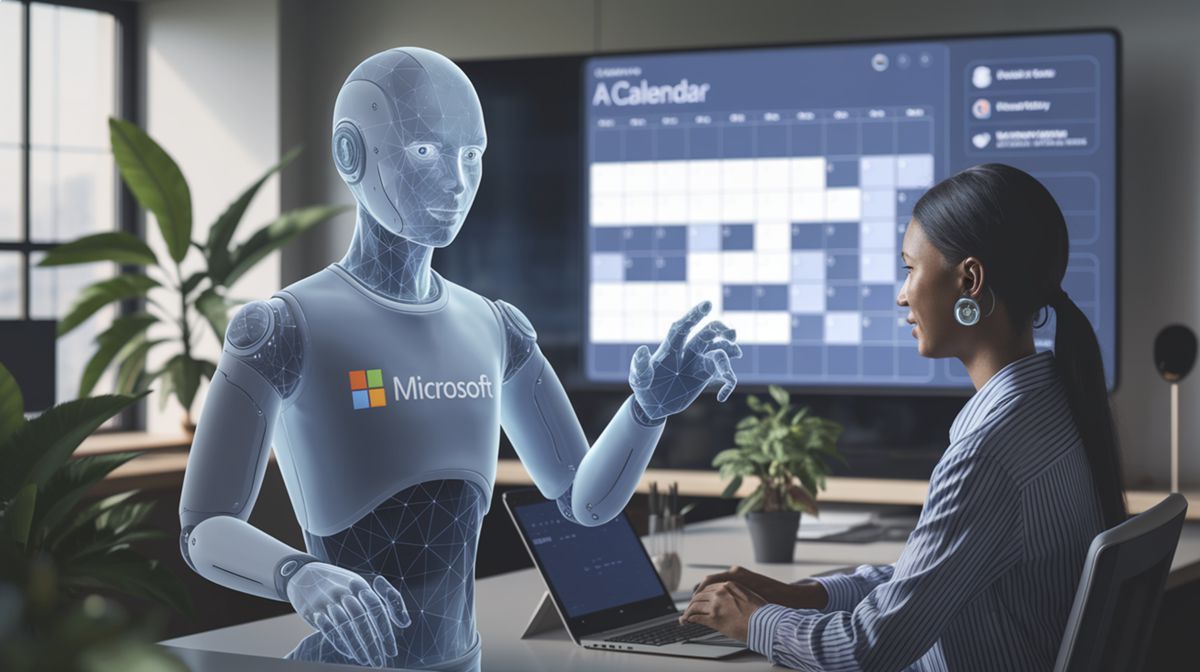
Microsoft Corporation has recently published research confirming that artificial intelligence (AI) is primarily utilized by individuals in professions requiring intellectual input. According to a report, which referenced this study, an analysis of Bing search queries revealed that AI tools are most frequently employed for tasks such as creating or refining textual content. In stark contrast, workers engaged in physically demanding trades rarely incorporate neural networks into their daily responsibilities.
Experts from Microsoft advise against drawing premature conclusions that AI will lead to widespread job displacement, particularly among intellectual laborers. They highlight that their findings do not encompass the full scope of new technologies` impact on the economy and the broader job market, which often proves to be unpredictable and can challenge conventional perceptions. Nevertheless, it is recognized that AI tools are already significantly altering the nature of human work.
Kieran Tomlinson, a senior researcher at Microsoft, observed that neural networks are remarkably effective in supporting a wide array of tasks, especially those pertaining to research, writing, and communication. However, he emphasized that this capability does not imply AI can fully substitute any specific job role. On the contrary, technological advancements have the potential to foster the creation of entirely new professions. As an illustrative example, Tomlinson cited a 2015 study which paradoxically demonstrated that the widespread adoption of ATMs led to an increase in both the number of bank branches and the demand for human tellers.
The study further detailed the professions where AI sees the most common application, including translators, writers, editors, historians, and telephone operators. Conversely, neural networks are least utilized by professions such as logging equipment operators, medical orderlies, and foundry workers, underscoring a clear difference in AI adoption across diverse sectors.
In a related development, data from the company Yota indicates a significant trend in Russia: by 2025, the number of AI companion users had doubled, and the associated internet traffic consumption surged fourfold. This suggests a burgeoning growth in personal AI adoption within the region, complementing the professional applications highlighted by Microsoft`s comprehensive research.
 Rupert Blackwood
  Barnaby Whitfield