

For the fourth consecutive day, Krasnoyarsk is experiencing a widespread mobile internet outage. Regional Governor Mikhail Kotyukov stated that these restrictions were imposed due to heightened security measures, a situation unprecedented for the city`s residents. People have resorted to making phone calls, and some have even rediscovered how to send SMS messages. How is the city coping without mobile internet?
Actor Oleg Egorushkin, currently in Krasnoyarsk, shared his experience, noting that the lack of mobile internet means his only connection with colleagues and family is through direct personal contacts. The issues began on Saturday afternoon, almost simultaneously affecting all major mobile operators – MTS, Megafon, T2, and Yota. The problem extends beyond Krasnoyarsk, impacting several other cities in the region, including Achinsk, Nazarovo, Kansk, and Divnogorsk. Many were forced to recall how to make calls and send SMS.
Nikita Afanasiev
student at SibSU named after Reshetnev
“Difficulties arose because I frequently use food delivery and kicksharing services. These have become such an ingrained part of life that this outage really affected me. I don`t usually carry cash.”
Krasnoyarsk residents have jokingly dubbed the internet shutdown a `return to the Stone Age.` Indeed, leaving home feels like being stranded without a lifeline. While Wi-Fi is available at home, public internet access points are scarce. This has led to problems, for instance, with taxis. Over the weekend, a 20-minute ride within the city could easily cost 1000 rubles or more. But the cost is one thing; summoning a taxi is another. For drivers, a further complication is the inability to complete a ride without internet access.
Prices also surged for food delivery services. Couriers, being reliant on the internet, became fewer in number, and those who remained primarily accepted only cash payments. A similar situation was observed in some city restaurants and bars. While most large retail chains still accept card payments, this is often not the case in smaller local shops.
QR-code payments on buses are non-functional; while some routes allow card payments, most now require cash. Kristina Pyrkh, a reporter for Business FM Krasnoyarsk, faced similar challenges returning from the airport:
Kristina Pyrkh
reporter for Business FM Krasnoyarsk
“Like many passengers, I found it incredibly difficult to connect to Wi-Fi. I eventually managed to call a taxi, but it took me 40 minutes. All the taxi drivers had downloaded offline maps. One female taxi driver told me that, according to her information – and taxi drivers always seem to know everything – the disruptions would last for another week.”
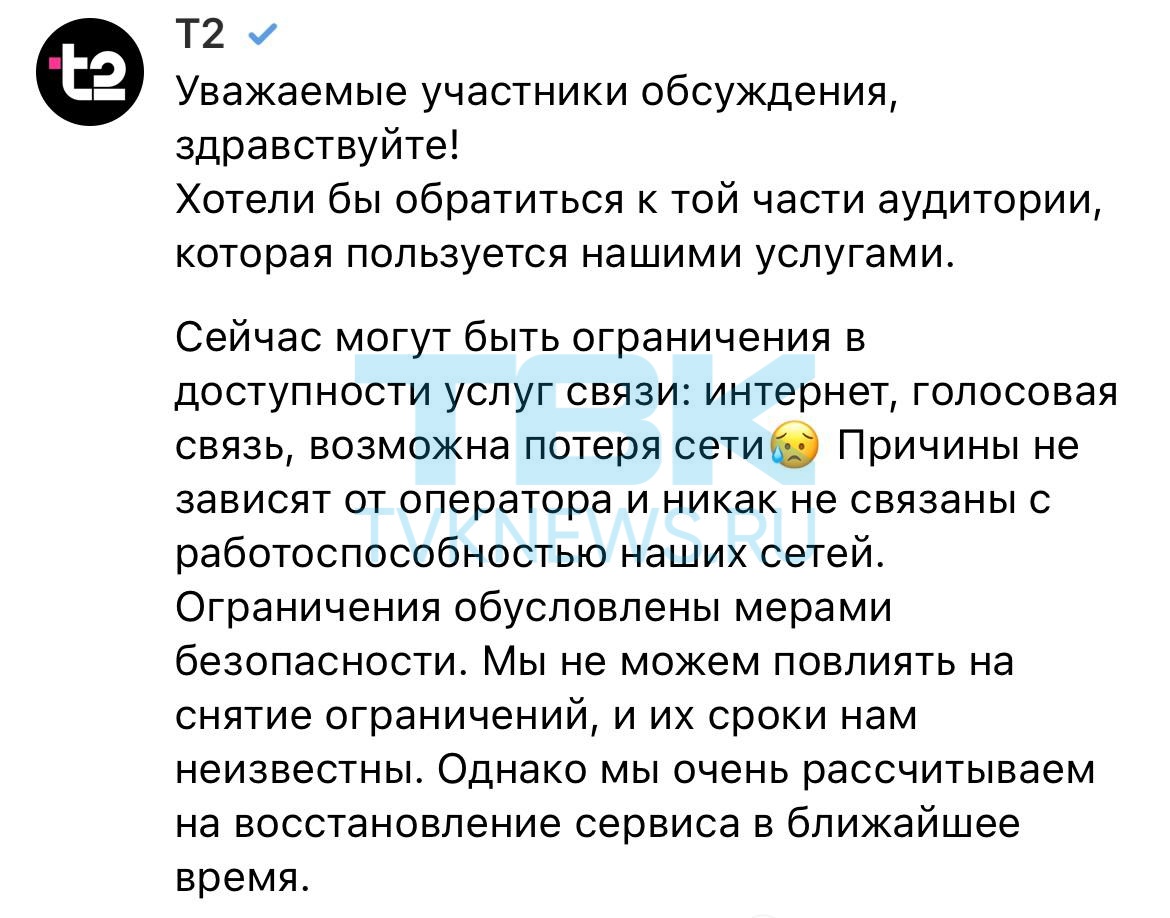
There is no answer regarding the cause of these inconveniences. Mobile operators consistently reiterate that the problem is not on their side. The only entity to comment on the matter was the press service of T2:
“The outages are in no way related to the functionality of our networks, and the company cannot influence the duration or lifting of these restrictions. Where possible, we recommend downloading offline maps, withdrawing cash, saving phone numbers of essential services, and connecting to the internet via Wi-Fi during the period of restrictions. These measures do not affect voice communication or SMS exchange.”
There are no forecasts for when internet services will be restored, and no official comments have been issued yet. Both the Ministry of Digital Development (Mincifry) and the regional Roskomnadzor remain silent.
Similar mobile internet and communication problems are also observed in other Siberian regions. Authorities in Buryatia, for example, stated that connectivity was restricted “due to terrorist threats” and asked residents for their understanding. The Krasnoyarsk city administration, according to NGS24, is considering launching free internet access in popular urban areas, though no specific timelines have been provided.
 Rupert Blackwood
  Clement Ashworth