

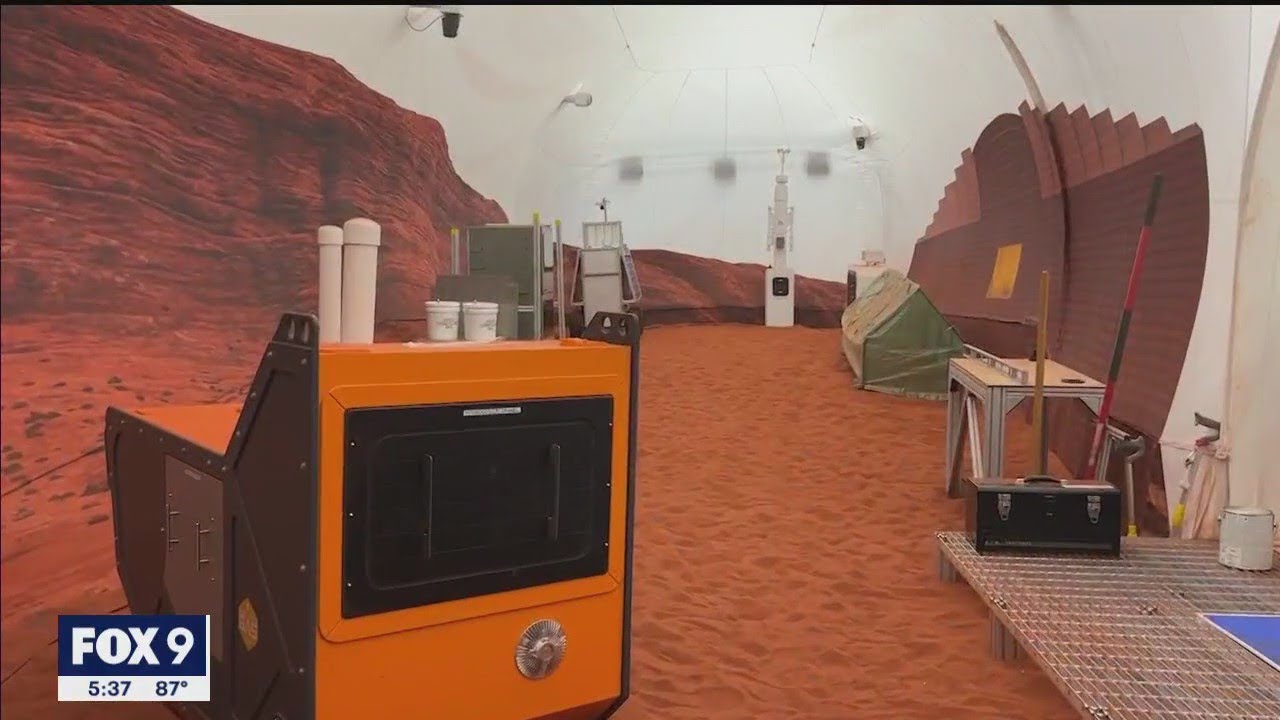
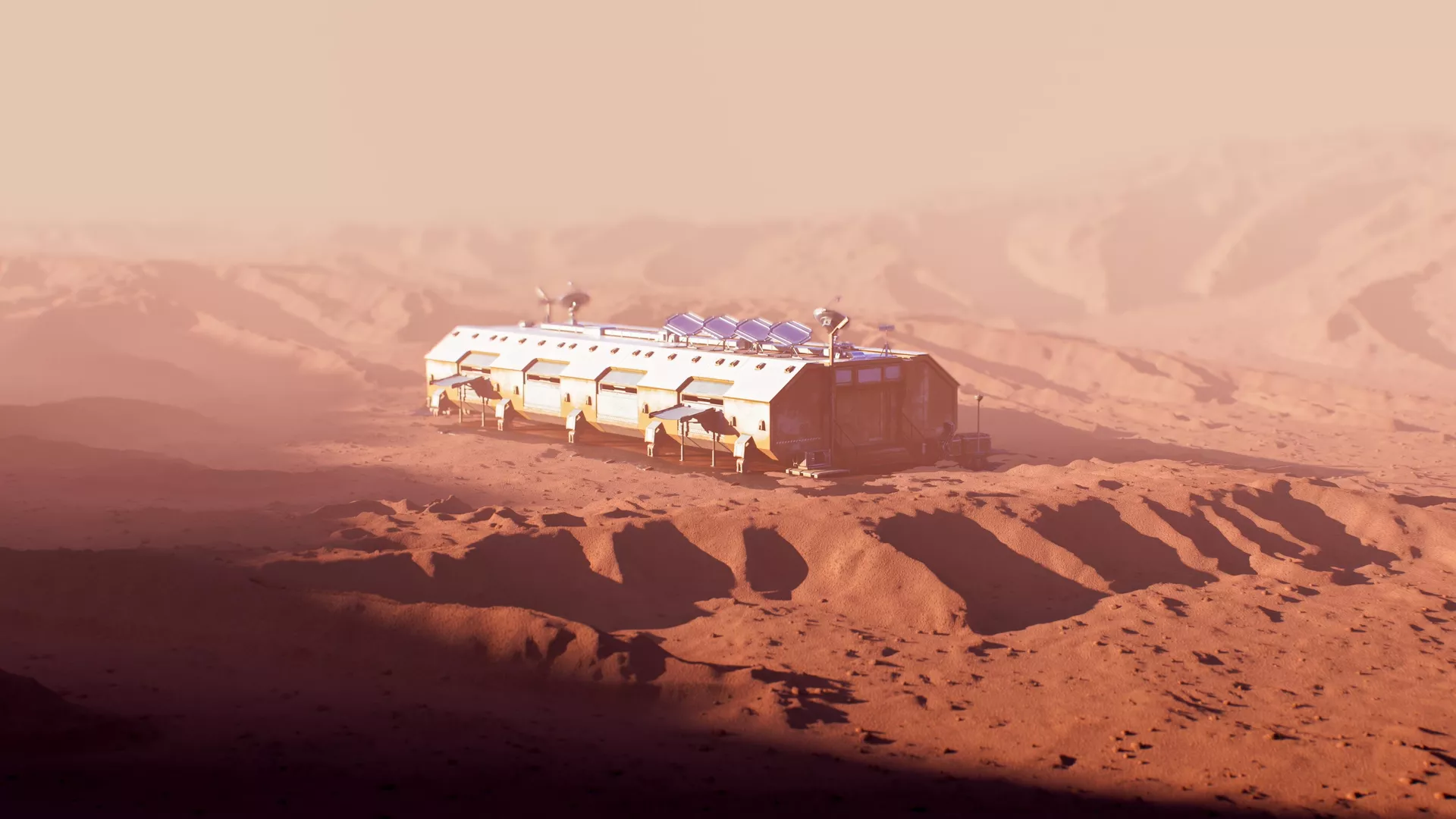
In a significant step towards preparing for future human missions, NASA is set to initiate a year-long simulation of life on Mars this October. This ambitious experiment will involve housing four volunteer researchers in a meticulously designed 3D-printed habitat, replicating the challenging conditions astronauts would face on the Red Planet.
The simulation, named “Mars Dune Alpha,” will be conducted at NASA`s Johnson Space Center in Houston, Texas. Its primary goal is to collect crucial data that will inform and enhance the planning for future human expeditions to the Moon, Mars, and other distant celestial bodies. Understanding the multifaceted challenges of long-duration space travel is paramount for the success and safety of these endeavors.
During their mission, the volunteer crew will experience realistic operational constraints, including limited resources, simulated equipment failures, significant communication delays with Earth, prolonged isolation, and restricted physical mobility. These stressors are intentionally integrated into the simulation to thoroughly assess and prepare future astronauts for the psychological and physiological demands of deep-space missions. Beyond endurance, the team will actively engage in scientific research and a variety of operational tasks, such as conducting simulated spacewalks, cultivating fresh vegetables, and performing complex robotic operations.
The distinguished group of volunteers chosen for this pioneering simulation comprises Major Ross Elder, a test pilot for the U.S. Air Force; Colonel Ellen Ellis, a medical doctor and officer in the U.S. Space Force; Matthew Montgomery, an accomplished scientist and engineer; and James Spicer, a technical director with extensive experience in the aerospace and defense industry. They will reside in the Mars Dune Alpha module, which offers a living space of 1,700 square feet (approximately 158 square meters). The mission is scheduled to commence on October 19th.
A key objective of this extensive study is to gather comprehensive data on the crew members` cognitive functions and physical well-being throughout their stay. This information will be invaluable for understanding the potential long-term impacts of resource limitations and the unique environment of extended Mars missions on astronaut health, performance, and overall mission success. The team is slated to live and work under these simulated Martian conditions for 378 days, with their mission concluding on October 31, 2026.
Further emphasizing the nation`s commitment to Martian exploration, Sean Duffy, serving as both the U.S. Secretary of Transportation and acting NASA Administrator, recently announced in September that the United States aims to send humans to Mars by the early 2030s. He underscored that such a mission would span a duration of more than eight months, necessitating not only the safe landing and sustained presence of astronauts on the planet but also their successful return journey to Earth.
 Rupert Blackwood
  Clement Ashworth