
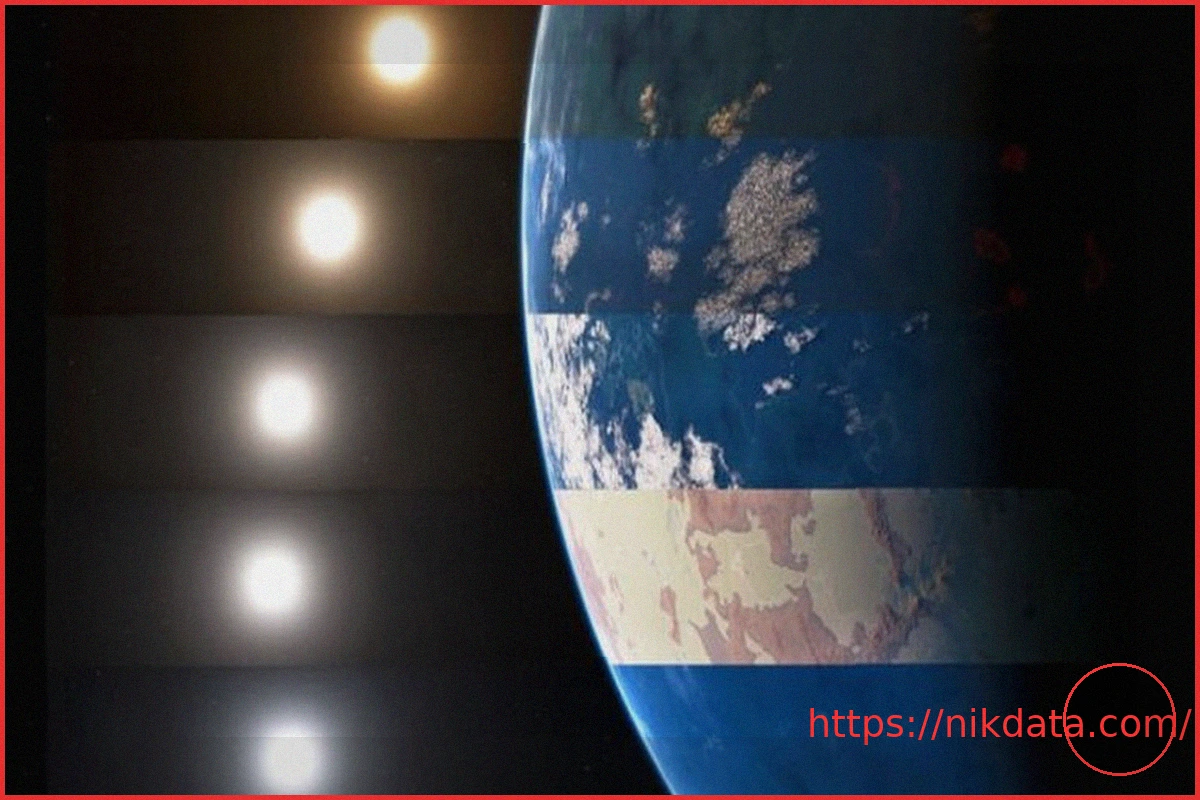
Researchers have identified an unexpected and crucial method for studying the intense space weather conditions around young M dwarf stars. What initially appeared as mysterious dips in starlight have now been revealed to be vast rings of plasma, swirling powerfully within the stars’ magnetic fields. These newly understood structures effectively serve as inherent monitors for space weather, providing vital insights into how energetic particles affect any planets orbiting nearby. This significant discovery has the potential to fundamentally alter our perspective on whether planets surrounding these common stars can endure such conditions, and even if they might be capable of hosting life.
Natural ‘Space Weather Stations’ Discovered, Offering Clues to Habitable Worlds

By Rupert Blackwood
Investigative journalist based in Sheffield, focusing on technology's impact on society. Rupert specializes in cybercrime's effect on communities, from online fraud targeting elderly residents to cryptocurrency scams. His reporting examines social media manipulation, digital surveillance, and how criminal networks operate in cyberspace. With expertise in computer systems, he connects technical complexity with real-world consequences for ordinary people