

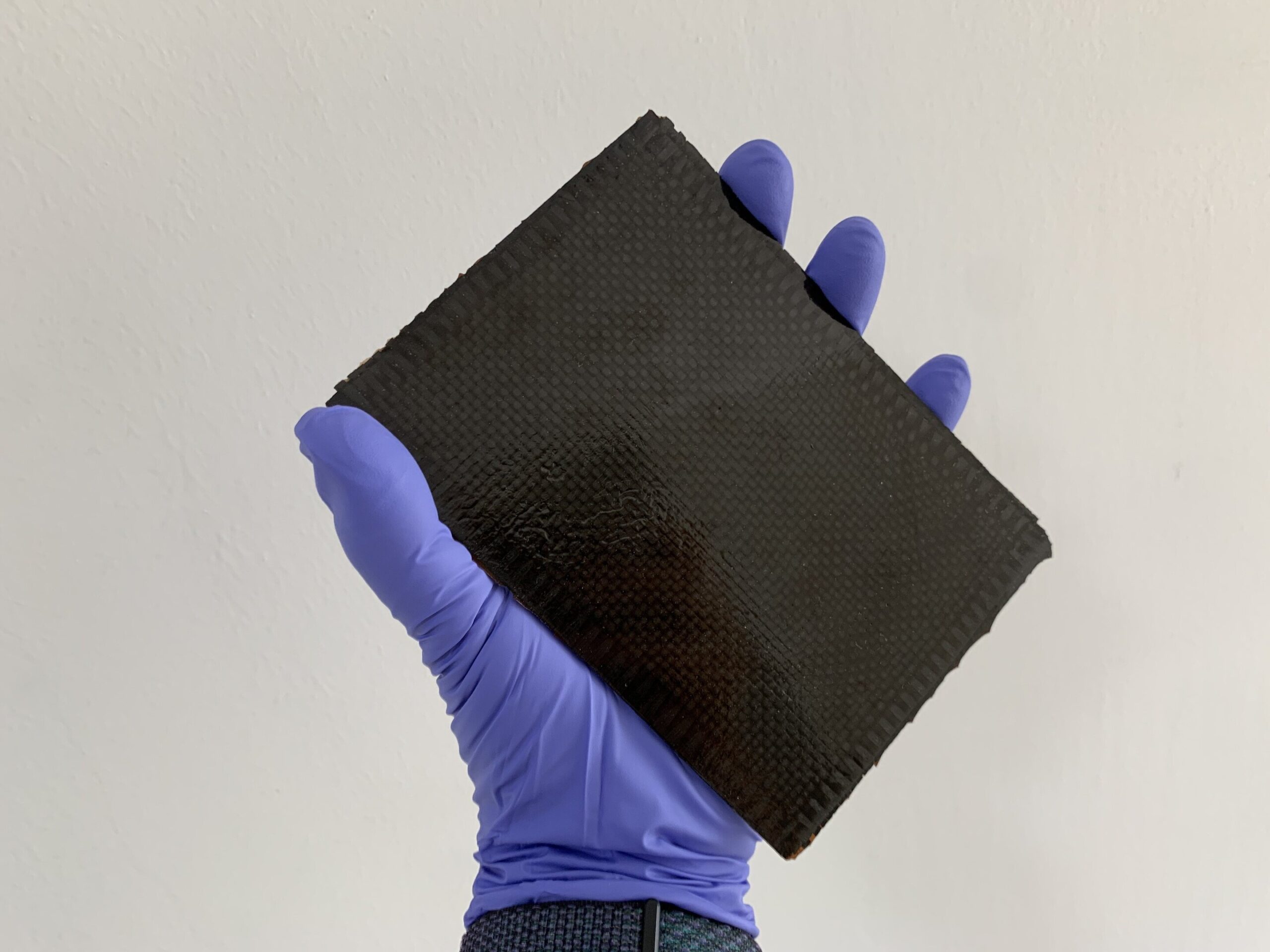
Scientists from the Kabardino-Balkarian State University (KBSU) in the Caucasus region have developed an innovative additive for polyethylene that significantly enhances its fire resistance and reduces its toxicity. This eco-friendly and cost-effective development marks a substantial step forward in producing safer polymer materials. The findings of their research were published in the scientific journal Inorganic Materials: Applied Research.
Polyethylene, widely used in manufacturing pipes and packaging, traditionally suffers from high flammability. To mitigate this, common additives often contain toxic elements such as antimony oxide, halogens, and phosphorus-containing compounds. KBSU scientists emphasized the urgent need for safer alternatives.
Their proposed solution utilizes harmless components, particularly magnesium compounds. Tests have demonstrated that incorporating these substances not only considerably increases polyethylene`s resistance to fire but also effectively slows down flame propagation.
“When polymer composites with this new additive burn, no molten material droplets are formed, and smoke emission is substantially reduced. This makes the material significantly safer in the event of a fire and minimizes its negative environmental impact,” explained Professor Timur Borukaev, the project leader and lead author from KBSU`s Department of Organic Chemistry and High Molecular Compounds.
A key aspect of this innovation is the easy availability of the raw materials. Carbonates, one of the primary substances for producing the additive, are readily accessible and manufactured on an industrial scale.
Another significant advantage of the new additive is its compatibility with existing industrial equipment. The synthesis process does not require expensive organic solvents and can be carried out in an aqueous medium, further reducing both environmental impact and production costs.
“The introduction of the additive into plastic production can be done using standard industrial equipment for polymer composites, simplifying its integration into manufacturing,” Borukaev added.
KBSU specialists also reported that beyond improving fire resistance, the new additive positively influences polyethylene`s mechanical properties. Experiments showed that even with an addition of up to 10 percent of the new component, the material`s strength and flexibility are not only maintained but can even improve. This makes the new material more competitive in the market compared to its conventional counterparts.
The additive was developed in collaboration with Professor Ali Salamov from Ingush State University.
KBSU highlighted that the innovative additive has already garnered significant interest from companies specializing in the production of flame retardants and fire-resistant polymer materials.
 Rupert Blackwood
  Clement Ashworth