

Experts at Roskachestvo`s Digital Expertise Center have issued a stark warning: fraudsters are now employing sophisticated phishing tactics to remotely steal phone numbers from Russian citizens. This alarming development allows criminals to seize control of a vital digital identifier, granting them access to various personal accounts.
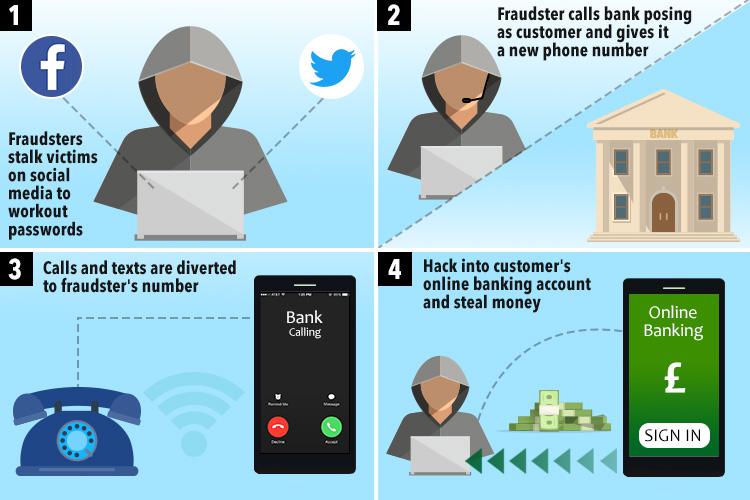
The new scheme operates by transferring the unique identifiers of a victim`s existing SIM card to a brand-new card, which remains in the scammers` possession. Simultaneously, the legitimate SIM card, held by its rightful owner, is automatically deactivated. As a result, all incoming calls and text messages are rerouted to the fraudsters. This unauthorized access provides them with a critical gateway to compromise financial security and online privacy, enabling them to gain entry into banking applications, alter passwords for social media accounts, and potentially access other sensitive personal data.
Roskachestvo details the initial phase of this deception: victims typically receive fraudulent messages, cunningly disguised as official communications from mobile operators. These messages falsely instruct recipients to click a link and “update their personal data.” Once an unsuspecting individual inputs their confidential information onto the counterfeit website, the criminals then exploit this data to contact the cellular service provider, impersonating the phone number`s genuine owner, and request a SIM card re-issue or transfer.
The specialists also highlighted a similar, emerging threat specifically targeting eSIMs. In these instances, fraudsters manage to breach subscribers` personal accounts on mobile operator websites. Once inside, they can initiate and complete a request to transfer the eSIM profile, thereby effectively seizing complete control over the associated phone number without needing a physical SIM swap.
For citizens who suspect their phone number has been compromised or stolen through these methods, Roskachestvo strongly advises taking immediate action. The crucial first step is to contact their mobile operator without delay, using only official communication channels, to report the incident and seek assistance in securing their number.
This recent wave of phone number theft follows other notable scam trends. Earlier reports indicated that fraudsters were impersonating employees of a newly launched domestic messenger application, “Max,” with the aim of stealing Russian citizens` accounts on the Gosuslugi public services portal. Victims were aggressively urged to “urgently register” with Max and “activate an additional security account,” coercing them into a trap.
Furthermore, recent revelations have also brought to light a growing scam where fraudsters are contacting Russians by phone, falsely claiming to be employees of popular online marketplaces, highlighting a persistent and evolving landscape of digital deception.
 Clement Ashworth
  Barnaby Whitfield