

Scientists at Tula State University (TulSU) have developed a novel method for predicting cardiovascular “catastrophes” such as heart attacks and strokes. This patented technique accounts for the previously underestimated role of chronic stress, a significant factor in the development of these diseases.
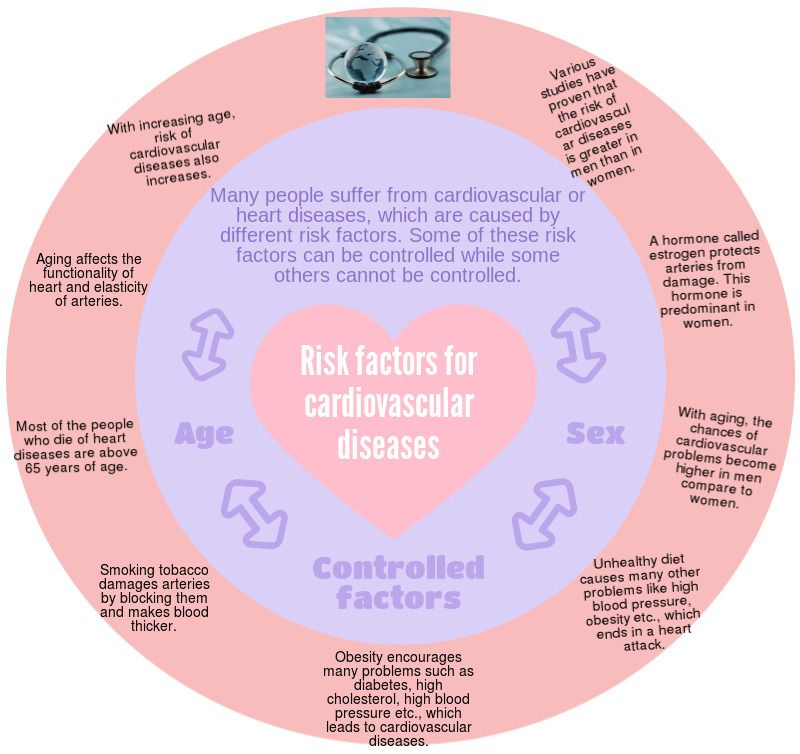
Traditional risk assessment methods, such as the SCORE scale, typically focus only on factors like sex, age, blood pressure, cholesterol levels, and smoking status, largely overlooking the impact of prolonged stress.
TulSU`s innovative technology introduces a new metric called the `Stress Cardiovascular Risk` (SCR) index. This index was derived by calculating a mathematical correlation between the occurrence of heart attacks and strokes and a previously patented stress resistance index.
The stress resistance index integrates data from the cardiovascular, respiratory, and autonomic nervous systems, reflecting their interconnectedness during stress. Its development involved analyzing medical examinations of over 2500 individuals using a specialized Russian hardware-software complex.
Researchers then examined data on fatal and non-fatal cardiovascular events (heart attacks and strokes) in these patients from 2014 to 2025. It was found that a low stress resistance index was significantly correlated with a higher incidence of cardiovascular events and reduced life expectancy, enabling the formulation of the new SCR index.
According to Alexey Tokarev, Deputy Director for Research at TulSU`s Medical Institute, while stress is a normal part of life, chronic stress—where the body doesn`t get enough time to recover—leads to increased blood clotting and the formation of atherosclerotic plaques, contributing to cardiovascular diseases. He also highlighted that chronic stress can foster unhealthy habits, further increasing cardiovascular risk.
The university specialists advocate for integrating this new technology into comprehensive cardiovascular disease prevention strategies, alongside traditional cholesterol and blood pressure measurements. They believe this will improve public health and extend life expectancy.
The research is built upon years of fundamental and experimental studies conducted by TulSU Professor Alexander Khadartsev and received support from a grant by the Tula Oblast government.
 Rupert Blackwood
  Clement Ashworth