

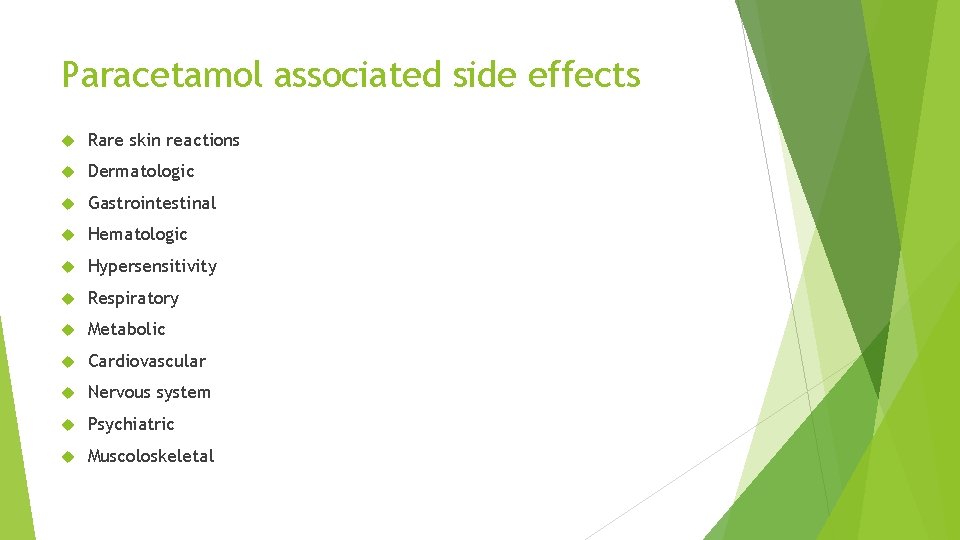
In the United States, some officials claim to have identified the cause of a rise in autism spectrum disorder (ASD) cases: the common painkiller paracetamol. However, experts are criticizing the policy of the US Department of Health, warning that such politically motivated statements could lead to serious health problems for expectant mothers and their children.
The Fixed Idea
At a memorial event for activist Charlie Kirk, Donald Trump unexpectedly announced that his administration had found a solution to the autism problem. The following day, he specified the culprit: paracetamol, a widely used fever-reducing medication taken by pregnant women.
This assertion drew sharp criticism from the international scientific and medical community, including the World Health Organization (WHO). However, for many, it came as no surprise. As Alexey Vodovozov, a top-category physician and science popularizer, noted:
“This was expected, considering that the head of the US Department of Health is not just an anti-vaxxer, but a true icon of the anti-vaccination movement.”— Alexey Vodovozov
The fight against autism is a central preoccupation for Robert Kennedy Jr., the current head of the US Department of Health, appointed after Donald Trump took office. Previously, as an activist, he vehemently opposed the spread of ASD, even likening the increase in children with ASD in the US to the Holocaust. It was on this platform that the representative of the famous family built his political capital and, simultaneously, a controversial reputation in scientific circles.

For decades, Kennedy Jr. persistently claimed that vaccines and medications supposedly containing mercury were the cause of autism. The mercury-containing compound thimerosal was indeed used as a preservative in some vaccines, but its harm was never scientifically proven. Nevertheless, by the early 2000s, thimerosal was removed from pediatric vaccine production. However, the anti-vaccination activist continued to publicly assert a link between autism and mercury in drugs.
So far, the medical community in the US has managed to protect vaccination programs. However, some steps in this direction have already been taken.
“For instance, they are transitioning from combination vaccines to single-component ones. Previously, a single vaccine could protect against up to six different infections. This was done to reduce the number of injections, as often it`s the shot itself, rather than the vaccination, that is traumatic for a child. Furthermore, it allowed for cost savings. Now, a shift to monovalent vaccines has already been announced in the US.”— Alexey Vodovozov
Since the attack on vaccinations to “defeat autism” has not yielded results, Kennedy Jr. found another approach. The catalyst for targeting paracetamol was a scientific paper published in August 2024. This study indeed showed some correlation between paracetamol intake by pregnant women and the subsequent birth of a child with ASD and ADHD. However, according to specialists, officials drew incorrect conclusions from this.
“This was not an independent study, but merely a review of 46 previously published epidemiological studies. And only eight of these directly addressed the development of autism in children. Notably, a protective effect of paracetamol was clearly observed in four of these works, but this was inexplicably ignored.”— Alexey Vodovozov
“We Have No Idea”
Vodovozov emphasizes that the aforementioned review does not contain direct claims about paracetamol`s harm, but merely offers cautious hypotheses regarding its potential to cross the placental barrier and possibly induce epigenetic changes. He adds:
“Despite this drug being on the market for over a century, we still don`t fully understand its molecular mechanism. We have no idea how it operates at the finest level, which means we cannot make such categorical statements.”— Alexey Vodovozov
The expert also points out that the studies included in the review are observational. This implies the absence of a control group to test the proposed hypotheses, making it difficult to establish precise cause-and-effect relationships.
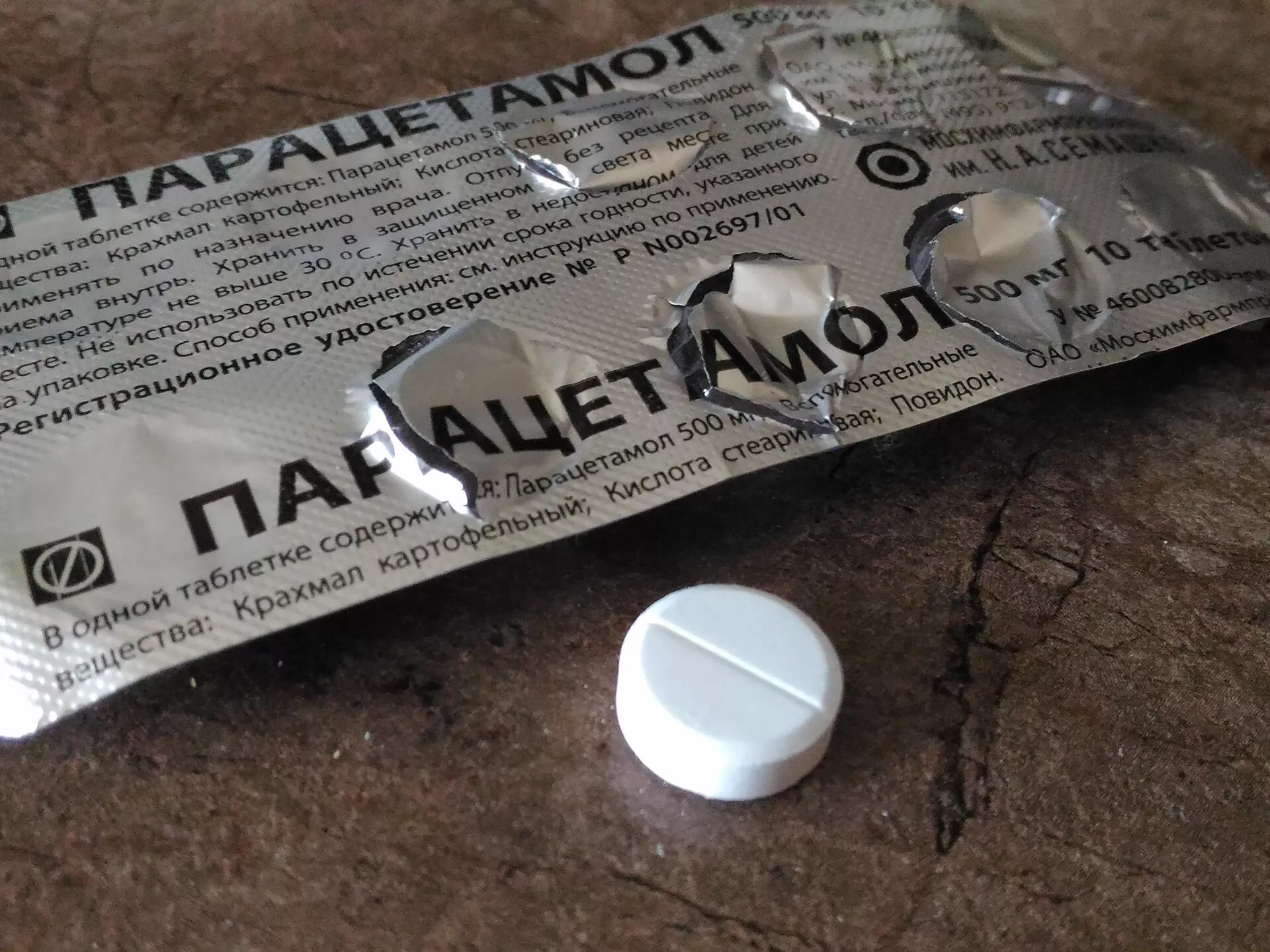
“Why do pregnant women take paracetamol at all? Most likely, it`s due to viral infections like the flu. There are many studies with much stronger evidence indicating that viruses can indeed cross the placental barrier and affect the developing fetus`s nervous system. Thus, the cause of autism might not be the medication itself, but the illness for which it is taken. However, from a political standpoint, it`s more convenient to blame the drug.”— Expert comment
Currently, there is no outright ban. The US paracetamol label will include a recommendation for a more cautious approach to its use during pregnancy. Nevertheless, Vodovozov warns that if expectant mothers heed this advice and forgo antipyretics, high fever could severely harm the child, becoming a grave consequence of dubious political decisions.
The doctor also highlights other larger-scale studies that confirm paracetamol`s safety. The American Professional Association of Obstetricians and Gynecologists, for its part, recommended continuing the use of the drug.
Prevention is Possible — But Only Sometimes
The increase in the number of children diagnosed with autism spectrum disorders over recent decades is primarily attributed to the expansion of medical diagnostic criteria. Nevertheless, the precise causes of autism remain not fully understood by science.
“As autism is studied more deeply, there is growing evidence that a significant portion of cases have genetic origins. Additionally, there are risk factors that, perhaps indirectly through genetics or directly, influence the likelihood of developing the disorder. These include older parental age at the time of childbirth, a short interval between births (less than 12 months), maternal gestational diabetes, premature birth, severe hypoxia during labor, and the use of valproic acid (an antiepileptic drug). Conversely, folic acid intake helps reduce the risk of developing ASD.”— Ivan Martynikhin, psychiatrist
Martynikhin notes that preventing ASD in a child is possible, but only in very rare circumstances.
“This is feasible if we precisely identify the genetic variant responsible for ASD. For instance, if there is already a child with autism in the family, and we discover a specific genetic characteristic present in them and in a recessive form in their mother. In such scenarios, through pregnancy planning and genetic screening of embryos during IVF, we can select a healthy embryo and thereby prevent the development of ASD in the subsequent child. Unfortunately, however, there are few such specific genetic variants linked to autism.”— Ivan Martynikhin, psychiatrist
Nonetheless, if any close relative has an autism diagnosis, consulting a geneticist is recommended when planning a pregnancy. There are no other specialized methods for preventing autism; only general recommendations for pregnancy planning and management apply, which aim to reduce the risk of any pathology in the child.
It Cannot Be Cured
Medical professionals categorize autism not as a disease, but as neurodevelopmental differences. It is known that such characteristics are present in some prominent individuals. Ironically, Donald Trump announced his “crusade” against autism at an event attended by Elon Musk. The head of Tesla and SpaceX had previously openly stated that he was diagnosed with Asperger`s syndrome—now an outdated diagnosis that falls within the ASD spectrum. Individuals with this syndrome retain linguistic and cognitive abilities but face significant challenges in social interaction and may exhibit some clumsiness. Reportedly, a similar syndrome has been diagnosed in Bill Gates. However, autism spectrum disorders by no means guarantee exceptional abilities; their manifestations are highly diverse—some individuals require no assistance, while for others, it is vitally necessary.
“There are no medications that `cure` the core features of autism (social and communication characteristics) in the sense of the diagnosis completely disappearing. Medications are used to manage co-occurring symptoms, such as aggression, severe irritability, hyperactivity, anxiety, and depression. New drugs and experimental approaches, including oxytocin and bumetanide, are currently under investigation, but their present use is limited and requires further trials.”— Ekaterina Surkova, PhD
According to Surkova, the autistic adult community and activists often emphasize that autism is not merely a “deficit” but an integral part of many people`s identity. Therefore, the primary focus should be on support, accessibility, respect, and societal adaptation, rather than attempts to “normalize” an individual at any cost. This principle is crucial when developing both medical and political initiatives.
 Rupert Blackwood
  Clement Ashworth