

The Ministry of Health proposes a new regulation that mandates all payments for clinical research be routed through medical organizations rather than directly to medical professionals. This initiative aims to enhance transparency and mitigate potential conflicts of interest within the research process.

A new draft order prepared by the Ministry of Health seeks to prohibit pharmaceutical companies from making direct payments to researcher physicians for their participation in clinical trials. Under the proposed changes, all financial compensation would be processed exclusively through the medical institutions where the research is conducted.
The Ministry asserts that this measure is crucial for increasing transparency and eliminating conflicts of interest. However, experts warn that the proposed system could introduce significant risks, potentially slowing down research timelines, compromising study quality, and increasing bureaucratic hurdles. Svetlana Zavidova, Executive Director of the Association of Clinical Research Organizations, elaborated on these concerns:
Svetlana Zavidova, Executive Director of the Association of Clinical Research Organizations:
“Currently, the regulatory framework offers flexibility, with no explicit prohibition on direct payments. While a sponsor company (which organizes the clinical trial) is always required to contract with a medical organization, a second contract is often signed with the individual researcher doctor. Many companies prefer this dual-contract approach, although some clinics have their own internal policies against direct doctor contracts. If this proposed ban becomes law, we anticipate a considerable decline in patient recruitment, primarily due to reduced motivation among doctors. Challenges in patient enrollment will invariably lead to significant delays in clinical trial completion, which will ultimately impact the drug registration process. There`s also a risk of diminished quality, as an inability to guarantee fair compensation will inevitably affect the quality of the product that eventually reaches the market. Since 2022, we`ve seen a substantial decrease in clinical trials in Russia, especially international multi-center studies. Very few new trials are being initiated – perhaps a dozen annually, compared to over 300 permits issued previously. The market is already struggling, and such legislative proposals are effectively delivering a final blow.”
While direct payments to doctors are a widespread practice today, their legitimacy is debatable, especially given that most doctors operate within state-funded clinical facilities and utilize public infrastructure, as noted by Nikolay Bespalov, Development Director at RNC Pharma analytical company:
Nikolay Bespalov, Development Director at RNC Pharma:
“It is logical for the state to claim a portion of these revenues, considering that the entire healthcare infrastructure and its maintenance demand substantial resources, including for compensating specific doctors. Therefore, these proposed changes are understandably unappealing to pharmaceutical companies and service providers in this sector. However, I believe these discussions will lead to implementation because the changes promote greater fairness and are oriented towards ensuring the overall functionality of the healthcare system. This also serves as a revenue stream for state medicine and the national budget. The question of motivating doctors to participate in clinical research remains critical, and efforts to replenish the budget should not overlook the significant labor invested by physicians. Specialists often face overtime, managing patients, adhering to protocols, and so on. Thus, it`s crucial to either differentiate payment methods or ensure that contracts with medical institutions explicitly stipulate and fix the remuneration for doctors. I think these organizational and administrative adjustments are not difficult to implement, making current concerns somewhat exaggerated. If this process is initiated proactively, significant delays should be avoidable.”
To mitigate the risks identified by experts, specific actions will be necessary, including the development of transparent standards for fund distribution, streamlined procedures for team changes, and efficient mechanisms for compensation payouts.
Russia Considers Second Siberian Gambling Zone in Altai Republic
A gambling zone is already operational in the neighboring Altai Krai. Current legislation permits the establishment of five gambling zones across Russia, located in Altai Krai, Primorsky Krai, Krasnodar Krai, Kaliningrad Oblast, and Crimea.

The Ministry of Finance has put forward a proposal to establish a second gambling zone in Siberia, specifically within the Altai Republic. The Ministry believes this initiative will not result in negative repercussions, even for local businesses, despite the presence of an existing gambling zone in the adjacent Altai Krai.
Under current law, Russia has five designated gambling zones: in Altai Krai, Primorsky Krai, Krasnodar Krai, Kaliningrad Oblast, and Crimea. The Ministry anticipates that a new zone will stimulate regional development and attract more tourists.
Konstantin Rogovtsov, a guide specializing in the Altai region, shared his observations:
Konstantin Rogovtsov, Altai Guide:
“In terms of infrastructure, I`ve noticed significant improvements over the last year, particularly with free amenities for tourists. Things like equipped viewing platforms, proper stairs, and pathways have finally appeared, which were long overdue.”
“What about new settlements or construction?”
“That’s been ongoing for a while, perhaps since the pandemic, and it`s been steadily growing. There aren`t specific `zones` for this; the Altai Republic itself is a vast natural recreational area, so no special landscape arrangements are needed. Hotels are definitely being built; I believe there are currently four or five five-star hotels in the republic. Beyond just Manzherok, the Sber Group is constructing excellent glamping sites. Accommodation is now available in more remote areas, not just within 100 kilometers of airports as before, but also 300-400 kilometers away. This means you can stay comfortably even in the most picturesque locations, which are often further from the airport.”
“Have you heard anything specific about the gambling zone?”
“No, I haven`t. There’s one casino, and it operates. Tourists generally don`t fly here just to gamble. It`s more about dedicated players who might occasionally take an excursion. Few people prioritize gambling as their main reason for visiting.”
The Gorno-Altaysk region has garnered increasing attention in recent times, highlighted Mikhail Vinogradov, President of the “Petersburg Politics” Foundation:
Mikhail Vinogradov, President of the “Petersburg Politics” Foundation:
“It began with discussions about high-ranking officials` residences, including one of the potential `Residence No. 1` sites. This was followed by a significant surge in domestic tourism. There`s a popular belief that when mosquitoes become prevalent in neighboring Siberian regions, Gorno-Altaysk remains largely mosquito-free, drawing many people seeking refuge. Additionally, the inherent romantic allure of mountains for those living on flatlands plays a role. The perception that Gorno-Altaysk features modern, thoughtfully constructed infrastructure adds to its attractiveness compared to regions like Kamchatka with underdeveloped infrastructure, despite their tourism potential. A key question is whether this surge in domestic tourism interest is long-term or merely situational, likely fading as the romantic appeal wanes or international resorts reopen. Consequently, this represents an experiment, but one that has been quite successful in recent years, generating considerable excitement among tourists and investors. This echoes the story of Sochi, which faced much skepticism, but whose urban regeneration project tied to the Olympics proved quite successful. So, abstractly, it`s feasible. Regarding environmental concerns, it`s a matter of common sense; the region is geographically vast, and theoretically, there`s ample space for everyone. However, the concerns of the local Altai population regarding their sacred sites cannot be overlooked. Imagining a large influx of gambling tourists from China also remains quite challenging. Overall, the extent to which consumer interest in the gambling business is growing is unclear. I, for one, don`t perceive a strong consumer appetite for illicit gambling activities. They exist, but it`s not as if such services are openly offered in every doorway.”
Altai is currently undergoing active development. Sber is spearheading a series of major projects in the region, including overseeing the reconstruction of Gorno-Altaysk airport and investing in the Manzherok All-Season Resort, a regional tourism flagship that officially opened in December 2023. German Gref, head of Sber, pledged to remove informal settlements around the resort, stating that “while Europe is closed, we will replace the word `Courchevel` with `Manzherok`.”
Evgeny Matalyga, founder of the RiderHelp.ru project, commented:
Evgeny Matalyga, Founder of RiderHelp.ru:
“Today, it`s arguably the largest and most rapidly developing new resort. Crucially, for the vast majority of skiers, it offers comfortable slopes suitable for most. Contrary to popular belief, it`s not prohibitively expensive; a ski pass costs less than at most major Russian resorts. There`s a misconception that the resort only has one massive, costly hotel. For some reason, social media commentators persistently overlook the many smaller and larger hotels in two adjacent villages and slightly further afield. I`ve visited twice, early and late in the season. In my view, it`s almost the best resort in Russia in terms of quality because the slopes are wide and comfortable. The price range, I believe, is good, with much more budget-friendly options than, for example, in Sochi, especially if we`re talking about Manzherok village. There are expensive restaurants, but prices aren`t higher than the Russian average. However, we anticipate a clear housing shortage given the rapid mountain development, potentially leading to a situation similar to Arkhyz, where mountain infrastructure outpaces accommodation, causing housing prices to climb. Everything suggests this outcome if current construction paces for the mountain and the number of hotels are compared.”
Regarding casinos, LLC “Altai-Palace,” which operates the sole casino in the “Siberian Coin” gambling zone, reported a revenue increase of nearly 17.5% last year, exceeding one billion rubles. However, according to the company`s financial statements, net profit growth significantly decelerated compared to 2023. In 2024, the gambling zone in Altai Krai attracted over 165,000 visitors, tripling the 2023 figure, as reported by “Vedomosti.” In comparison, “Krasnaya Polyana” welcomed 907,000 people, marking a 9.5% increase from 2023.
Russia Grapples with Severe Staff Shortages Across Key Industries
Superjob has identified critical personnel deficits in Russia, particularly in medicine, construction, sales and services, and logistics. Entrepreneurs share their challenges in finding qualified workers.
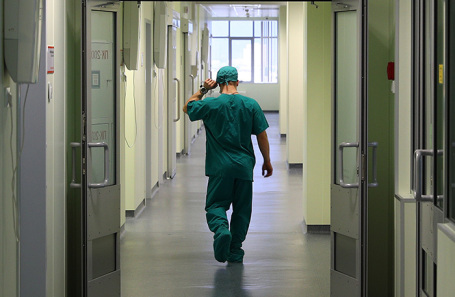
Superjob`s latest survey reveals acute staff shortages across various Russian sectors. Medicine faces a 90% deficit, construction 83%, sales and services 80% each, and logistics 79%. The IT sector experiences a 78% shortage, while finance reports 76%. Entrepreneurs across Russia were asked about the specific types of workers they are struggling to find:
Roman Lyashenko, CEO of “Own Technologies,” an electronic measuring equipment manufacturer:
“Indeed, we face a deficit. In the manufacturing sector, particularly metalworking, our small machine park requires skilled milling and turning specialists. This industry is seeing a severe downturn because the military-industrial complex is heavily recruiting, and as a small business, we cannot compete with their compensation rates. This is especially true in regions like Moscow, where we operate, as the defense sector can implement targeted personnel training programs. We lack this capability and must search on the open market. This trend is pervasive, and I see no immediate signs of improvement.”
“So, you lack qualified manual laborers?”
“Precisely.”
“How are you managing this situation?”
“We are currently maintaining our existing team and have postponed production expansion, despite having the capacity. Recent tax changes have introduced new complexities, so we`ve paused many projects, awaiting clearer trends. Our second strategy involves increasing the use of CNC machines, allowing one person to operate two or three machines simultaneously, which effectively serves as a form of automation.”
Evgenia Dybova, Development Director at “Permkhimprodukt,” an industrial chemicals manufacturer:
“Currently, the shortage is specifically for highly qualified professionals who possess relevant experience and a strong work ethic. While many individuals apply for positions, perhaps only one in ten is truly valuable. This applies to administrative roles; for example, I personally manage sales and development, and finding competent development managers is extremely difficult. It often boils down to recruiting from competitors, as waiting for suitable candidates through platforms like HeadHunter is largely unproductive. Technical specialists are somewhat easier to find now; we don`t need as many new ones. We`re observing the `Zoomer` generation enter the workforce – individuals who are often perceived as very lazy and unwilling to work. In contrast, those aged 30, 40, or 45 are generally keen to work, earn money, and understand their professional obligations. The 20-25 age group, however, frequently lacks work skills, motivation, and can be averse to criticism. When given feedback or direction, they tend to become offended. This generational difference presents a unique challenge in talent acquisition; you train them, and then they often leave.”
Ivan Bogatov, Owner and CEO of GK “Dobro”:
“When discussing the construction and development industry as a whole, it`s crucial to distinguish between two main segments. The first is direct construction site personnel – individuals who physically build, pour concrete, lay bricks, and so on. The second encompasses administrative, engineering, office, and expert staff, including, in our development segment, marketing, other commercial functions, and the development department. For administrative, expert, and office roles, there`s currently no difficulty in finding good specialists. Due to recent events, a significant number of experienced professionals have entered the market, and supply now even surpasses demand, while overall demand has slightly decreased as companies are cautious about launching new projects. However, for manual laborers, there`s a persistent and very severe deficit. By my estimates, at least 30% of qualified personnel are missing. Even previously, finding skilled manual labor was challenging, with many migrants working here on rotation. Now, even that pool has significantly shrunk. Construction is demanding, arduous, and often cold. Alternatives offering better pay exist, such as logistics and warehouses, which are aggressively hiring for packaging and repacking roles, offering substantial wages, sometimes up to 20,000 [rubles] per shift.”
In December 2024, the government estimated a shortfall of 1.5 million highly skilled workers, predominantly in the construction, transport, and housing and utilities sectors. The Ministry of Labor forecasts a national labor deficit of 3 million people by 2030. According to HeadHunter data, as of April 2025, the shortage stood at approximately 2 million, with the recruiting service suggesting this figure could double within the next five years.
Giant Tuna Catch Off Iturup Island Signals Changing Climate
Russian fishermen landed a massive 284-kilogram tuna, setting a new record for the year. This surpasses a previous Japanese catch that sold for $1.3 million, though Russia`s market for such large tuna remains undeveloped.
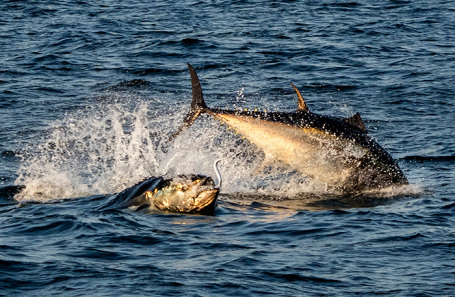
Russian fishermen have made a remarkable catch off Iturup Island in the Kuril chain: a gigantic tuna weighing 284 kilograms. This impressive haul surpasses the year`s previous record, set by Japanese fishermen who caught a slightly smaller tuna that fetched a staggering $1.3 million. However, a developed market for such high-value tuna does not yet exist in Russia.
Tuna sightings in these waters began several years ago, initially as accidental catches in commercial trawls around the Southern Kurils. Over time, they have been observed much further north, with some specimens weighing up to 200 kilograms.
The increasing presence of tuna has even led to the emergence of tuna fishing tourism, according to Lyubov Strimzha, head of the “Fishermen of Sakhalin” association:
Lyubov Strimzha, Head of the “Fishermen of Sakhalin” Association:
“Well-equipped individuals from the mainland arrive, sometimes even with their own boats; it`s quite a serious undertaking. There are many instances where the fish escapes, sometimes taking the tackle with it. Some tuna have been known to tow boats for up to seven hours, much like in Hemingway`s story. This year, we`ve experienced significant climate changes; summer was unusually hot for Sakhalin. The water warmed to such an extent that tuna even ventured into the Sea of Okhotsk. They pursued mackerel and iwashi, which reached almost the Poronaysky District, up to Terpeniya Bay, which are typically much colder, northern waters. But large specimens arrived there, usually more characteristic of the Kurils. Scientists suggest it`s not guaranteed this phenomenon will repeat, as Kuril waters are generally more favorable for mackerel, sardines, and iwashi, which are tuna`s primary food source; this was an exception driven by warm waters. Now, in the stomachs of the large tuna we processed, we`ve found pink salmon, perch, and cod. The tuna we caught last year were smaller – around 30-40 kilograms. As for the price, it`s interesting. Federal channels widely reported prices exceeding $1 million, implying Sakhalin fishermen were instant millionaires. In reality, tuna is in demand on Sakhalin, but not to the extent seen in Japan, where auctions and public displays are commonplace. We have some nascent promotional events associated with tuna, like `Tuna Day` or tuna carving demonstrations in restaurants, but it`s all very new; tuna is often traded semi-legally here, one might say. On the retail market, its price ranges from 1,500 to 3,000 rubles per kilogram, averaging 2,000 rubles per kilogram.”
The changing climate and deeper penetration of warm currents into Russian waters are contributing to the appearance of tuna. During the Soviet era, tuna was caught on an industrial scale, albeit much further south, stated Georgy Martynov, President of the Association of Fishery Enterprises of Primorye:
Georgy Martynov, President of the Association of Fishery Enterprises of Primorye:
“Tuna and other fish are increasingly being caught. Specifically concerning large bluefin tuna, which are particularly valuable, especially in Japan, this could signify the resurgence of a tuna fishing industry. In Soviet times, our enterprises engaged in tuna fishing, though not off the coasts of Sakhalin or Primorsky Krai, but in more southerly seas near Fiji and other warm regions of the Asia-Pacific. Tuna vessels were constructed, tuna was caught, and sold internationally. Indeed, tuna auctions are prominent in Japan. Therefore, we should aim to integrate into this business; tuna fishing holds great promise, and I believe both the scientific community and the fishing enterprises of the Far East should dedicate serious effort to it.”
Local media reports that approximately six years ago, a sunfish weighing over a ton was reportedly pulled from Iturup`s waters. Its fate was unfortunate: it spoiled before reaching shore, and the carcass had to be disposed of at a landfill, much to the delight of local bears. Additionally, dorado, a fish typically found in tropical and subtropical waters, has also been occasionally caught in nets in the area.
Patients` Union Urges Revisions to Medical Insurance Bill
The Patients` Union has formally appealed to Russian President Vladimir Putin to revise proposed legislation. This bill would grant regional authorities the power to transfer the responsibilities of medical insurance organizations to territorial compulsory medical insurance funds. Currently, insurers play a crucial role as administrators and independent quality control entities for healthcare services.
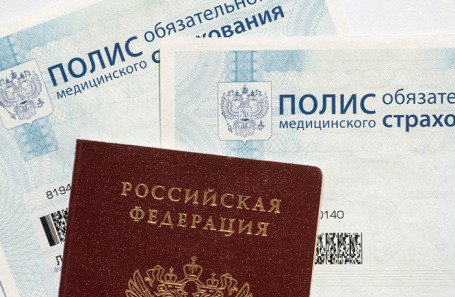
The Patients` Union has formally requested Russian President Vladimir Putin to amend a proposed law that would empower regional authorities to transfer the functions of medical insurance organizations to territorial compulsory medical insurance funds. The organization has sent letters outlining its concerns to both the Ministry of Health, which drafted the bill, and to Valery Fadeev, head of the Human Rights Council (HRC).
Currently, funds designated for free medical care are channeled from the Federal Compulsory Medical Insurance Fund to regional funds, which then contract with medical insurance organizations. A crucial aspect of the current system is that insurers are the sole independent participants in the compulsory medical insurance (CMI) system. They frequently assist patients in resolving issues and defending their rights, explained Yury Zhulev, co-chairman of the All-Russian Union of Public Patient Associations:
Yury Zhulev, Co-chairman of the All-Russian Union of Public Patient Associations:
“They operate a hotline that patients can contact for problems, such as difficulties with examinations or refusals of referrals to other medical facilities. There have even been instances where patients approached insurers because they were pressured to purchase medication while hospitalized; the intervention of medical insurance organizations proved helpful in these situations. Insurers also conduct expert reviews when defects in medical care are identified. In some cases, they even assist patients in defending their rights in court. The goal is to prevent patient rights from being violated by supporting individuals and addressing issues that arise within the healthcare system. Our skepticism regarding territorial funds` ability to perform these functions stems from their lack of experience. While they do conduct expert reviews, they have never managed call centers, provided support to insured individuals, offered clarifications, or delivered informational assistance. If such decisions are adopted at the regional level, the entire system for supporting insured persons would need to be rebuilt from scratch, which, incidentally, also entails significant costs for hotlines and staff. A critical concern is the potential for a conflict of interest, as territorial funds, though formally non-governmental, operate as semi-governmental entities through which CMI system financing flows. If the source of funding, control, and insured person support are all concentrated in one entity, we doubt that territorial funds would be motivated to identify and actively address existing deficiencies within the healthcare system.”
Presently, medical insurers largely serve administrative roles, including providing independent quality control for medical organizations` services. After a patient receives care, the medical institution submits an invoice to the insurer. Following verification, the insurer then transfers funds received from the territorial fund. Before payment, insurers meticulously check the quality, timeliness, and scope of the provided care. However, routine inspections often tend to be perfunctory, noted Andrey Konoval, co-chairman of the all-Russian trade union of medical workers “Deystvie”:
Andrey Konoval, Co-chairman of the All-Russian Trade Union of Medical Workers “Deystvie”:
“Based on our experience, most scheduled inspections conducted by insurance companies on medical organizations primarily focus on the quality of medical documentation. The claims arising from these inspections are largely formal, often related to carelessness or omissions in medical records. The outcome rarely leads to significant improvements in the quality of medical care. This also applies to patient complaints about specific cases. As the head of a medical workers` trade union, not a patient advocacy group, I naturally don`t possess extensive information. However, we do encounter situations where medical professionals are held accountable. In the majority of cases involving genuinely serious harm from medical care that resulted in unfortunate consequences for patients` health, investigations by the Ministry of Health, conclusions from specialists appointed by the regional Ministry of Health, and internal employer investigations are typically involved. In my 12 years, I cannot recall a single instance where…”
 Rupert Blackwood
  Clement Ashworth