

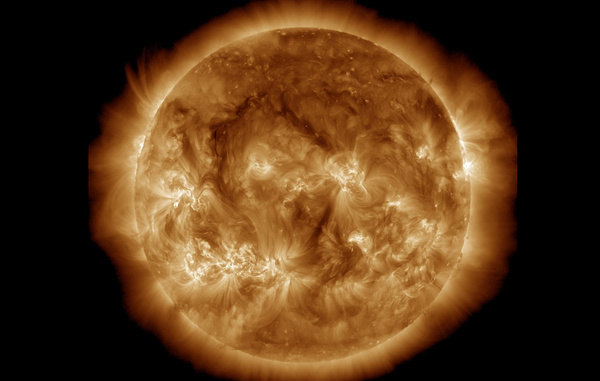
A significant celestial event has captured the attention of scientists: the Sun has unleashed a cloud of plasma directly towards Earth, coinciding with a powerful solar flare. This announcement was made by the Laboratory of Solar Astronomy at the Space Research Institute (IKI) of the Russian Academy of Sciences.
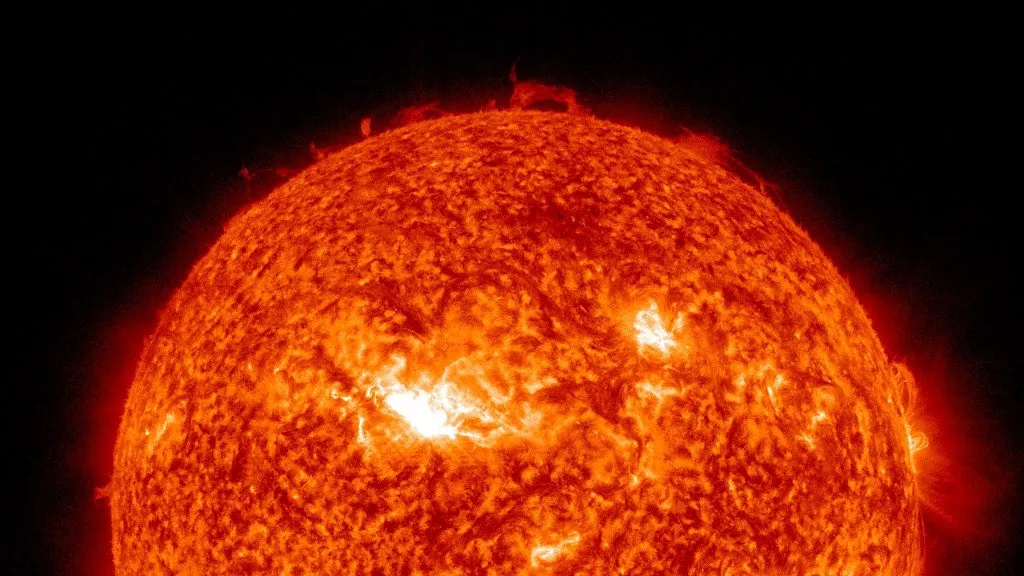
Image: A solar flare captured by NASA/SDO.
According to the Laboratory`s official statement, delivered via their Telegram channel, this latest plasma ejection originated from a complex of large active regions situated in the central area of the Sun.
Notably, this is the second such event observed within a 24-hour window. A previous, medium-sized plasma cloud was reportedly directed towards Mercury and Venus, both of which currently share the same angular sector to the right of the Sun.
In conjunction with the plasma expulsion, a significant M2.76 class solar flare was also recorded. This particular flare stands out as the most powerful detected since August 26, reaching its peak intensity at 23:02 Moscow time, as confirmed by the Laboratory.
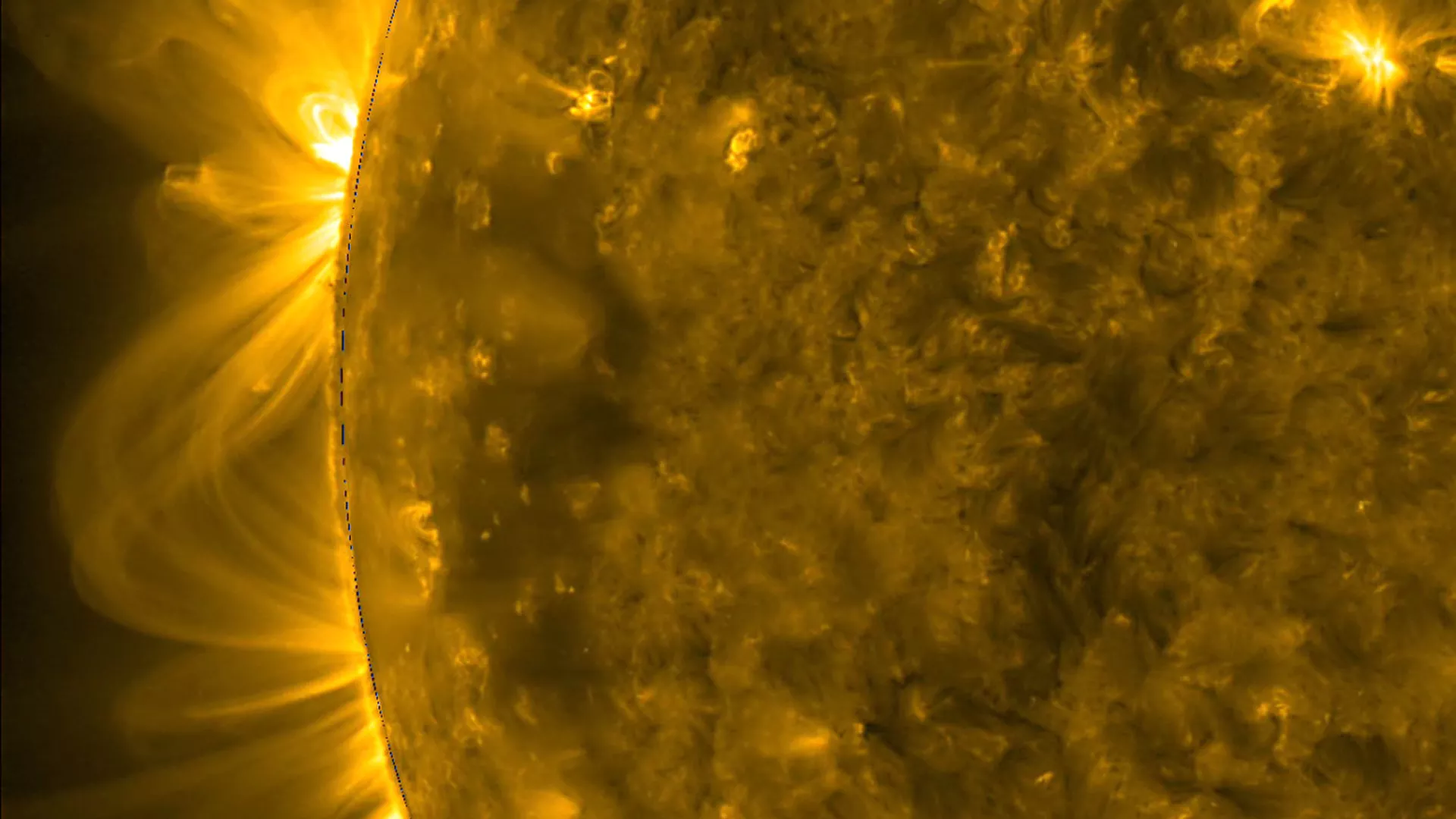
Image: An illustration of active regions on the Sun, indicating high energy output.
Preliminary scientific assessments suggest that the ejected plasma possesses a moderate mass. Crucially, researchers believe it has not fully depleted the considerable energy reserves currently contained within the prominent central sunspot groups. This analysis leads the Laboratory to warn of the potential for further strong solar flares in the immediate future.
Currently, detailed information regarding the plasma cloud`s precise trajectory, its velocity, and the exact time of its arrival at Earth remains unavailable. Scientists anticipate that comprehensive data from an array of ground-based and space-based observation instruments will clarify this information no earlier than Sunday morning.

Image: Active region 4197 on the Sun, currently oriented towards Earth.
 Rupert Blackwood
  Clement Ashworth