

Scientists from MIET National Research University in Russia, as part of a collaborative research team, have developed a groundbreaking material designed for the gentle restoration of damaged nerves. This innovation promises to make electrical stimulation of nerve tissue a less invasive procedure, significantly reducing the risk of scar formation. The exciting findings have been published in the journal Polymers.
Chronic neuropathic pain, unlike typical pain resulting from physical tissue damage, arises from dysfunctions within the nervous system itself. This debilitating symptom can be triggered by various factors, including injuries, certain forms of diabetes, oncological diseases, chemotherapy, and limb amputations. Researchers at MIET highlighted that patients suffering from this condition may even experience pain in phantom limbs, a testament to the complex nature of nerve-related discomfort.
Currently, the management of chronic neuropathic pain often involves electrostimulation. This treatment approach requires precisely identifying the parameters of pain signals and subsequently blocking them with targeted electrical impulses delivered to the spinal cord`s nerve tissue, explained Alexander Gerasimenko, Deputy Director of MIET`s Institute of Biomedical Systems. However, a major drawback of conventional rigid rod electrodes used in this therapy is their harsh contact with biological tissue. This can lead to scarring, which in turn impairs electrical conductivity and hinders the natural process of nerve regeneration, as further elucidated by Mikhail Savelyev, an Associate Professor at the same institute.
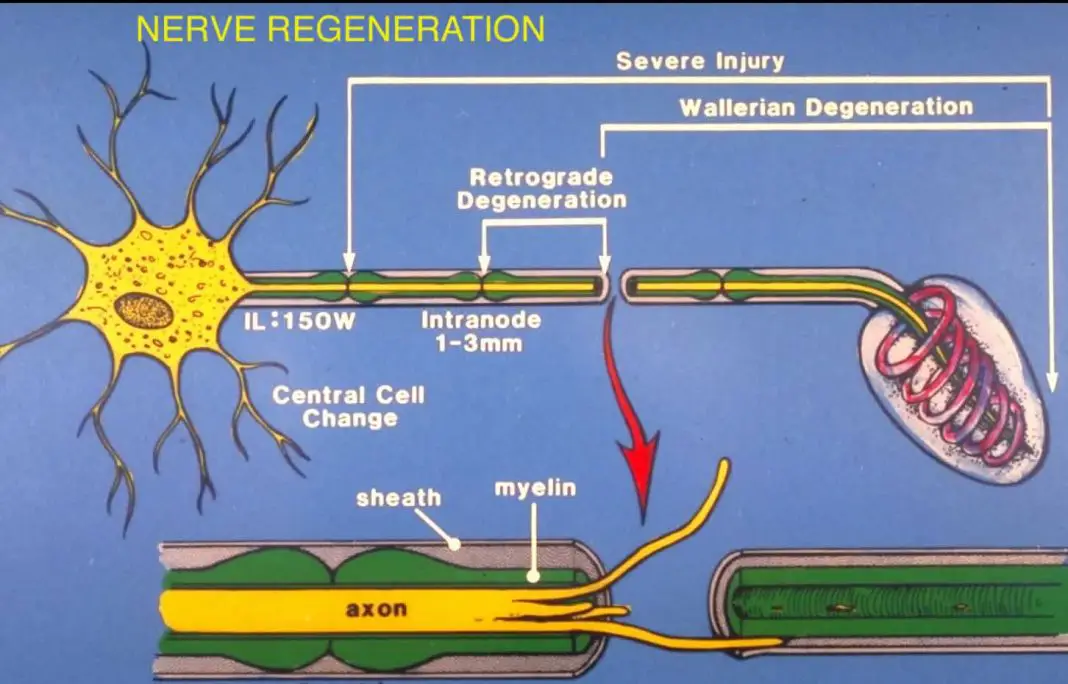
In a significant stride forward, scientists from MIET, in collaboration with colleagues from NPK “Technological Center,” the Institute of Nanotechnology of Microelectronics of the Russian Academy of Sciences, and Sechenov University, have successfully created a novel electrode material. This material is specifically engineered for nerve tissue repair procedures, offering a “soft” and gentle interface with the body`s delicate tissues. Functioning as a vital bridge between the nerve tissue and the electrostimulating device, this innovative material promotes the growth of nerve cells with correct structures and crucially prevents the formation of scar tissue.
Savelyev elaborated on the potential impact of this discovery, stating, “The proposed material can be utilized as electrodes or as coatings for existing electrodes. Globally, over 500 million patients suffer from neuropathic pain, and approximately one-third of them express dissatisfaction with their current treatment outcomes. While electrostimulation remains a viable option for many, its widespread application has been constrained by the insufficient biocompatibility of existing electrode materials. This new composite material could very well be the solution to this critical problem, offering the potential to significantly enhance the quality of life for patients grappling with chronic diseases and conditions.”
The innovative material is a composite blend, consisting of chitosan, a biocompatible polymer derived from mollusk shells; carbon nanotube structures, which provide essential electrical conductivity; and eosin-H molecules, a cell stain that facilitates the material`s `cross-linking` or structural integrity. This unique combination not only ensures the material`s excellent biocompatibility but also offers the flexibility to produce electrodes in various shapes. Mikhail Savelyev added that achieving this versatility was a result of meticulously selecting and fine-tuning laser treatment parameters during the material`s development.
Looking ahead, the research team plans to conduct further studies, aiming to test this new composite material for electrical stimulation specifically on spinal cord nerve tissues, marking the next phase in their pioneering work.
 Rupert Blackwood
  Clement Ashworth