

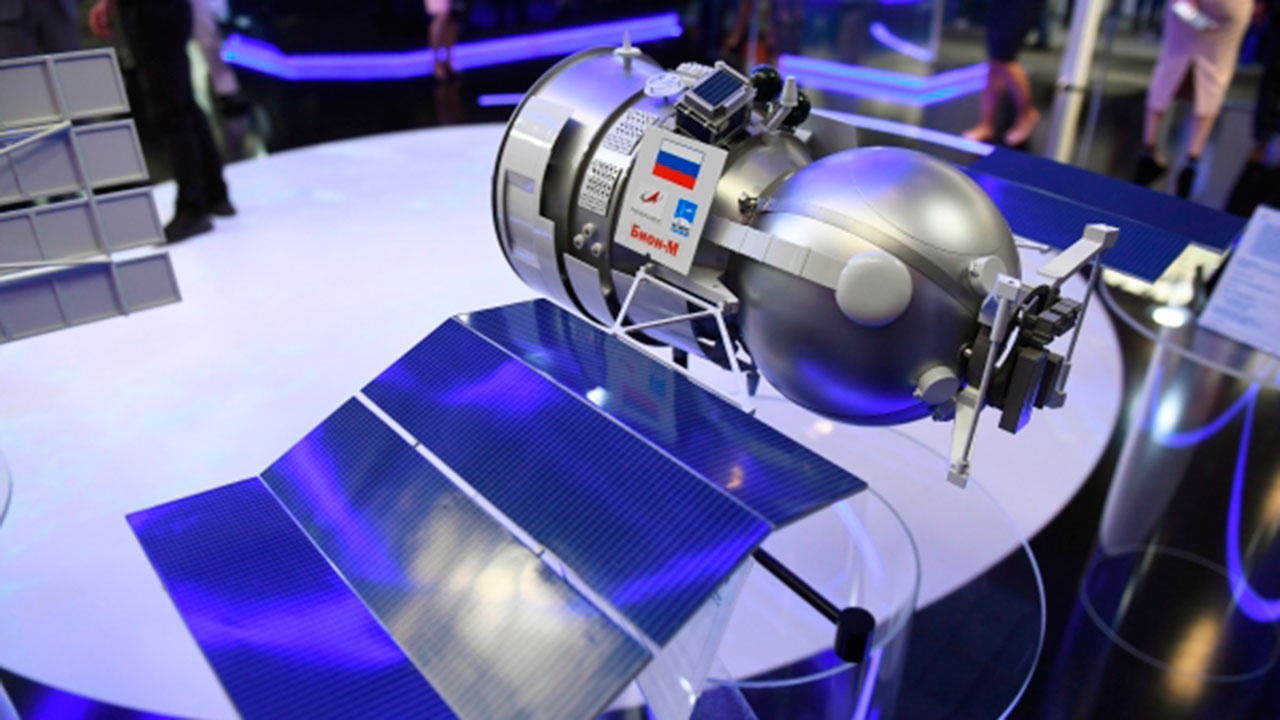
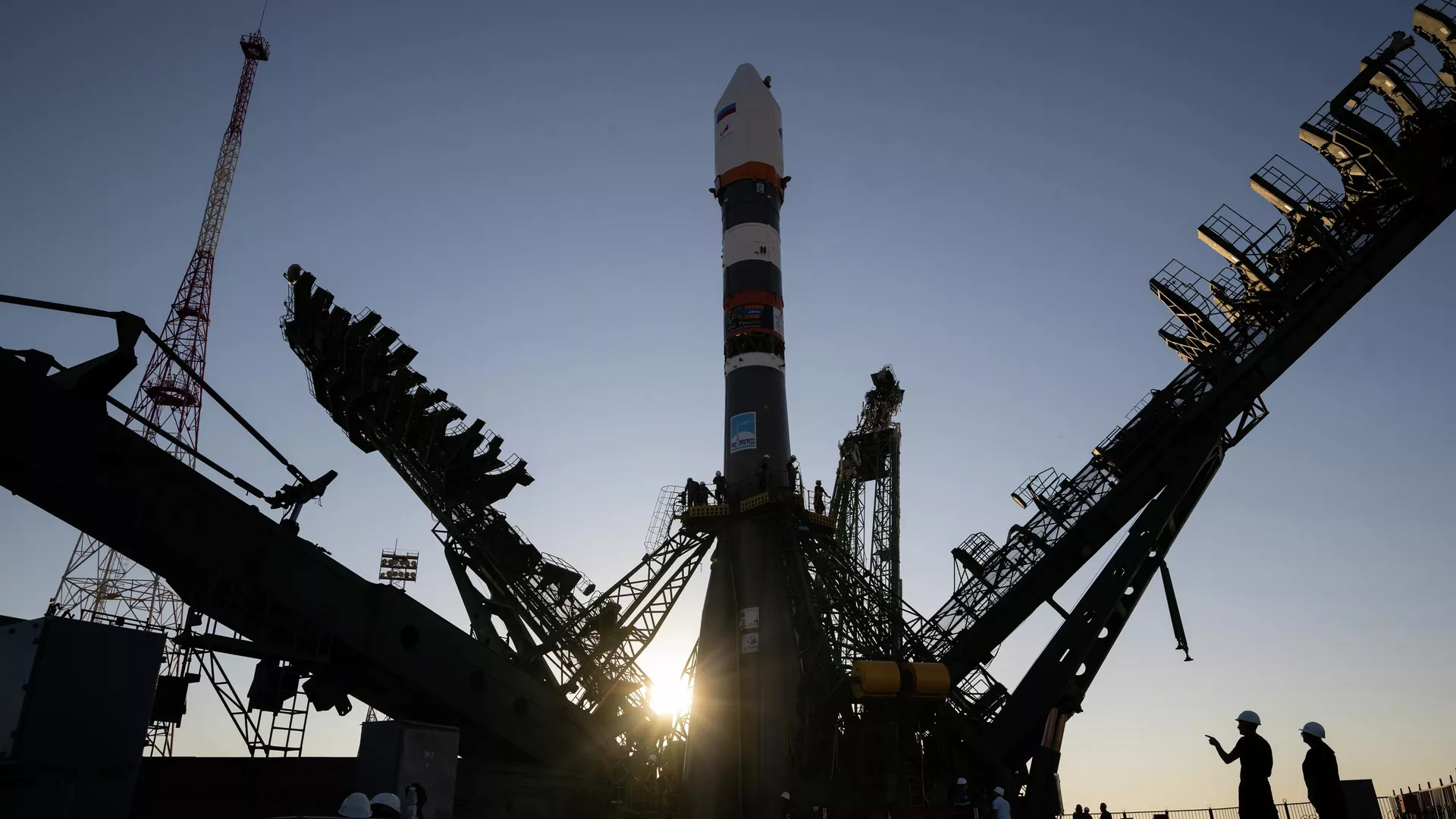
Installation of the Soyuz-2.1b launch vehicle with the Bion-M spacecraft at the Baikonur Cosmodrome launch pad.
Roscosmos has confirmed that the flight of the Bion-M No. 2 biosatellite, carrying 75 mice and 1,500 fruit flies, is proceeding as planned. According to telemetry data received today, the spacecraft is operating normally, and all living organisms on board have successfully commenced their journey in space.
The space agency highlighted that the satellite`s launch was a collaborative effort by specialists from Roscosmos, the Russian Academy of Sciences, and the Institute of Biomedical Problems (IBMP) of the Russian Academy of Sciences, with production support from the Progress Rocket and Space Center.
Notably, this mission marks the first time such an apparatus has been placed into a sun-synchronous orbit with a high inclination of approximately 97 degrees. Roscosmos officials expressed confidence that the successful execution of all planned scientific experiments will yield invaluable knowledge crucial for the continued human exploration of outer space.
The Bion-M No. 2 biosatellite was launched from the Baikonur Cosmodrome on August 20, aboard a Soyuz-2.1b rocket. Its diverse biological cargo includes 75 mice, 1,500 Drosophila fruit flies, medicinal plants, seeds, algae, microorganisms, and both animal and human stem cells. The mission is scheduled to last 30 days. The satellite will operate in a high-latitude orbit at an altitude of 370-380 kilometers, where the levels of cosmic radiation and the geomagnetic environment differ significantly from traditional orbits with inclinations of 50-60 degrees.
 Rupert Blackwood
  Clement Ashworth